Houses for sale in florida offer a diverse array of opportunities, catering to a wide spectrum of preferences and investment goals. From the vibrant energy of South Florida’s coastal cities to the serene landscapes of the Panhandle, the Sunshine State presents a rich tapestry of residential choices. This exploration delves into the varied property types, market dynamics, lifestyle benefits, and practical considerations that define the Florida real estate market, providing a comprehensive guide for prospective buyers and investors alike.
This comprehensive overview will navigate you through the distinct regional property landscapes, the crucial financial aspects, the appealing lifestyle benefits, and the essential steps involved in acquiring a home in Florida. We will also touch upon the future outlook and investment potential, ensuring you have a well-rounded understanding of what it means to own a piece of paradise.
Uncover the diverse residential property landscapes across Florida’s distinct regions.
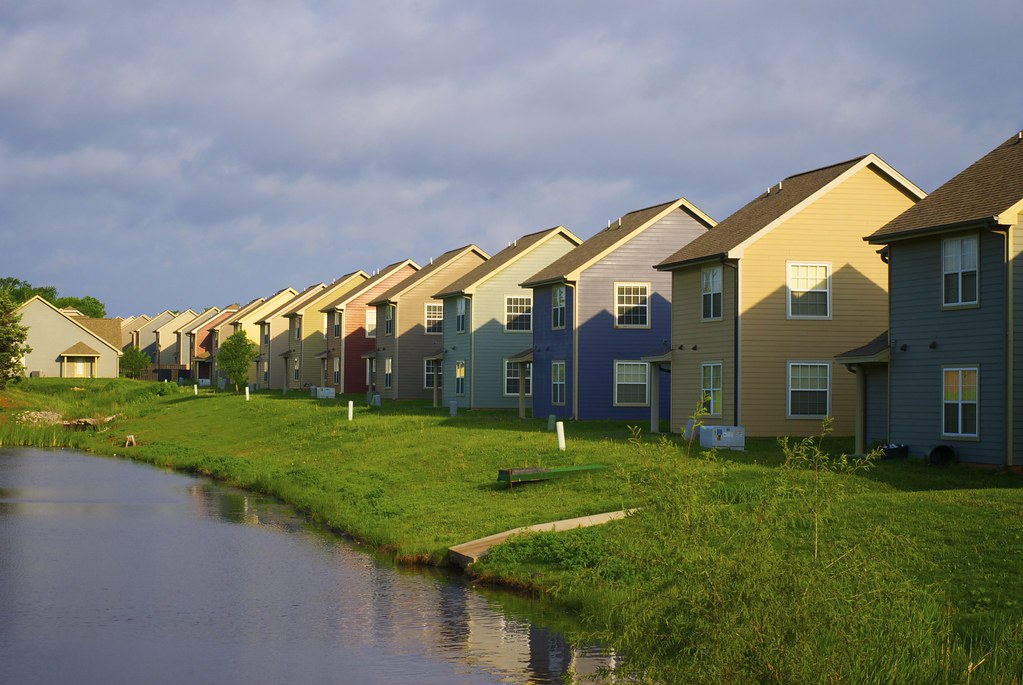
Florida, a state renowned for its sunshine and vibrant lifestyle, offers an astonishing array of residential properties that cater to every taste and need. From the bustling metropolises of the south to the historic charm of the north and the recreational allure of the center, each region presents a unique tapestry of housing options. Understanding these regional differences is key for anyone looking to invest in or relocate to the Sunshine State.
This exploration will delve into the varied property types, architectural styles, and the distinct lifestyles they embody, providing a comprehensive overview of Florida’s real estate panorama.
South Florida Residential Property Types
South Florida, a region synonymous with luxury, dynamic urban living, and breathtaking coastal access, boasts a diverse range of residential property types. The allure of the ocean is paramount here, leading to a high demand for coastal condominiums. These units, ranging from modest studios to expansive penthouses, often feature stunning ocean or Intracoastal Waterway views, resort-style amenities such as swimming pools, fitness centers, and concierge services, and provide a low-maintenance lifestyle perfect for those who travel frequently or prefer to delegate property upkeep.
Obtain direct knowledge about the efficiency of Houses for Sale in Dominican Republic through case studies.
For those seeking more space and privacy, waterfront estates are a significant offering. These grand residences, often situated on canals, bays, or the ocean itself, provide direct access to boating and water sports, featuring private docks, expansive grounds, and luxurious finishes. The lifestyle associated with these properties is one of exclusivity and unparalleled connection to the marine environment. In contrast, the burgeoning urban centers like Miami, Fort Lauderdale, and West Palm Beach are experiencing a surge in modern urban apartments and lofts.
These properties are ideal for professionals and individuals who thrive in a fast-paced environment, offering proximity to cultural attractions, dining, entertainment, and business districts. They often feature contemporary designs, smart home technology, and community amenities that foster social interaction. Beyond these prominent categories, South Florida also offers charming single-family homes in established neighborhoods, townhouses providing a blend of space and community living, and even unique properties like stilt homes in flood-prone areas, showcasing the adaptability of housing to the region’s geography and climate.
The common thread is the pursuit of a lifestyle that embraces the warm climate, outdoor activities, and a sense of sophisticated living, whether that’s on the sandy shores, alongside a tranquil waterway, or in the heart of a vibrant city. The demand for these varied property types is consistently driven by both domestic and international buyers attracted to the economic opportunities, recreational pursuits, and the quintessential South Florida lifestyle.
Central Florida Housing Options
Central Florida, often recognized as the entertainment capital of the world, presents a compelling mix of housing options that appeal to a broad spectrum of buyers, from families seeking stability to investors capitalizing on the tourism boom. The suburban landscape is particularly well-developed, offering an abundance of family-friendly suburban homes. These properties typically feature multiple bedrooms, spacious yards, and are situated within communities that boast excellent school districts, parks, and recreational facilities.
Finish your research with information from homes mobile homes.
The lifestyle here is centered around community, convenience, and providing a nurturing environment for families. Many of these neighborhoods are designed with pedestrian-friendly streets and shared green spaces, fostering a strong sense of belonging. Orlando, the region’s most prominent city, is also a hub for vacation properties. These can range from condominiums and townhouses within resort complexes offering amenities like water parks and golf courses, to larger single-family homes designed for short-term rentals.
The appeal lies in the potential for passive income and the ability to enjoy a vacation home when not rented out, all while being immersed in the magic of world-class theme parks and attractions. The lifestyle is dynamic and often involves a blend of personal enjoyment and investment. For those seeking a more tranquil existence, Central Florida also offers extensive rural acreage.
These properties provide ample space for those who desire privacy, wish to pursue agricultural interests, or simply enjoy a connection with nature. They can range from sprawling ranches to smaller parcels suitable for building custom homes away from the hustle and bustle. The lifestyle here is characterized by peace, quiet, and the freedom to develop one’s own space. The region’s growth has also led to the development of master-planned communities that integrate residential, commercial, and recreational elements, offering a comprehensive living experience.
The diversity in Central Florida’s housing market ensures that individuals and families can find a property that aligns with their financial goals, lifestyle preferences, and long-term aspirations, all within a region celebrated for its sunshine, attractions, and growing economic opportunities. The strategic location, coupled with its status as a major tourist destination, continues to fuel demand across all segments of the Central Florida housing market.
North Florida Residences
North Florida, a region steeped in history and characterized by a more temperate climate than its southern counterpart, offers a distinct set of residential property types that reflect its unique heritage and ongoing development. Charming historic towns, such as St. Augustine, the oldest continuously inhabited European-established settlement in the United States, and Pensacola, with its antebellum architecture, are home to a wealth of historic homes.
These residences often feature intricate architectural details from eras like Victorian, Colonial Revival, and Queen Anne styles. Owning such a property comes with the allure of living amidst history, often with mature landscaping and unique character, though it may also require dedicated maintenance to preserve their original charm. The lifestyle in these areas is often slower-paced, emphasizing community, local traditions, and a deep appreciation for the past.
In contrast, the rapidly growing cities of North Florida, including Jacksonville, Tallahassee, and Gainesville, are witnessing a significant influx of modern single-family dwellings. These homes are typically built with contemporary designs, energy-efficient features, and cater to the needs of a growing population, including families and professionals. They are often located in master-planned communities or developing subdivisions that offer a range of amenities and convenient access to employment centers, shopping, and educational institutions.
The lifestyle here is more aligned with modern conveniences, accessibility, and the opportunities presented by a thriving economy. Beyond these, North Florida also features a variety of coastal properties along its extensive Atlantic and Gulf coastlines, offering beach houses and waterfront residences that provide a more relaxed, seaside lifestyle. Inland, equestrian properties and larger land parcels are available for those seeking space and a connection to the rural landscape.
The region’s diverse geography, from rolling hills and pine forests to sandy beaches, influences the types of residences available and the lifestyles they support. North Florida presents a compelling proposition for those who appreciate a blend of historical significance, natural beauty, and the promise of future growth, all within a setting that offers a distinct cultural identity and a more relaxed pace of life compared to the southern regions of the state.
Florida Panhandle Properties
The Florida Panhandle, stretching along the northern Gulf Coast, is renowned for its stunning sugar-white sand beaches and emerald waters, which heavily influence its property market. Beach houses are a quintessential feature of this region, ranging from charming, rustic cottages perfect for a laid-back coastal retreat to luxurious, multi-story residences offering panoramic ocean views and direct beach access. These properties are highly sought after by those who dream of waking up to the sound of the waves and enjoying a lifestyle centered around sun, sand, and water sports.
The appeal is undeniably tied to the vacation and recreational opportunities, making them attractive for both primary residences and investment properties. Townhomes are also a prevalent and popular housing option throughout the Panhandle, particularly in popular beach communities and growing urban centers like Pensacola and Panama City Beach. These offer a balance between the space of a single-family home and the convenience of a condominium, often featuring shared amenities such as community pools, fitness centers, and maintenance services.
Townhomes provide a more manageable approach to coastal living, appealing to a wide range of buyers, including retirees, young professionals, and families. Beyond the immediate coast, the Panhandle offers secluded properties that provide a sense of privacy and tranquility. These can include expansive land parcels, homes nestled within mature forests, or properties situated on bays and bayous, offering a more intimate connection with nature.
This type of residence appeals to those seeking an escape from the crowds, a place to enjoy outdoor activities like fishing and hunting, or simply a peaceful sanctuary. The architectural styles in the Panhandle often reflect the coastal environment, with designs that maximize natural light and airflow, incorporating elements like large windows, screened porches, and elevated foundations in flood-prone areas.
The overall character of Panhandle properties is deeply intertwined with its natural beauty, offering a lifestyle that embraces the outdoors, relaxation, and the unique charm of the Gulf Coast.
Unique Florida Housing Architectural Styles
Florida’s diverse geography, climate, and rich cultural history have given rise to a fascinating array of unique architectural styles that define its residential landscape. These styles not only contribute to the aesthetic appeal of the state but also reflect practical considerations for living in a subtropical environment.
- Mediterranean Revival: This style, heavily influenced by Spanish colonial architecture, gained immense popularity in Florida during the early 20th century, particularly in cities like Coral Gables and Palm Beach. Key visual elements include red tile roofs, stucco exteriors, arched doorways and windows, wrought-iron details, and often decorative tile work. Courtyards and fountains are common features, creating a sense of enclosed tranquility and shade.
This style is well-suited to Florida’s climate, offering a sense of coolness and elegance.
- Mid-Century Modern: Flourishing from the 1940s to the 1960s, Mid-Century Modern architecture in Florida emphasizes clean lines, open floor plans, and a seamless integration with the surrounding landscape. Characteristics include low-pitched roofs, large windows, sliding glass doors, and the use of natural materials like wood and stone. Homes often feature carports rather than garages and incorporate elements like geometric patterns and vibrant color accents.
This style promotes a relaxed, indoor-outdoor living experience that is ideal for Florida’s warm weather.
- Coastal Contemporary: A more recent and increasingly popular style, Coastal Contemporary architecture embraces simplicity, functionality, and a strong connection to the ocean. These homes often feature light, airy interiors, expansive windows to capture ocean views, and natural materials like wood, stone, and glass. Open-concept living spaces, high ceilings, and outdoor living areas such as covered patios and balconies are hallmarks of this style.
The color palettes are typically inspired by the sea, featuring whites, blues, and sandy neutrals, creating a serene and sophisticated beachside aesthetic.
- Bungalow: Particularly prevalent in older neighborhoods across Florida, bungalows are characterized by their cozy, single-story design, low-pitched roofs, and often a prominent front porch. They typically feature a simple, functional layout, with living spaces flowing from a central living room. Materials like wood shingles and brick are common. These homes evoke a sense of charm and neighborliness, perfect for walkable communities.
- Vernacular/Tropical Modern: This broad category encompasses designs that are deeply responsive to the local climate and environment. Features often include deep overhangs to provide shade, large operable windows and doors to maximize cross-ventilation, raised foundations to mitigate flooding and improve airflow, and the use of local, sustainable materials. The focus is on passive cooling and creating comfortable living spaces that are inherently suited to the tropical conditions of Florida.
These architectural styles not only contribute to the visual identity of different Florida regions but also offer insights into the historical development and lifestyle preferences of their inhabitants.
Critical Financial Considerations and Market Dynamics Influencing Florida Home Purchases

Navigating the Florida real estate market requires a keen understanding of its financial underpinnings and prevailing market dynamics. Prospective buyers must arm themselves with knowledge about pricing trends, the often-overlooked closing costs, the current interest rate environment, the impact of property taxes, and the essential, yet potentially costly, realm of homeowners insurance. These elements collectively shape the affordability and feasibility of homeownership across the Sunshine State.
Average Price Ranges and Trends for Florida Homes
The average price ranges for residential properties in Florida exhibit considerable variation across its major metropolitan areas, reflecting diverse local economies, desirability, and inventory levels. These figures are not static; they are influenced by a multitude of factors, including seasonal demand, economic growth, population influx, and broader national housing trends. Understanding these ranges and their trajectory is fundamental for setting realistic budgets and making informed purchasing decisions.In the bustling South Florida region, encompassing areas like Miami-Dade, Broward, and Palm Beach counties, single-family homes typically command the highest prices.
For instance, median prices for single-family homes can frequently be found in the $600,000 to over $1 million range, with luxury markets in cities like Miami Beach and Palm Beach pushing these figures significantly higher. Townhouses and condominiums in these desirable coastal areas also represent substantial investments, with median prices often ranging from $400,000 to $700,000, depending on the specific location, amenities, and proximity to the ocean or urban centers.Central Florida, particularly the Orlando metropolitan area and its surrounding counties, offers a slightly more accessible price point for single-family homes, with median prices often falling between $400,000 and $600,000.
However, this region is experiencing rapid growth, leading to consistent price appreciation. Townhouses and condominiums in Orlando and its popular tourist-adjacent areas typically range from $300,000 to $500,000.Further north, the Tampa Bay area, including cities like Tampa, St. Petersburg, and Clearwater, presents a competitive market. Single-family homes here often see median prices in the $450,000 to $650,000 range. Condominiums and townhouses in desirable waterfront or downtown locations can range from $350,000 to $550,000.The trend across most of Florida has been one of sustained price growth over the past several years, driven by strong demand, limited inventory, and favorable demographic shifts.
While the pace of appreciation may fluctuate, the general upward trend in average prices is a significant market dynamic that buyers must consider. For example, areas that were once considered more affordable are now seeing prices rise at a faster rate as demand spreads. This necessitates a careful evaluation of current market data and future projections when considering a purchase.
Typical Closing Costs in Florida
The process of purchasing a home in Florida involves a series of expenses beyond the down payment and the mortgage principal, collectively known as closing costs. These costs are essential to finalize the transaction and transfer ownership, and they can represent a significant portion of the overall home buying budget, often ranging from 2% to 5% of the loan amount.
Understanding these fees upfront is crucial for financial planning and avoiding surprises.A substantial component of closing costs is related to title services. This includes title insurance, which protects both the buyer and the lender against any future claims on the property’s title. The premium for owner’s title insurance is typically a one-time fee paid at closing. Lender’s title insurance is also required if you are obtaining a mortgage.
Another related fee is the title search, where a title company examines public records to ensure the seller has clear ownership and to identify any liens or encumbrances on the property. Escrow fees are also a standard closing cost. These fees are paid to the escrow or title company for their services in managing the closing process, holding funds, and ensuring all conditions of the sale are met before disbursing payments and transferring the deed.
This service provides a neutral third party to facilitate the transaction. Recording charges are fees levied by the county government to officially record the new deed and mortgage in the public records. This ensures the transaction is legally recognized and provides public notice of ownership. The amount of these fees varies by county but is generally a modest sum.Other common closing costs include loan origination fees charged by the lender for processing the mortgage application, appraisal fees to determine the property’s market value, survey fees to confirm property boundaries, and prepaid items such as property taxes and homeowners insurance premiums, which are often collected by the lender to establish an escrow account.
Homeowners association (HOA) fees, if applicable, will also be prorated and collected at closing. For example, a buyer purchasing a $400,000 home with a 20% down payment might expect closing costs to fall between $8,000 and $20,000, depending on the specific fees and services involved.
Current Mortgage Interest Rate Trends and Affordability Impact
Mortgage interest rates are a pivotal factor influencing the affordability of homes in Florida. They directly impact the monthly mortgage payment and the total interest paid over the life of the loan, significantly affecting a buyer’s purchasing power. Recent trends in interest rates, often influenced by Federal Reserve policy, inflation, and economic outlook, can either expand or contract the pool of potential buyers and the types of homes they can realistically afford.In recent periods, Florida, like the rest of the nation, has experienced fluctuations in mortgage interest rates.
While rates were historically low for an extended period, they have since trended upward, driven by efforts to curb inflation. This increase means that for the same loan amount, monthly payments are higher. For instance, a buyer looking to finance $300,000 on a 30-year mortgage at 3% interest would have a principal and interest payment of approximately $1,265. However, if that rate climbs to 6%, the monthly payment for the same $300,000 loan increases to approximately $1,799.
This $534 difference per month can drastically alter a buyer’s budget and the price range of homes they can consider.The impact on affordability is profound. As rates rise, a buyer’s pre-approved loan amount may decrease, forcing them to look at less expensive properties, increase their down payment, or delay their purchase. Conversely, periods of declining interest rates can boost demand and prices as more buyers can qualify for larger loans and afford higher-priced homes.
For first-time homebuyers in Florida, who may have tighter budgets, even a small increase in interest rates can mean the difference between affording a home and being priced out of a particular market segment. For example, a buyer pre-approved for $350,000 at 4% might now only qualify for $300,000 at 6%, significantly limiting their options in many Florida metropolitan areas.
Lenders often offer various mortgage products, including fixed-rate and adjustable-rate mortgages (ARMs), each with different implications for long-term costs and risk. Understanding these options and how current rate trends affect them is paramount.
The Role of Property Taxes in Florida
Property taxes are a significant ongoing expense for Florida homeowners, contributing to local government services such as schools, public safety, and infrastructure. The amount of property tax levied is determined by the property’s assessed value, the millage rate set by local taxing authorities, and any applicable exemptions. These taxes can vary substantially from one county and municipality to another, making it essential for buyers to research the specific tax burden in their desired location.In Florida, property taxes are calculated by multiplying the taxable value of the property by the millage rate.
A mill is one-tenth of a cent, so a millage rate of 10 mills means $10 in tax for every $1,000 of taxable value. The taxable value is typically the assessed value minus any exemptions. Florida offers several homestead exemptions, which can significantly reduce the taxable value for primary residences. The most common is the general homestead exemption, which reduces taxable value by $25,000 for the first $75,000 of value and then by a percentage for value above that.
There are also additional homestead exemptions for seniors, veterans, and others.The millage rates themselves are set by various local entities, including county commissions, city councils, school boards, and special taxing districts. This means that two identical homes in adjacent counties or even different municipalities within the same county could have vastly different property tax bills. For instance, a homeowner in a county with a lower millage rate and robust homestead exemptions might pay $1,500 annually on a $300,000 home, while a similar home in a county with higher millage rates and fewer exemptions could face a tax bill of $3,000 or more.Consider a hypothetical scenario: a single-family home with a market value of $400,000.
Understand how the union of Home Bar Wall Decor Ideas can improve efficiency and productivity.
After applying a homestead exemption, the taxable value might be reduced to $350,000. If the combined millage rate in that county is 20 mills (or 0.020), the annual property tax would be $7,000 ($350,000 x 0.020). However, if the same home is in a county with a millage rate of 30 mills (or 0.030) and a similar taxable value, the annual tax would be $10,500 ($350,000 x 0.030).
This difference of $3,500 per year is a substantial financial consideration that can impact a buyer’s overall housing budget and the amount they can afford for their mortgage payment. Buyers should always inquire about the specific millage rates and expected property tax bills for any property they are considering.
Understanding Homeowners Insurance in Florida
Homeowners insurance in Florida is not merely an optional expense; it is a critical financial safeguard and often a mandatory requirement for mortgage lenders. Given Florida’s susceptibility to hurricanes, tropical storms, and other natural disasters, insurance premiums can be substantial, particularly in coastal zones. Understanding the essential coverage types and the factors influencing premium costs is vital for budgeting and protecting one’s investment.Standard homeowners insurance policies typically include several key types of coverage:
- Dwelling Coverage: This covers the physical structure of your home, including the walls, roof, foundation, and attached structures like garages.
- Other Structures Coverage: This covers detached structures on your property, such as sheds, fences, and guest houses.
- Personal Property Coverage: This protects your belongings inside the home, such as furniture, electronics, and clothing, up to a specified limit.
- Loss of Use Coverage: If your home becomes uninhabitable due to a covered event, this coverage helps pay for additional living expenses, like hotel stays and meals, while your home is being repaired.
- Liability Coverage: This protects you financially if someone is injured on your property and sues you, or if you accidentally cause damage to someone else’s property.
In Florida, specific endorsements or separate policies are often necessary to adequately cover perils like windstorms and hail, especially in hurricane-prone areas. Flood insurance, which is typically excluded from standard homeowners policies, is also a critical consideration for many Florida properties, particularly those in designated flood zones. The National Flood Insurance Program (NFIP) is the primary source for flood insurance, though private flood insurance options are also available.Several factors significantly influence homeowners insurance premium costs in Florida.
The property’s location is paramount; homes closer to the coast or in areas with a higher risk of hurricanes and flooding will command higher premiums. The age and construction of the home also play a role, with older homes or those built with less resilient materials potentially facing higher rates. The presence of safety features like updated roofs, storm shutters, and monitored alarm systems can sometimes lead to discounts.For example, a homeowner in inland Florida might pay an annual premium of $1,500 to $2,500 for a comprehensive homeowners policy.
However, a comparable home in a coastal area, subject to higher windstorm deductibles and potentially requiring separate flood insurance, could see annual premiums ranging from $3,000 to $6,000 or even more. The deductible for windstorm damage is often a percentage of the dwelling coverage, such as 1% to 5%, meaning a $500,000 home with a 5% wind deductible would require the homeowner to pay $25,000 out-of-pocket before insurance kicks in for a wind-related claim.
This highlights the importance of carefully reviewing policy details and obtaining multiple quotes.
Hypothetical Budget for a First-Time Homebuyer in Florida
Creating a realistic budget is the cornerstone of successful homeownership, especially for first-time buyers navigating the complexities of the Florida market. This hypothetical budget illustrates the interplay between the initial financial outlay, ongoing mortgage obligations, and recurring expenses, providing a tangible framework for financial preparedness.Let’s consider a first-time homebuyer aiming to purchase a modest single-family home in a mid-tier Florida metropolitan area, such as the outskirts of Tampa or Orlando, with a target purchase price of $350,000.
Initial Costs:
- Down Payment: Assuming a 10% down payment, this amounts to $35,000. For first-time buyers, various state and local programs may offer down payment assistance, potentially reducing this upfront requirement.
- Closing Costs: Estimated at 3% of the loan amount (which will be $315,000 after the down payment). Closing costs would be approximately $9,450. This includes title insurance, escrow fees, recording charges, appraisal, loan origination fees, and prepaid items.
- Estimated Initial Outlay: $35,000 (down payment) + $9,450 (closing costs) = $44,450.
Ongoing Monthly Expenses:
- Mortgage Payment (Principal & Interest): For a $315,000 loan at an assumed interest rate of 6.5% over 30 years, the estimated monthly principal and interest payment would be approximately $1,991. This figure can fluctuate based on actual interest rates and loan terms.
- Property Taxes: Assuming an annual property tax bill of $4,200 (based on a $350,000 home with average millage rates and homestead exemption), the monthly escrow portion for taxes would be $350 ($4,200 / 12).
- Homeowners Insurance: Estimating an annual premium of $2,000 for a policy that includes windstorm coverage but excludes flood insurance. The monthly escrow portion for insurance would be approximately $167 ($2,000 / 12).
- Private Mortgage Insurance (PMI): Since the down payment is less than 20%, PMI will likely be required. This could add an estimated $100 to $200 per month, let’s use $150 for this example.
- Homeowners Association (HOA) Fees (if applicable): Many communities have HOA fees. For this example, let’s assume a modest $50 per month for community maintenance.
Total Estimated Monthly Housing Payment (PITI + PMI + HOA): $1,991 (P&I) + $350 (Taxes) + $167 (Insurance) + $150 (PMI) + $50 (HOA) = $2,708.This hypothetical budget demonstrates that beyond the mortgage payment itself, a significant portion of the monthly housing cost is allocated to property taxes, homeowners insurance, and potentially PMI. Furthermore, buyers should also factor in potential costs for utilities, regular maintenance, and unexpected repairs, which can add several hundred dollars more to the overall monthly budget.
This comprehensive view is essential for a first-time buyer to ensure long-term financial stability and a positive homeownership experience in Florida.
Explore the lifestyle benefits and community aspects of living in various Florida locales.
Florida, a state renowned for its sunshine and diverse geography, offers a rich tapestry of lifestyles and community experiences. From the vibrant energy of its coastal cities to the tranquil charm of its inland towns, each region presents unique opportunities for residents to engage with their surroundings and build meaningful connections. Understanding these lifestyle benefits and community aspects is crucial when considering a move to the Sunshine State, as it directly impacts daily life, personal well-being, and overall satisfaction.
This exploration delves into the recreational pursuits, cultural offerings, family-centric amenities, retirement advantages, and the distinct social fabric that defines living in different Florida locales.
Recreational Activities and Outdoor Pursuits in Coastal Florida Communities
Coastal Florida is synonymous with an active, outdoor-centric lifestyle, offering an unparalleled array of recreational activities and pursuits that capitalize on its extensive shoreline and abundant waterways. For those who embrace the water, boating is not merely a hobby but a way of life. From the sprawling marinas of South Florida to the quieter inlets of the Panhandle, residents have access to everything from sophisticated yachts to nimble kayaks.
Sailing enthusiasts can harness the consistent breezes along the Atlantic coast, while powerboat owners can explore the intricate network of intracoastal waterways, discovering secluded coves and vibrant waterfront dining establishments. Fishing opportunities are equally diverse, catering to all levels of expertise. Deep-sea fishing charters venture into the Gulf Stream in pursuit of marlin and tuna, while inshore fishing provides excellent chances for snook, redfish, and tarpon in the mangrove-lined estuaries and shallow bays.
Surf fishing along the vast stretches of sandy beaches also offers a more relaxed, yet rewarding, angling experience. Beachcombing is another cherished pastime, with miles of pristine coastline yielding a treasure trove of seashells, unique driftwood, and other natural curiosities. Early morning or late afternoon strolls often reveal the most impressive finds, especially after a storm. Beyond these water-centric activities, the coastal regions boast numerous state and local parks offering hiking and biking trails with stunning ocean views.
Paddleboarding and kayaking through mangrove tunnels provide a serene way to observe local wildlife, including diverse bird species and marine life. The warm climate ensures that these outdoor pursuits are accessible year-round, fostering a healthy and active lifestyle for residents of all ages.
Cultural Attractions and Entertainment Options in Florida’s Major Cities
Florida’s major urban centers are dynamic hubs of culture and entertainment, offering a sophisticated array of attractions that rival those found in any major metropolitan area. These cities serve as vibrant canvases for artistic expression, historical exploration, and diverse entertainment experiences. Museums are a cornerstone of cultural enrichment, with institutions like the John and Mable Ringling Museum of Art in Sarasota housing an impressive collection spanning European paintings, Asian art, and circus memorabilia, set within beautiful Venetian-inspired architecture.
In Miami, the Pérez Art Museum Miami (PAMM) showcases international modern and contemporary art with a strong focus on the Americas, complemented by stunning Biscayne Bay views. The Salvador Dalí Museum in St. Petersburg is a must-visit for surrealism enthusiasts, housing the largest collection of Dalí’s work outside of Europe. Theaters across the state provide world-class performing arts. The Adrienne Arsht Center for the Performing Arts in Miami hosts Broadway shows, opera, ballet, and renowned musical artists.
Orlando’s Dr. Phillips Center for the Performing Arts is another premier venue, attracting major touring productions and local talent. For those seeking live music, Florida’s cities offer a diverse scene. From the jazz clubs of South Florida to the rock venues in Tampa and the emerging indie music scene in Gainesville, there’s something for every musical taste. Iconic venues like the Fillmore Miami Beach at the Jackie Gleason Theater have hosted legendary performers, while smaller clubs provide intimate settings for up-and-coming artists.
Beyond traditional venues, these cities boast vibrant street art scenes, lively festivals celebrating diverse cultures, and a burgeoning culinary landscape that further enhances the entertainment experience.
Family-Friendly Amenities and Educational Opportunities in Suburban Neighborhoods
Suburban neighborhoods across Florida are meticulously designed to foster a nurturing environment for families, prioritizing safety, convenience, and access to quality education and recreational facilities. These communities are often characterized by their well-maintained parks, playgrounds, and sports fields, providing ample opportunities for children to engage in physical activity and social interaction. Many suburbs boast dedicated community centers that offer a range of programs, from after-school tutoring and summer camps to arts and crafts workshops and organized sports leagues for various age groups.
The emphasis on family-friendly amenities extends to public spaces, with many neighborhoods featuring splash pads, skate parks, and nature trails that encourage outdoor exploration and active play. Educational opportunities are a paramount concern for families choosing a suburban lifestyle, and Florida’s suburbs generally offer strong public school systems, often supplemented by a selection of reputable private schools. These institutions are frequently recognized for their academic achievements, diverse extracurricular activities, and commitment to student development.
Beyond formal schooling, many suburban areas are home to libraries that offer extensive children’s programs, story times, and educational resources. Furthermore, the proximity of these neighborhoods to larger urban centers ensures that families can easily access the broader cultural attractions, specialized medical services, and diverse entertainment options that a city provides, striking a desirable balance between a peaceful residential setting and access to a wider world of opportunities.
The presence of community events, such as neighborhood block parties, holiday parades, and farmers’ markets, further strengthens the sense of belonging and shared experience among families.
Advantages of Living in a Retirement Community in Florida, Houses for sale in florida
Florida has long been a premier destination for retirees, and its dedicated retirement communities offer a unique set of advantages centered on social engagement, specialized services, and abundant leisure facilities. These communities are intentionally designed to cater to the needs and desires of an active senior population, fostering an environment where residents can thrive and enjoy their golden years to the fullest.
Social engagement is a key component, with a packed calendar of activities designed to connect residents with shared interests. This can include everything from organized card games, book clubs, and fitness classes to planned excursions to local attractions and cultural events. Many communities feature communal dining areas, lounges, and activity rooms that serve as natural gathering spots, encouraging spontaneous conversations and the formation of lasting friendships.
Specialized services are often integrated to provide convenience and peace of mind. This can range from on-site maintenance and housekeeping services to transportation assistance for appointments and errands, and in some cases, access to in-home care or affiliated healthcare providers. This focus on support allows residents to maintain their independence while having a safety net readily available. Leisure facilities are typically extensive and well-maintained, often including swimming pools, fitness centers, golf courses, tennis courts, shuffleboard courts, and beautifully landscaped walking paths.
These amenities provide ample opportunities for recreation, exercise, and relaxation, all within a secure and accessible environment. The sense of camaraderie and shared purpose within these communities significantly contributes to overall well-being and a fulfilling retirement experience.
Unique Community Vibes and Social Interactions in Different Florida Neighborhoods
The community vibes and social interactions in Florida neighborhoods are as varied as the state’s diverse landscapes, ranging from the high-octane energy of bustling urban centers to the tranquil embrace of quiet rural settings. In major cities like Miami or Tampa, neighborhoods often possess a distinct cultural flavor, reflecting the diverse populations that call them home. Urban interactions can be fast-paced, with a strong emphasis on professional networking and a vibrant social scene centered around trendy restaurants, bars, and cultural events.
There’s a sense of anonymity, yet also a constant hum of activity and opportunity for connection with like-minded individuals. Conversely, in established suburban communities, the social fabric is often woven through shared experiences like school events, neighborhood watch programs, and local sports leagues. Interactions tend to be more intimate and family-oriented, with a strong emphasis on building long-term relationships with neighbors.
There’s a palpable sense of community pride and a collective effort to maintain the neighborhood’s appeal. Moving towards the Panhandle or the more rural interior of the state, one encounters a different rhythm. These areas often foster a strong sense of traditional community, where neighbors know each other by name and readily offer assistance. Social interactions might revolve around local events like high school football games, church gatherings, or community festivals.
There’s a slower pace of life, and relationships are often built on shared history and mutual reliance. Coastal towns, particularly those with a strong fishing heritage or a burgeoning arts scene, develop their own unique identities. Interactions here can be a blend of laid-back beach culture and specialized interests, fostering a close-knit environment where shared appreciation for the natural surroundings plays a significant role.
Daily Routines and Community Events in a Typical Florida Town
Life in a typical Florida town often unfolds with a predictable yet engaging rhythm, marked by a blend of daily routines and recurring community events that foster a strong sense of belonging. Mornings typically begin with the gentle warmth of the sun filtering through the windows, prompting many residents to start their day with a quiet cup of coffee on the porch or a brisk walk or bike ride through tree-lined streets.
The local coffee shop or diner often becomes a morning gathering spot, where neighbors exchange pleasantries and catch up on local news. As the day progresses, routines might involve tending to gardens, engaging in hobbies, or, for those still working, commuting to nearby employment centers or operating home-based businesses. For retirees, the day might be filled with visits to the community center for fitness classes, playing cards, or participating in a book club.
The local library is often a hub of activity, offering programs for children and adults alike. As the afternoon wanes, families gather for dinner, and evenings might involve relaxing at home, attending a local sporting event, or enjoying a casual stroll to a nearby park. Community events are the lifeblood of these towns, providing focal points for social interaction and shared celebration.
These often include weekly farmers’ markets, where residents can purchase fresh produce and artisanal goods while mingling with vendors and fellow shoppers. Seasonal festivals, such as fall harvest celebrations, summer music in the park series, and holiday tree lightings, bring the entire town together, creating a festive atmosphere. Civic events, like town hall meetings or volunteer clean-up days, further strengthen the community bond by encouraging active participation in local governance and beautification efforts.
The annual Fourth of July parade and fireworks display is a quintessential Florida town event, drawing families from across the area for a day of patriotic celebration. These predictable routines and vibrant community events create a comforting and connected living experience.
Understanding the Future Outlook and Investment Potential of the Florida Housing Market
Florida’s real estate market continues to be a dynamic and attractive landscape for both residents and investors. Understanding the underlying forces shaping its future is crucial for making informed decisions. This section delves into the key factors influencing demand, emerging development trends, potential for appreciation, investment considerations, the impact of tourism, and a comparative analysis of investment returns.
Factors Driving Population Growth and Migration to Florida
Florida’s sustained population growth is a primary driver of its robust housing demand. This influx is fueled by a confluence of economic opportunities, an appealing lifestyle, and favorable tax policies. Many individuals and families are drawn to the Sunshine State by its burgeoning job market, particularly in sectors like technology, healthcare, and aerospace, which offer competitive salaries and career advancement.
The absence of state income tax is a significant financial incentive, allowing residents to retain a larger portion of their earnings, which is particularly attractive to retirees and those relocating for work. Furthermore, Florida’s renowned climate, abundant recreational activities, and diverse cultural offerings contribute to its desirability as a place to live and raise a family. The state’s commitment to infrastructure development, including transportation networks and public amenities, further enhances its appeal.
This consistent migration translates directly into increased demand for housing across all segments, from starter homes to luxury estates, placing upward pressure on property values and rental rates. The sheer volume of people seeking to establish roots in Florida ensures a consistent baseline of buyers and renters, underpinning the market’s long-term stability and growth potential.
Emerging Real Estate Development Trends in Florida
The Florida real estate development landscape is evolving to meet the demands of a growing and increasingly sophisticated population. A prominent trend is the rise of sustainable communities, incorporating eco-friendly design principles and technologies. These developments often feature energy-efficient buildings, water conservation systems, and integrated green spaces, appealing to environmentally conscious buyers. Examples include master-planned communities that prioritize renewable energy sources, such as solar power, and utilize recycled materials in construction.
Alongside sustainability, the integration of smart home technology is becoming standard. This encompasses features like automated climate control, smart security systems, and integrated home management platforms, enhancing convenience, security, and energy efficiency for residents. Developers are also focusing on mixed-use developments, blending residential spaces with retail, office, and entertainment venues. This approach fosters vibrant, walkable neighborhoods, reducing reliance on cars and promoting a sense of community.
Furthermore, there’s a growing emphasis on creating adaptable living spaces that can accommodate evolving lifestyle needs, such as home offices or multi-generational living arrangements. The development of senior living communities, catering to the state’s significant retiree population, is also expanding, offering specialized amenities and services designed for comfort and accessibility.
Potential for Property Appreciation in Different Florida Regions
The potential for property appreciation in Florida is influenced by a variety of economic indicators and market forecasts, with distinct regional variations. Metropolitan areas such as Miami, Orlando, and Tampa continue to exhibit strong growth due to their diversified economies, robust job markets, and significant inbound migration. These urban centers often see higher demand, leading to more consistent and substantial price increases.
For instance, Miami’s status as a global financial hub and its appeal to international buyers contribute to its consistently appreciating real estate values. Orlando, driven by its thriving tourism industry and expanding tech sector, also presents strong appreciation potential. In contrast, coastal regions, particularly those in Southwest Florida like Naples and Sarasota, have historically shown significant appreciation, driven by their desirable lifestyle, luxury amenities, and appeal to affluent retirees and second-home buyers.
However, these areas can be more susceptible to market fluctuations and environmental concerns. Emerging inland markets, often benefiting from spillover demand from major metropolitan areas and lower entry price points, are also showing promising appreciation trends. For example, areas around Ocala or parts of Central Florida are experiencing growth as people seek more affordable options while still having access to the state’s amenities.
Economic indicators such as job growth rates, interest rate trends, and local development projects are critical in forecasting appreciation. Market forecasts often point to continued, albeit potentially moderated, appreciation across the state, with a greater emphasis on sustainable growth and quality of life.
Advantages and Considerations of Purchasing Investment Properties in Florida
Purchasing investment properties in Florida offers a compelling proposition for many investors, primarily due to the state’s consistent demand and attractive rental market. The primary advantage lies in the potential for generating significant rental income. Florida’s status as a popular tourist destination and a growing hub for permanent residents ensures a steady stream of potential renters. This is particularly true for properties in high-demand areas like Orlando, Miami, and along the Gulf Coast, where short-term vacation rentals can yield substantial returns, especially during peak seasons.
The ability to leverage properties for both long-term rentals and short-term vacation lets provides flexibility and potentially higher overall income. Furthermore, the potential for property appreciation, as discussed previously, adds another layer to the investment appeal, offering capital gains upon resale. However, investors must carefully consider several factors. The upfront capital required for purchasing property in desirable Florida locations can be substantial.
Ongoing expenses, including property taxes, insurance (which can be particularly high in coastal areas due to hurricane risk), maintenance, and potential homeowner association fees, need to be factored into the profitability calculations. Understanding local rental regulations, including any restrictions on short-term rentals, is crucial. Market saturation in certain popular tourist zones can also impact occupancy rates and rental income. Thorough due diligence, including analyzing local rental demand, comparable rental rates, and vacancy trends, is essential for maximizing return on investment and mitigating risks.
Impact of Seasonal Tourism on the Florida Housing Market
Seasonal tourism exerts a profound influence on the Florida housing market, particularly for vacation homes and second residences. The ebb and flow of tourist seasons directly impact demand for short-term rentals and can affect the availability and pricing of properties for both renters and potential buyers. During peak tourist periods, such as winter months in South Florida or summer holidays across the state, demand for vacation rentals skyrockets.
This surge drives up rental rates significantly, making it a lucrative time for property owners to maximize their income. This seasonal demand also influences the purchase decisions of individuals looking for second homes or investment properties, as the potential for high rental yields during these periods is a major draw. Conversely, during off-peak seasons, rental demand may decrease, and rental rates can adjust accordingly.
This seasonality can also impact the availability of long-term rental properties, as some owners may opt to convert their properties to short-term vacation rentals during peak times, leading to tighter supply for long-term tenants. For buyers considering a vacation home, understanding the local tourism calendar is essential for forecasting potential rental income and assessing the property’s overall investment viability. Areas heavily reliant on tourism, such as the theme park corridors around Orlando or popular beach destinations, experience more pronounced fluctuations in housing market activity tied to the seasonal influx of visitors.
Comparative Analysis of Investment Returns from Residential Properties versus Other Asset Classes in the Florida Economy
When evaluating investment opportunities within the Florida economy, a comparative analysis of returns from residential properties against other asset classes reveals distinct characteristics and potential outcomes. Residential real estate in Florida has historically offered a combination of rental income and capital appreciation, often providing a tangible asset with potential for steady growth. For example, a well-managed rental property in a high-demand area might yield an annual return of 4-7% from rental income alone, with additional appreciation contributing to the total return.
This can be particularly attractive when compared to some fixed-income investments, especially in low-interest-rate environments. However, real estate investments typically require significant upfront capital and involve ongoing management responsibilities and associated costs like property taxes, insurance, and maintenance. In contrast, publicly traded stocks and bonds offer liquidity and diversification benefits, with potential for higher returns but also greater volatility. For instance, the S&P 500, a broad measure of U.S.
stock market performance, has historically delivered average annual returns in the range of 7-10% over the long term, though this comes with inherent market risk. Other asset classes, such as commodities or cryptocurrencies, can offer high growth potential but are often subject to extreme price swings and are considered higher risk. Real estate’s tangible nature, potential for leverage through mortgages, and tax advantages (such as depreciation and mortgage interest deductions) can make it an attractive alternative for long-term wealth building.
For instance, a Florida real estate investor might leverage a 20% down payment to purchase a property, amplifying their potential returns if the property appreciates. However, illiquidity is a key consideration; selling a property can take months, unlike the near-instantaneous trading of stocks. The decision between residential property and other asset classes in Florida hinges on an investor’s risk tolerance, time horizon, capital availability, and desired level of involvement.
Ultimate Conclusion
In conclusion, the journey to finding houses for sale in Florida is as varied and exciting as the state itself. Whether you are drawn to the sun-drenched beaches, the bustling city life, or the tranquil countryside, Florida’s real estate market offers a compelling proposition. By understanding the regional nuances, financial considerations, lifestyle advantages, and the procedural steps, you are well-equipped to make an informed decision and secure your ideal Florida home.
The investment potential and future outlook further solidify Florida’s status as a premier destination for property ownership.
Expert Answers: Houses For Sale In Florida
What are the average property taxes in Florida?
Property taxes in Florida vary significantly by county and municipality, but generally, they are considered competitive compared to other states. The average effective property tax rate often falls between 0.8% and 1.2% of the home’s assessed value, though this can fluctuate based on local millage rates and homestead exemptions.
Are there specific programs for first-time homebuyers in Florida?
Yes, Florida offers various programs designed to assist first-time homebuyers. These can include down payment assistance, low-interest loans, and tax credits. It’s advisable to research programs offered by the Florida Housing Finance Corporation and local housing authorities for the most up-to-date information.
How does homeowner’s insurance differ in coastal Florida?
Homeowner’s insurance premiums in coastal Florida are typically higher due to increased risk from hurricanes and flooding. Policies often require separate flood insurance, and windstorm coverage may be a separate deductible or require additional policies, especially in high-risk zones.
What is the role of a real estate agent when buying a house in Florida?
A real estate agent acts as a guide and advocate for buyers. They help identify suitable properties, schedule viewings, assist with negotiations, navigate complex paperwork, and ensure all legal and procedural requirements are met, ultimately aiming to secure the best possible deal for their client.
Can I get a mortgage with a lower down payment in Florida?
While a 20% down payment is often ideal, many lenders in Florida offer mortgage options with lower down payment requirements, such as FHA loans (as low as 3.5%) or conventional loans with 3-5% down. However, lower down payments may result in higher monthly payments and private mortgage insurance (PMI).