Florida homes present a captivating blend of architectural heritage and modern living, inviting exploration into their unique design narratives. This journey delves into the very essence of what makes a Florida home so distinctive, from the sun-drenched exteriors that echo centuries of influence to the innovative features that cater to a vibrant, contemporary lifestyle. We’ll uncover the secrets behind their enduring appeal and the practicalities of making one your own.
This exploration will guide you through the rich tapestry of architectural styles that define residences across the Sunshine State, examining their historical roots and how they’ve adapted to the local climate. Furthermore, we will navigate the essential considerations for prospective buyers, ensuring a well-informed decision-making process that goes beyond the surface. The economic landscape and investment potential will also be brought to light, alongside the unparalleled lifestyle advantages and community spirit that Florida living offers.
Exploring the Diverse Architectural Styles of Florida Homes
Florida’s unique geographical location and rich history have fostered a captivating array of architectural styles that grace its landscapes. From the sun-drenched coastlines to the lush interiors, each design reflects a blend of historical influences, regional adaptations, and a keen understanding of the tropical climate. These homes are not merely structures but living testaments to the evolution of design in response to environment and culture.The architectural tapestry of Florida is woven with threads from various eras and cultures, each leaving an indelible mark.
Early settlers, indigenous populations, and subsequent waves of immigrants have all contributed to the distinct aesthetic found in Florida’s residential architecture. Understanding these influences is key to appreciating the functionality and beauty of homes across the Sunshine State.
The Enduring Legacy of Spanish Colonial Architecture in Florida
The arrival of Spanish explorers in the 16th century laid the foundation for a significant architectural movement in Florida that continues to resonate in modern home designs. Spanish Colonial architecture, born out of necessity and adapted to the New World’s climate and available materials, is characterized by its robust yet elegant features. These homes were designed to withstand the elements while providing comfortable living spaces.The most recognizable element of Spanish Colonial design is the ubiquitous stucco exterior.
This plaster-based finish not only offers a smooth, clean aesthetic but also provides excellent insulation, reflecting the intense Florida sun and keeping interiors cooler. Complementing the stucco is the iconic red tile roof, typically made of clay. These tiles are not just visually appealing, with their warm, earthy tones, but also highly functional. They are durable, fire-resistant, and designed to allow for air circulation, further aiding in temperature regulation.
Furthermore, the pitched design helps to efficiently channel rainwater away, a crucial consideration in Florida’s frequent downpours.Courtyards are another hallmark of Spanish Colonial architecture, offering a private oasis shielded from the outside world. These enclosed outdoor spaces often feature fountains, lush vegetation, and shaded seating areas, creating a serene microclimate. The courtyards serve multiple purposes: they provide a cool, shaded gathering spot, enhance natural ventilation by drawing air through the surrounding rooms, and offer a sense of security and tranquility.
The integration of indoor and outdoor living, a concept central to this style, is achieved through strategically placed windows and doorways that open onto these sheltered areas.The influence of Spanish Colonial architecture is evident in many contemporary Florida homes, particularly in historic districts and new developments aiming for a timeless appeal. Elements like arched doorways, wrought-iron details, and simple, symmetrical facades are often incorporated, paying homage to the original designs.
These features are not merely decorative; they are functional adaptations that have proven their worth over centuries in creating homes suited to Florida’s tropical environment. The emphasis on thick walls, shaded verandas, and open-air spaces continues to inform modern building practices, ensuring that the legacy of Spanish Colonial design remains a vital part of Florida’s architectural identity.
The Appeal of Mid-Century Modern Homes in Florida, Florida homes
Mid-Century Modern architecture, which gained prominence in the mid-20th century, found a particularly fertile ground in Florida. This style is celebrated for its clean lines, minimalist aesthetic, and a profound connection to the natural environment. Its principles were perfectly suited to the Sunshine State’s abundant sunlight and desire for a relaxed, indoor-outdoor lifestyle.A defining characteristic of Mid-Century Modern homes is their open floor plans.
Gone are the compartmentalized rooms of earlier eras; instead, these homes feature fluid transitions between living, dining, and kitchen areas. This open design not only creates a sense of spaciousness but also enhances the flow of natural light and air throughout the house. The integration of living spaces encourages social interaction and a more communal way of living, which resonated with the post-war optimism and changing lifestyles.Large windows are another signature element, often extending from floor to ceiling or forming expansive glass walls.
These windows are not just for aesthetics; they serve the crucial function of blurring the boundaries between the interior and exterior. By maximizing the visual connection to the surrounding landscape, these homes bring the beauty of Florida’s natural surroundings indoors. This emphasis on natural light significantly reduces the need for artificial lighting during the day, contributing to energy efficiency and creating a brighter, more uplifting atmosphere.The integration with outdoor living spaces is paramount in Mid-Century Modern design.
Generous patios, screened-in porches, and carports that often double as outdoor living areas are common. These spaces are designed to be extensions of the indoor living areas, providing residents with ample opportunities to enjoy Florida’s pleasant climate year-round. The use of materials like concrete block, glass, wood, and metal, often left in their natural state, further enhances the connection to the environment.These design principles directly address the climate suitability of homes in Florida.
The open floor plans and large windows facilitate cross-ventilation, allowing breezes to flow through the house and naturally cool the interiors. The ample natural light reduces reliance on air conditioning during daylight hours. Furthermore, the seamless transition to outdoor spaces encourages residents to spend more time outdoors, embracing the warm weather. Mid-Century Modern homes in Florida, therefore, are not just stylish but also inherently practical, offering a harmonious blend of form, function, and a deep appreciation for their tropical setting.
The Allure of Mediterranean Revival Homes in Florida
Mediterranean Revival architecture has long been a cherished style in Florida, evoking a sense of timeless elegance and romance. This style draws inspiration from the villas and palaces of Spain, Italy, and other Mediterranean regions, adapting their grandeur to the unique demands of a tropical climate. Its appeal lies in its ornate details, romantic proportions, and its inherent suitability for sunny, humid environments.The most striking features of Mediterranean Revival homes include their ornate detailing, which often manifests in elaborate moldings, decorative carvings, and intricate tile work.
For descriptions on additional topics like Cheap Mobile Homes for Sale in Palm Beach County, please visit the available Cheap Mobile Homes for Sale in Palm Beach County.
Arched doorways and windows are a common and defining element, providing a graceful entry point and a sense of grandeur. These arches not only add visual interest but also help to distribute weight and create a sense of openness. Decorative ironwork, often seen in balconies, gates, and window grilles, adds a touch of old-world charm and sophistication. These elements are not merely superficial adornments; they contribute to the overall aesthetic that is both luxurious and inviting.Beyond their aesthetic qualities, Mediterranean Revival homes are remarkably functional in a tropical environment.
The extensive use of stucco exteriors, similar to Spanish Colonial designs, provides excellent thermal mass, helping to keep interiors cool by absorbing and slowly releasing heat. Red tile roofs are also a staple, offering durability, fire resistance, and efficient water runoff, essential for Florida’s heavy rainfall.One of the key functional aspects is the provision of shade. Deep eaves, covered loggias, and shaded verandas are integral to the design, offering respite from the intense sun.
These outdoor living spaces are designed to be used and enjoyed, providing cool areas for relaxation and entertainment. The orientation of the homes and the strategic placement of windows also contribute to passive cooling, minimizing direct sunlight exposure during the hottest parts of the day.Water management is another consideration addressed by this style. The pitched tile roofs are designed to efficiently direct rainwater away from the structure, and many homes feature decorative gutters and downspouts.
Courtyards and inner gardens, often found in larger estates, can also play a role in managing water, providing areas for collection and aesthetic landscaping. The overall design emphasizes a connection to the outdoors while providing shelter and comfort, making Mediterranean Revival homes a practical and beautiful choice for Florida living.
Art Deco Influences in Florida’s Coastal Communities
Art Deco, a style that flourished in the 1920s and 1930s, left an indelible mark on Florida’s coastal communities, particularly in cities like Miami Beach. This era was characterized by a spirit of optimism, technological advancement, and a burgeoning tourism industry, all of which are vividly reflected in Art Deco architecture. Its streamlined forms, geometric patterns, and vibrant colors captured the excitement and glamour of the period.The defining characteristics of Art Deco in Florida include bold geometric patterns, often seen in decorative motifs, relief work, and even the overall building massing.
Stepped forms, zigzag designs, and sunburst patterns are common, creating a dynamic and visually engaging aesthetic. The use of strong vertical lines, often emphasized by decorative elements, draws the eye upward, giving buildings a sense of height and grandeur. Streamlined forms, inspired by modern transportation like ocean liners and airplanes, contribute to a sense of speed and forward momentum.Color plays a significant role in Art Deco design, especially in Florida.
Vibrant, often pastel, color palettes were used to reflect the sunny climate and the lively spirit of the age. Buildings were painted in hues of coral, turquoise, yellow, and pink, creating cheerful and inviting facades. The juxtaposition of these colors with white or cream accents further enhanced the visual impact.The influence of Art Deco in Florida’s coastal communities is deeply intertwined with the tourism boom of the early 20th century.
Developers sought to create hotels, apartment buildings, and entertainment venues that were both stylish and eye-catching, attracting visitors seeking sun, sea, and a touch of glamour. The architecture became a symbol of modernity and aspiration, offering a stark contrast to the more traditional styles prevalent elsewhere.Functionally, while Art Deco is often celebrated for its aesthetic, some elements contribute to its suitability in a coastal environment.
The streamlined forms can help to deflect wind, and the use of durable materials like concrete and stucco made them resilient. The emphasis on decorative elements, while elaborate, often incorporated motifs that evoked the ocean and tropical themes, further integrating the architecture with its surroundings. The vibrant colors, while primarily decorative, also contributed to the cheerful and welcoming atmosphere desired by the tourism industry.
Art Deco buildings in Florida stand as enduring monuments to a period of prosperity and a distinctive architectural vision that continues to captivate.
Uncover the unique considerations for purchasing a Florida home, moving beyond standard real estate advice.
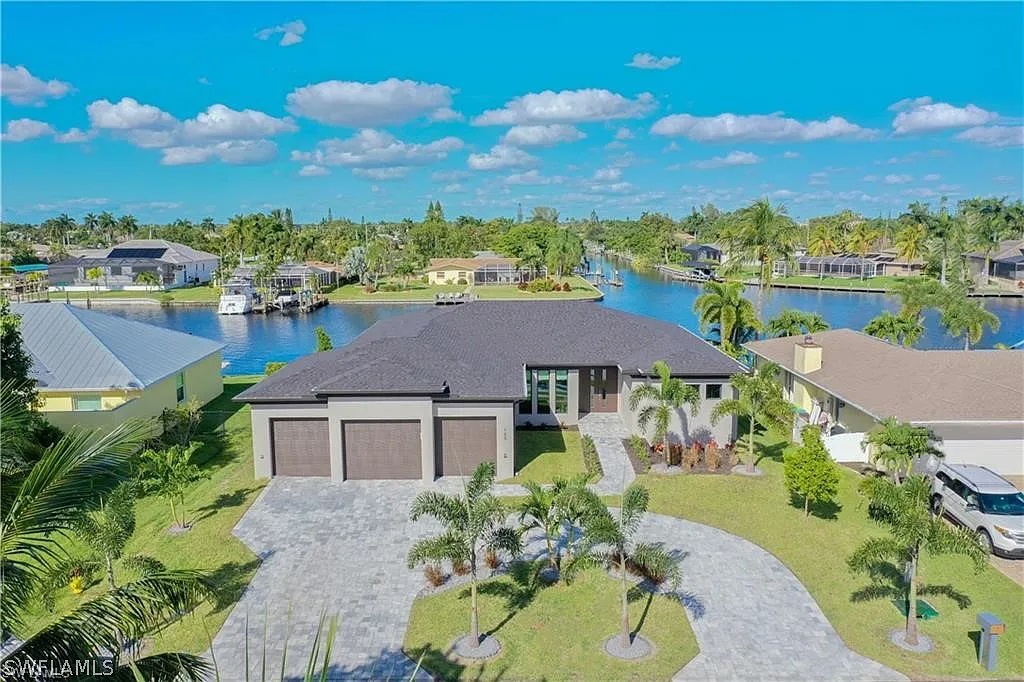
Navigating the Florida real estate market involves more than just finding a home that fits your aesthetic and budget. The Sunshine State’s unique climate and geographical features present specific challenges and considerations that can significantly impact your purchase decision and ongoing costs. Understanding these nuances is crucial for making a sound investment and ensuring long-term peace of mind.Beyond the typical checklists, a Florida home purchase demands a deep dive into environmental factors, insurance requirements, and structural resilience.
These elements, often overlooked in other regions, are paramount in Florida due to its vulnerability to hurricanes, flooding, and the pervasive effects of a coastal environment.
Understanding Flood Zone Designations and Their Implications
Florida’s extensive coastline and numerous waterways place a significant portion of its properties within designated flood zones. These designations, determined by the Federal Emergency Management Agency (FEMA), are critical for understanding your property’s risk and the associated insurance costs. Flood zones are categorized based on the likelihood of flooding, with different zones carrying different levels of risk and, consequently, different insurance premiums.Properties located in Special Flood Hazard Areas (SFHAs), typically zones A and V, face a higher risk of flooding.
Zone A areas are subject to inundation from storm surge and heavy rainfall, while Zone V areas are coastal regions prone to high-velocity wave action during hurricanes. Homes in these zones generally require flood insurance, which is often separate from standard homeowners insurance. For example, a home in a Zone AE might have an annual flood insurance premium of $1,500, while a similar home in a Zone X (preferred risk area) might pay as little as $200 for the same coverage, or even none if not mandated by a lender.Hypothetical Scenario: Imagine two identical homes, both priced at $400,000.
Home A is situated in a Zone AE, a high-risk flood zone. The lender requires flood insurance, adding approximately $1,800 annually to the homeowner’s costs. This also affects the property’s resale value, as potential buyers may be deterred by the mandatory insurance and perceived risk. Home B, located in a Zone X, is in a preferred risk area. Flood insurance is not required by the lender, and the homeowner opts for it voluntarily for an estimated $300 per year.
The absence of mandatory flood insurance makes Home B more attractive to a wider pool of buyers and potentially commands a slightly higher resale value. The long-term financial implications of flood zone designation are substantial, influencing not only insurance premiums but also the overall desirability and marketability of a property.
Significance of Windstorm Coverage for Florida Properties
Given Florida’s susceptibility to hurricanes and tropical storms, windstorm coverage is not merely an option but a critical component of homeowners insurance. This coverage protects against damage caused by high winds, a frequent occurrence during hurricane seasons. The premiums for windstorm coverage are influenced by a multitude of factors, including the property’s location relative to the coast, the age and construction of the home, the presence of hurricane shutters or impact-resistant windows, and the deductible chosen.Premiums can vary dramatically.
Investigate the pros of accepting homes for sale in florida in your business strategies.
A home in a coastal county with a history of hurricane damage might face annual windstorm premiums that are significantly higher than a home inland. For instance, a property in Miami-Dade County might have an annual windstorm premium of $3,000 or more, whereas a similar home in central Florida might pay $800. The deductible for windstorm coverage is often a percentage of the home’s insured value, typically ranging from 1% to 5%.
A 2% deductible on a $500,000 home means the homeowner is responsible for the first $10,000 of wind damage.Hurricane seasons, which run from June 1st to November 30th, can directly impact the availability and cost of windstorm insurance. During active hurricane seasons with significant storm activity, insurance companies may increase premiums or even limit new policy offerings as they reassess their risk exposure.
In some cases, particularly after major storms, private insurers might withdraw from certain high-risk areas, forcing homeowners to rely on the state-backed Citizens Property Insurance Corporation, which can have higher premiums and longer wait times for claims processing. This was evident after Hurricane Andrew in 1992, which led to the collapse of several private insurers and a significant overhaul of Florida’s insurance market, highlighting the volatile nature of windstorm coverage in the state.
Evaluating the Structural Integrity of a Florida Home
Assessing the structural integrity of a Florida home requires a keen eye for issues exacerbated by the local climate and environment. Beyond the standard home inspection, specific attention must be paid to potential problems stemming from foundation settling, pest infestations, and the corrosive effects of salt air. Foundation settling can occur due to changes in soil moisture, especially in areas with expansive clay soils or near the coast where saltwater intrusion can affect soil stability.
Signs of this might include visible cracks in walls or foundations, doors and windows that don’t close properly, or uneven floors.Pest infestations are a significant concern. Termites, particularly subterranean and drywood termites, thrive in Florida’s warm, humid climate and can cause extensive damage to wooden structures before being detected. Dry rot, a type of fungal decay, also flourishes in moist conditions and can weaken structural components.
A thorough inspection should include checking for sawdust-like frass (termite droppings), mud tubes, damaged wood, and any signs of fungal growth.The pervasive salt air along Florida’s coasts is a constant adversary to building materials. It accelerates the corrosion of metal components, including fasteners, electrical wiring, and HVAC systems, and can degrade wood and paint finishes over time. During a home visit, specific areas to inspect include:
- The foundation: Look for cracks, signs of water intrusion, and proper drainage away from the house.
- Exterior walls: Check for cracks, peeling paint, and any signs of wood rot or termite damage, especially around the base of the home and near any wooden decks or porches.
- Roof: Inspect for missing or damaged shingles, signs of wear, and the condition of flashing around vents and chimneys, which can be particularly vulnerable to salt corrosion.
- Windows and doors: Examine frames for rot or corrosion, and test their functionality to detect potential foundation settling.
- Attic and crawl spaces: These areas are prime spots for pest infestations and moisture accumulation; look for droppings, damaged wood, or mold.
- Electrical and plumbing systems: Check for signs of corrosion on exposed metal components.
Considering Proximity to Natural Attractions and Environmental Impacts
Florida’s allure is deeply tied to its natural beauty, from its pristine beaches to its lush inland landscapes. However, proximity to these attractions can come with environmental considerations that are vital to understand before purchasing a home. Coastal erosion is a significant concern for properties situated along the shoreline. Beaches and shorelines naturally shift and recede over time, and in some areas, this erosion can threaten the stability of beachfront properties.
Understanding the historical erosion rates and any mitigation efforts in place is crucial.Proximity to wildlife habitats, while often a benefit, can also present challenges. Alligators, snakes, and various insects are native to Florida, and living near their natural habitats means coexisting with them. This might involve managing landscaping to deter unwanted visitors or understanding local wildlife regulations. For example, a home adjacent to the Everglades might offer stunning views and unique wildlife encounters but could also require more diligent pest control and awareness of seasonal animal movements.Conversely, living near state parks or nature preserves offers numerous benefits.
Discover the crucial elements that make Home Bar Wall Decor Ideas the top choice.
These areas provide recreational opportunities, preserve natural ecosystems, and often contribute to a higher quality of life. They can also act as natural buffers against development, preserving the scenic beauty of the surrounding region. A home bordering a state park might benefit from unobstructed views, cleaner air, and a sense of tranquility. However, it’s also important to consider potential impacts such as increased traffic during peak seasons or the possibility of wildlife venturing onto the property.
Understanding the long-term environmental trajectory of the area, including any proposed development or conservation initiatives, is key to making an informed decision.
Investigate the economic landscape and investment potential surrounding Florida homes, focusing on emerging trends.
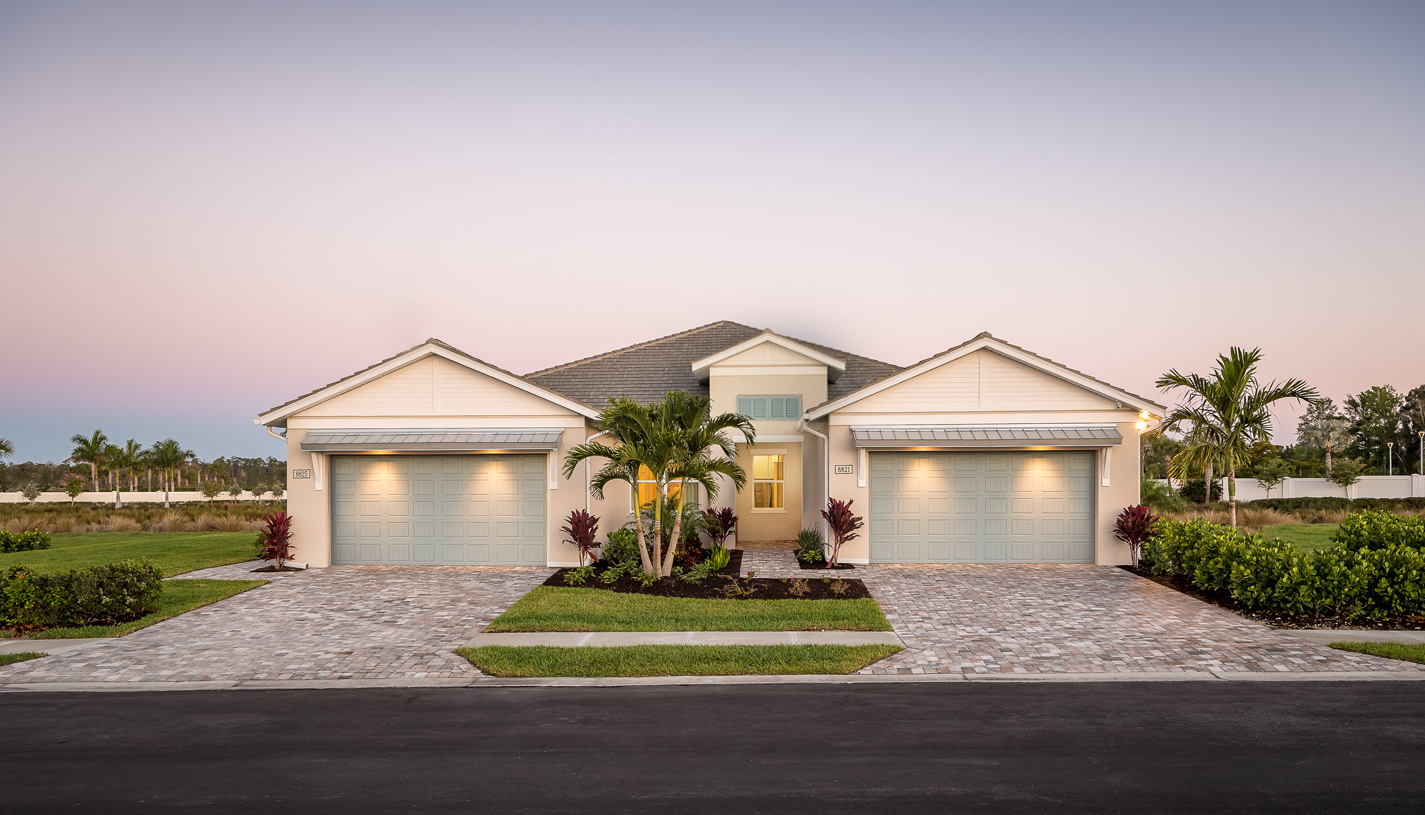
Florida’s real estate market presents a dynamic and often lucrative landscape for investors, driven by a confluence of factors including population growth, a robust tourism sector, and favorable economic conditions. Understanding the nuances of this market, from rental yields to the impact of evolving regulations and the growing demand for sustainable features, is crucial for anyone looking to maximize their investment potential.
This section delves into the key economic drivers and emerging trends shaping the future of Florida homeownership and investment.
Current Rental Market Dynamics in Popular Florida Destinations
The rental market across Florida’s popular destinations is characterized by strong demand and, in many areas, impressive rental yields. This robust performance is largely fueled by a continuous influx of new residents, seasonal tourists, and a growing number of individuals seeking flexible living arrangements. The state’s warm climate, extensive coastline, and vibrant cultural attractions consistently draw people, translating into a sustained need for rental properties.Average rental yields in sought-after areas can vary significantly, but many investors are seeing returns ranging from 4% to 8% annually, with some prime locations exceeding these figures.
For instance, coastal cities like Miami, Fort Lauderdale, and Tampa often command higher rental rates due to their desirability among both long-term residents and vacationers. Inland cities experiencing rapid development and job growth, such as Orlando and Jacksonville, are also witnessing escalating rental demand.Popular property types for investors typically include single-family homes, condominiums, and townhouses. Single-family homes often appeal to families seeking longer-term leases, while condominiums and townhouses are frequently favored by young professionals, retirees, and short-term rental operators due to their lower maintenance requirements and amenity packages.
Multi-family units, such as duplexes and small apartment buildings, are also attractive for investors looking to diversify their portfolios and generate consistent cash flow.Factors driving demand in areas experiencing significant population growth are multifaceted. Primarily, job creation plays a pivotal role. Cities with expanding industries, particularly in technology, healthcare, and hospitality, attract a steady stream of workers who require housing.
Furthermore, Florida’s attractive tax environment, with no state income tax, makes it a magnet for individuals relocating from higher-tax states. The state’s appeal to retirees, seeking a warm climate and a relaxed lifestyle, also contributes substantially to long-term rental demand. The consistent tourism industry ensures a steady stream of short-term rental demand, particularly in tourist hubs and near major attractions.
This sustained demand underpins the profitability of rental properties across the state.
Impact of Short-Term Rental Regulations on Property Owners
The proliferation of short-term rentals, such as those facilitated by platforms like Airbnb and Vrbo, has significantly impacted Florida’s real estate market, leading to a complex regulatory environment for property owners. As these rentals gained popularity, many local governments began implementing regulations to address concerns ranging from neighborhood noise and parking issues to their impact on the long-term housing supply and local economies.
The rules and their enforcement vary considerably across different counties and cities within Florida, creating a patchwork of compliance requirements for property owners.In some areas, such as certain neighborhoods within Miami-Dade County, regulations can be quite stringent. Property owners may face limitations on the number of days a property can be rented out short-term, require special permits or licenses, and be subject to occupancy taxes similar to hotels.
Some municipalities have outright bans on short-term rentals in residential zones, forcing owners to either convert their properties to long-term rentals or sell them. Conversely, other cities, particularly those heavily reliant on tourism, may have more permissive rules, often allowing short-term rentals with minimal restrictions, provided basic safety and licensing requirements are met. For example, areas like the Florida Keys or parts of the Panhandle often have a more accommodating stance due to the economic importance of vacation rentals.The potential financial benefits of operating a vacation rental can be substantial.
Owners can often achieve higher per-night rates compared to long-term rental income, especially during peak tourist seasons. This can lead to a greater overall return on investment if managed effectively. However, the drawbacks are equally significant. The operational demands of short-term rentals are considerably higher, involving frequent cleaning, guest communication, property maintenance, and marketing. Property owners must also factor in the costs associated with furnishing the property, utility expenses that are typically higher due to constant occupancy, and the potential for property damage by guests.
Furthermore, navigating the ever-changing regulatory landscape can be time-consuming and costly, with potential fines for non-compliance. The income from short-term rentals can also be more volatile, subject to seasonal fluctuations and economic downturns, unlike the more predictable income from long-term leases.
Growing Appeal of Eco-Friendly and Sustainable Home Features
The demand for eco-friendly and sustainable home features in Florida is on a significant upward trajectory, driven by a growing environmental consciousness among homebuyers and a desire for long-term cost savings. As the state grapples with the impacts of climate change, including rising sea levels and more intense weather events, homeowners are increasingly prioritizing resilience and environmental responsibility in their property choices.
This shift is not just about ethical considerations; it’s also about smart financial planning and enhancing property value.Solar panel integration is perhaps the most prominent eco-friendly feature gaining traction. Florida’s abundant sunshine makes it an ideal location for solar energy generation. Installing solar panels can significantly reduce or even eliminate monthly electricity bills, offering substantial savings over the lifespan of the system.
Furthermore, many homeowners can benefit from federal tax credits and state incentives, making the initial investment more accessible. Beyond solar, water conservation systems are also highly valued. Given Florida’s sensitive water resources and the potential for drought, features like low-flow fixtures, rainwater harvesting systems for irrigation, and drought-tolerant landscaping are becoming standard expectations.Energy-efficient appliances, high-performance insulation, and impact-resistant windows are other key features contributing to sustainability and cost savings.
These elements not only reduce energy consumption for heating and cooling but also enhance the comfort and safety of the home, particularly important in Florida’s humid and hurricane-prone climate. Energy-efficient appliances use less electricity and water, leading to lower utility bills. Improved insulation and windows minimize heat gain, reducing the workload on HVAC systems.These sustainable features contribute to long-term cost savings in multiple ways.
Reduced utility bills are the most immediate benefit. Additionally, many of these features, such as solar panels and impact windows, can lead to lower homeowner’s insurance premiums. Over time, the cumulative savings can be substantial, making a sustainable home more financially attractive than a conventional one. Moreover, properties equipped with these features often command a higher resale value. Buyers are increasingly willing to pay a premium for homes that offer lower operating costs and a reduced environmental footprint, making eco-friendly upgrades a sound investment for property owners.
Role of Second-Home Ownership in the Florida Real Estate Market
Second-home ownership is a cornerstone of the Florida real estate market, significantly influencing its economic vitality and character. The allure of the Sunshine State, with its pristine beaches, abundant recreational opportunities, and desirable climate, makes it a prime destination for individuals seeking a vacation home, a seasonal residence, or an investment property. This segment of the market attracts a diverse range of buyers, each with distinct motivations and financial approaches.The motivations behind purchasing a second home in Florida are varied.
For many, it’s about securing a personal escape – a place to enjoy vacations, escape colder climates, or spend retirement years. These buyers often seek properties that offer a certain lifestyle, whether it’s proximity to golf courses, boating access, or vibrant cultural centers. Another significant group comprises investors who purchase second homes with the intention of renting them out, either long-term or as short-term vacation rentals, to generate income.
This dual-purpose ownership model is particularly popular in tourist-heavy areas.Typical financing methods for second homes often involve a slightly different approach than primary residences. Buyers frequently utilize conventional mortgages, though interest rates might be marginally higher due to the property not being a primary residence. A substantial portion of second-home purchases, especially those intended as investments, are made with cash.
This is often facilitated by individuals with significant equity in their primary homes or those who have accumulated wealth specifically for real estate investment. Some buyers also leverage home equity lines of credit (HELOCs) from their primary residences to fund down payments or the entire purchase of a Florida second home.The economic contributions of second-home owners to local Florida communities are profound.
They represent a significant source of property tax revenue, which funds local schools, infrastructure, and public services. When second-home owners visit their properties, they patronize local businesses, including restaurants, shops, and entertainment venues, injecting substantial spending into the local economy. Furthermore, the demand for property management services, maintenance, and renovations associated with second homes creates employment opportunities and supports a network of local service providers.
The consistent influx of visitors associated with vacation rentals also bolsters the hospitality and tourism sectors, further contributing to the economic ecosystem of these communities.
Detail the lifestyle advantages and community aspects associated with owning a home in Florida.
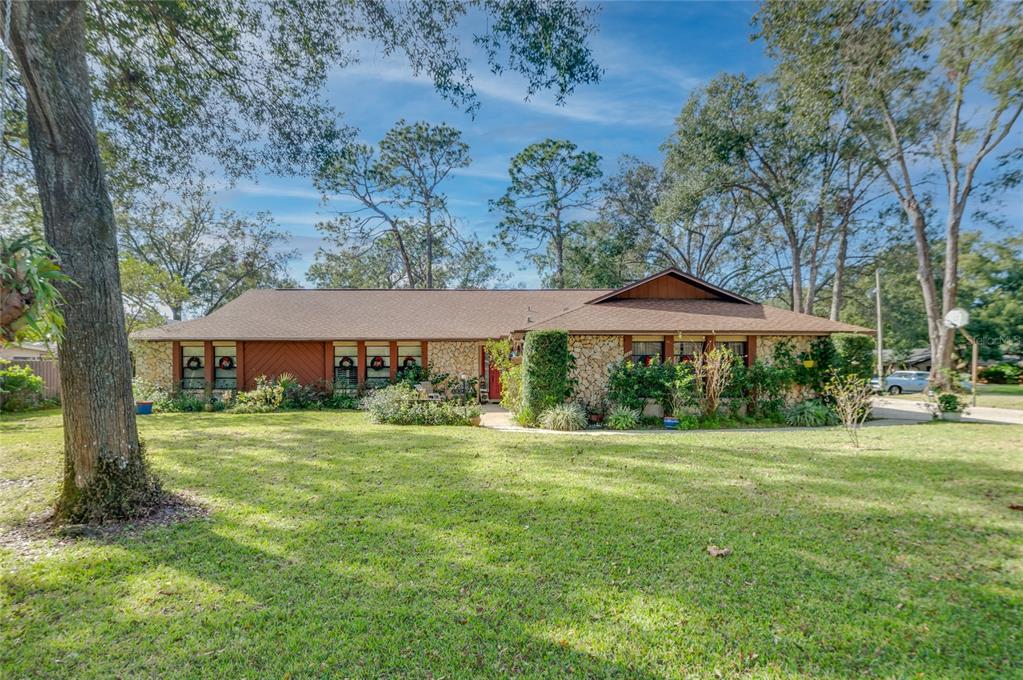
Florida, often celebrated for its sunshine and sandy beaches, offers a lifestyle deeply intertwined with its natural beauty and diverse communities. Owning a home here unlocks a world of leisure, social engagement, and cultural richness that extends far beyond the typical real estate transaction. This vibrant environment fosters a unique quality of life, appealing to a broad spectrum of residents seeking both relaxation and adventure.
The state’s abundant natural resources and thoughtfully designed communities provide ample opportunities for personal enjoyment and connection.The allure of Florida living is significantly amplified by the unparalleled access to outdoor recreation. For homeowners, the state’s extensive coastline presents a veritable playground for water enthusiasts. Boating, from leisurely sunset cruises along the Intracoastal Waterway to adventurous deep-sea fishing expeditions, is a way of life for many.
Marinas dot the coast, offering easy access to the Atlantic Ocean and the Gulf of Mexico, teeming with diverse marine life. Kayaking and paddleboarding through mangrove tunnels or along serene rivers provide a more intimate connection with nature, offering glimpses of manatees and diverse bird species. Beyond the coast, Florida’s interior boasts a network of freshwater lakes and springs, perfect for swimming, fishing, and waterskiing.
The Everglades, a UNESCO World Heritage site, offers a unique opportunity to explore a subtropical wilderness by airboat or guided tour, encountering alligators, rare birds, and a truly distinct ecosystem. Numerous state and national parks, such as Myakka River State Park with its vast wetlands and Big Cypress National Preserve, invite hiking, camping, and wildlife observation, allowing residents to immerse themselves in the state’s rich biodiversity.
These constant opportunities for outdoor activity not only promote physical health but also contribute to a profound sense of well-being and a desirable, active lifestyle that is a hallmark of Florida residency.
Distinct Living Experiences Across Florida Communities
Florida’s residential landscape is characterized by a remarkable diversity of communities, each catering to specific lifestyles and demographics. This variety ensures that prospective homeowners can find a niche that perfectly aligns with their needs and preferences. Understanding these distinctions is crucial for making an informed decision about where to plant roots in the Sunshine State.
Active adult communities, typically designed for residents aged 55 and over, offer a curated living experience focused on leisure, social engagement, and convenience. These communities often feature extensive recreational facilities, including golf courses, swimming pools, fitness centers, and dedicated clubhouses. Social calendars are usually packed with organized activities, from fitness classes and card games to social mixers and organized day trips, fostering a strong sense of camaraderie among residents.
The emphasis is on an independent yet socially connected lifestyle, with many communities providing low-maintenance living options, such as lawn care and exterior maintenance, freeing up residents’ time to pursue their interests. Examples include The Villages in Central Florida, one of the largest age-restricted communities in the world, known for its extensive amenities and active social scene, or smaller, more intimate enclaves scattered across coastal and inland areas.
Family-friendly neighborhoods, on the other hand, are designed with the needs of growing families in mind. These communities often boast excellent school districts, proximity to parks and playgrounds, and a generally safe and welcoming atmosphere. Amenities might include community pools, sports fields, and walking trails that encourage outdoor play and neighborly interaction. The social structure here revolves around school events, local sports leagues, and neighborhood gatherings.
Examples range from suburban developments with single-family homes and ample yard space to planned communities with shared amenities that appeal to parents seeking convenience and a strong sense of community for their children. Cities like Tampa, Orlando, and Jacksonville offer numerous family-oriented neighborhoods with a high quality of life.
Urban enclaves, found in Florida’s major cities like Miami, Fort Lauderdale, and St. Petersburg, offer a dynamic living experience for those who thrive on city life. These areas are characterized by a mix of apartments, condominiums, and townhouses, often within walking distance of diverse dining, entertainment, and cultural attractions. Residents enjoy easy access to professional opportunities, vibrant nightlife, and a cosmopolitan atmosphere.
The social fabric is often more diverse and fast-paced, with a focus on cultural events, arts scenes, and culinary exploration. These enclaves appeal to young professionals, empty nesters, and anyone who enjoys the convenience and excitement of urban living. The distinct amenities here are often the city itself – museums, theaters, professional sports venues, and a plethora of restaurants and bars.
The Cultural Tapestry of Florida
Florida’s cultural landscape is a rich and dynamic mosaic, shaped by centuries of influence from diverse populations that have called the state home. This vibrant cultural tapestry significantly enriches the experience of residing in Florida, offering residents a unique blend of traditions, flavors, and artistic expressions. The state’s history as a crossroads for various peoples has fostered an environment where different cultures not only coexist but actively influence and enhance one another.
The influence of diverse populations is most palpable in Florida’s local cuisine. From the Cuban sandwiches and cafecito in Miami to the fresh seafood seasoned with Caribbean spices along the Gulf Coast, the culinary scene is a testament to this multicultural heritage. The Hispanic influence, particularly from Cuba, Puerto Rico, and Latin America, is profound, introducing a wide array of flavors, ingredients, and cooking techniques that have become integral to the state’s food identity.
Southern traditions, with their emphasis on comfort food and barbecue, also play a significant role, especially in North Florida. Furthermore, the influx of residents from the Northeast and Midwest has brought their own culinary preferences, creating a unique fusion that can be found in restaurants across the state. This culinary diversity means that Florida homeowners have access to an extraordinary range of dining experiences, from authentic international fare to innovative American cuisine.
Festivals and celebrations across Florida are vibrant expressions of its cultural diversity. Annual events like Miami’s Calle Ocho Music Festival, a celebration of Hispanic culture, draw millions with its music, food, and art. The Gasparilla Pirate Festival in Tampa, with its unique historical roots, offers a different kind of revelry. Numerous smaller festivals celebrate everything from citrus and seafood to specific ethnic heritages, providing residents with year-round opportunities to engage with different traditions.
These events often feature traditional music, dance performances, artisanal crafts, and, of course, abundant food, creating immersive cultural experiences that foster a strong sense of community and shared identity.
The arts scene in Florida is equally diverse and thriving, reflecting the influences of its varied population. Major cities boast world-class museums, art galleries, and performance venues. The Salvador Dalí Museum in St. Petersburg, the Pérez Art Museum Miami, and the Norton Museum of Art in West Palm Beach showcase international and national artists, while numerous local galleries highlight regional talent.
The performing arts scene includes symphony orchestras, opera companies, and a plethora of theaters offering everything from Broadway shows to experimental productions. The influence of Latin American and Caribbean art is evident in many galleries and public art installations, adding a distinctive flair to the state’s artistic landscape. This rich cultural environment means that Florida homeowners are constantly exposed to new and exciting artistic expressions, contributing to a stimulating and enriching lifestyle.
Understanding Amenities and Services in Florida’s Master-Planned Communities
Master-planned communities in Florida are designed to offer a comprehensive and cohesive living environment, integrating residential areas with a wide array of amenities and services. These communities are meticulously developed to provide residents with convenience, recreation, security, and a strong sense of belonging. Understanding the typical offerings within these developments is key to appreciating the lifestyle they afford.
Recreational facilities are a cornerstone of Florida’s master-planned communities, designed to cater to diverse interests and promote an active lifestyle. Common features include:
- Clubhouses: Central hubs for social gatherings, events, and often housing fitness centers, meeting rooms, and lounges.
- Swimming Pools: Ranging from resort-style pools with cabanas and water features to lap pools for exercise and community pools for family fun.
- Fitness Centers: Equipped with modern exercise machines, free weights, and often offering group fitness classes.
- Sports Courts: Including tennis, pickleball, basketball, and racquetball courts, fostering both competitive and casual play.
- Golf Courses: Many communities are built around or feature their own golf courses, appealing to enthusiasts of the sport.
- Parks and Green Spaces: Well-maintained parks, nature trails, and open green areas provide opportunities for walking, picnicking, and enjoying the outdoors.
- Playgrounds: Dedicated areas for children to play safely.
Security measures are a high priority in master-planned communities, aiming to provide residents with peace of mind. These often include:
- Gated Entrances: Controlled access points that restrict entry to residents and authorized guests, enhancing privacy and security.
- 24/7 Security Patrols: On-site security personnel who monitor the community, respond to incidents, and deter unauthorized activity.
- CCTV Surveillance: Security cameras strategically placed throughout common areas to monitor activity and aid in security efforts.
- Community Watch Programs: Resident-led initiatives that encourage neighbors to look out for one another and report suspicious activity.
Homeowner Association (HOA) responsibilities are integral to the management and upkeep of master-planned communities. The HOA, typically a non-profit organization made up of community residents, is responsible for:
- Maintaining Common Areas: This includes landscaping, amenity upkeep, road maintenance, and ensuring all shared facilities are in good working order.
- Enforcing Community Rules and Covenants: HOAs establish and enforce rules regarding property maintenance, architectural standards, noise levels, and pet policies to preserve the community’s aesthetic and quality of life.
- Collecting Dues: Homeowners are required to pay regular dues, which fund the maintenance, services, and amenities provided by the HOA.
- Managing Budgets: The HOA is responsible for creating and managing the community’s annual budget, ensuring financial stability.
- Organizing Community Events: Many HOAs facilitate social events and activities to foster community spirit.
These elements collectively contribute to a cohesive living environment where residents can enjoy a high standard of living, with shared responsibilities ensuring the community remains well-maintained, secure, and enjoyable for all. For example, a community like Babcock Ranch in Southwest Florida is renowned for its integrated approach to sustainability, technology, and resident well-being, showcasing how these amenities and services can create a truly modern and connected living experience.
Summary
In essence, Florida homes are more than just structures; they are embodiments of a desirable lifestyle, shaped by history, climate, and a forward-thinking vision. From the enduring charm of Spanish colonial influences to the sleek lines of modern design, and the practical considerations of flood zones and windstorm coverage, to the burgeoning appeal of sustainable features and the rich cultural tapestry, owning a Florida home offers a multifaceted experience.
Whether seeking a serene retreat, an active adult community, or a vibrant urban enclave, the Sunshine State provides a diverse array of opportunities to embrace its unique allure and potentially lucrative investment prospects.
Questions Often Asked
What are the typical maintenance challenges for Florida homes?
Florida homes often face challenges related to humidity, salt air, and intense sun. Common maintenance issues include potential mold and mildew growth, the need for regular pest control (especially for termites), and the upkeep of exterior paint and roofing due to UV exposure and occasional strong winds. Salt air can also accelerate corrosion on metal components and impact building materials near coastal areas.
How do hurricanes affect home insurance costs in Florida?
Hurricane seasons significantly influence home insurance premiums in Florida. Properties located in areas prone to storm surges or high winds will naturally have higher insurance costs. The type and amount of coverage chosen, along with the age and construction of the home, also play a crucial role. Insurers may also impose higher deductibles for hurricane damage.
What is the role of homeowner associations (HOAs) in Florida communities?
Homeowner associations in Florida play a significant role in managing and maintaining common areas within planned communities. They enforce community rules and regulations, collect dues for services like landscaping and amenities, and often contribute to the overall aesthetic and upkeep of the neighborhood. Understanding HOA covenants is crucial before purchasing a property in such a community.
Are there specific building codes for Florida homes to withstand natural disasters?
Yes, Florida has stringent building codes designed to withstand natural disasters, particularly hurricanes. These codes often mandate specific construction techniques, materials, and window/door specifications to improve resistance to high winds and driving rain. Newer constructions are generally built to meet these updated standards.
What are the benefits of choosing a home in a master-planned community in Florida?
Master-planned communities in Florida often offer a comprehensive lifestyle with a wide array of amenities such as swimming pools, fitness centers, golf courses, and walking trails. They typically provide a sense of security through controlled access and well-maintained common areas, fostering a strong community atmosphere and convenience for residents.