Homes for sale in Florida present a dynamic landscape for prospective buyers, offering a wide array of opportunities across the Sunshine State. This guide delves into the current market conditions, the driving forces behind Florida’s real estate appeal, and practical strategies for navigating this exciting market. Whether you’re dreaming of a beachfront condo, a family-friendly suburban home, or an investment property, understanding the nuances of Florida’s housing market is key to making a successful purchase.
We will explore the diverse property types, geographical variations, and price points that define Florida’s real estate scene. Furthermore, we’ll examine the economic and lifestyle factors that continue to fuel demand, alongside demographic shifts shaping new developments. For those ready to embark on their homeownership journey in Florida, we Artikel essential steps, financial preparations, and negotiation tactics to ensure a smooth and advantageous transaction.
Uncover the Diverse Range of Residential Properties Currently Available Across Florida’s Vibrant Real Estate Landscape.
Florida’s real estate market is a dynamic and multifaceted ecosystem, offering a breathtaking array of residential properties to suit every taste, lifestyle, and budget. From the sun-drenched beaches of the Gulf Coast to the bustling metropolises of the interior and the charming historic towns, the Sunshine State presents a compelling proposition for homebuyers. The current market conditions reflect a robust demand, influenced by a consistent influx of new residents, favorable tax policies, and the allure of a warm climate and abundant recreational opportunities.
This diverse inventory ensures that whether you’re seeking a primary residence, a vacation home, or an investment property, you’re likely to find a suitable option.The prevalence of certain property types is significantly shaped by regional characteristics and buyer preferences. Single-family homes remain a dominant force, particularly in suburban and more rural areas, offering space, privacy, and the potential for customization.
These are highly sought after by families and individuals looking for a traditional homeownership experience. Condominiums and townhouses, on the other hand, are exceptionally popular in urban centers and coastal communities, appealing to those who prioritize low-maintenance living, access to amenities, and proximity to dining, entertainment, and employment hubs. The demand for these properties is often driven by a desire for a lock-and-leave lifestyle and the convenience of shared facilities.
Furthermore, the market is seeing continued interest in vacation rental properties, especially in tourist-heavy regions, where investors aim to capitalize on the state’s enduring appeal to visitors. The construction of new developments, including master-planned communities, continues to contribute to the supply, often featuring modern designs and integrated amenities.
Geographical Distribution and Regional Characteristics
Florida’s expansive geography dictates distinct regional characteristics that significantly influence the types of residential properties available and their inherent appeal. The South Florida region, encompassing areas like Miami-Dade, Broward, and Palm Beach counties, is characterized by a high concentration of luxury condominiums, waterfront estates, and modern single-family homes. This area attracts a global clientele, drawn to its vibrant cultural scene, upscale amenities, and proximity to international airports.
Browse the implementation of Cheap Mobile Homes for Sale in Palm Beach County in real-world situations to understand its applications.
The appeal here lies in the sophisticated urban lifestyle combined with stunning coastal access.Moving north along the Atlantic coast, the Central East Coast (e.g., Brevard, Volusia counties) offers a mix of coastal properties, including beach houses and waterfront condos, alongside more traditional single-family neighborhoods. This region often appeals to those seeking a slightly more relaxed pace than South Florida while still enjoying beach access and a reasonable commute to major employment centers.The Central Florida region, dominated by Orlando and its surrounding areas, is a hub for single-family homes, particularly in master-planned communities that cater to families and retirees.
The presence of major theme parks and a thriving job market fuels demand for diverse housing options, from starter homes to spacious executive residences.The Southwest Florida coast, including cities like Naples, Fort Myers, and Sarasota, is renowned for its upscale lifestyle, pristine beaches, and abundant golf courses. Here, luxury villas, waterfront properties, and high-end condominiums are prevalent, attracting a discerning buyer seeking tranquility and natural beauty.Finally, the North Florida region, encompassing cities like Jacksonville, Tallahassee, and Pensacola, offers a broader range of property types, often at more accessible price points.
You also can understand valuable knowledge by exploring homes mobile homes.
Single-family homes are abundant, with a mix of historic properties in older city centers and newer developments in suburban areas. This region appeals to those looking for a more traditional Southern charm, lower cost of living, and access to a variety of natural landscapes.
Typical Price Ranges and Affordability Factors
The price ranges for homes for sale in Florida exhibit considerable variation, largely dictated by location, property type, and the specific amenities offered. In the most sought-after coastal areas of South Florida, such as Miami Beach or parts of Palm Beach, luxury condominiums can easily range from $700,000 to several million dollars, with waterfront estates often exceeding $10 million. Single-family homes in these prime locations can start in the $800,000s and climb into the multi-million dollar bracket.Central Florida, particularly the greater Orlando area, presents a more varied spectrum.
Entry-level single-family homes can be found in the $300,000s, while mid-range family homes typically fall between $400,000 and $600,000. Luxury homes and those in exclusive communities can command prices from $700,000 upwards, with some estates reaching several million dollars. Condominiums in Orlando and its surrounding suburbs often range from $250,000 to $500,000, offering a more affordable entry into desirable areas.Southwest Florida, known for its affluent communities, sees similar price points to South Florida in areas like Naples, where single-family homes and condos frequently start in the $500,000s and can easily surpass $1 million, especially for waterfront or golf course properties.
Fort Myers and Sarasota offer slightly more diverse price points, with starter homes available in the $300,000s and luxury properties in the higher ranges.North Florida generally offers more affordable options. In Jacksonville, for instance, single-family homes can be found starting in the low $200,000s, with many desirable neighborhoods offering homes in the $300,000s to $500,000s range. Tallahassee and Pensacola also present opportunities for homeownership at relatively lower price points compared to the southern and coastal regions.Affordability factors are significantly influenced by property taxes, insurance costs (especially flood and hurricane insurance), and homeowners’ association (HOA) fees, which can add substantially to the overall cost of ownership.
Desirable Features and Amenities in Florida Homes
Buyers in Florida are consistently drawn to a range of features and amenities that enhance their lifestyle and capitalize on the state’s climate and recreational opportunities. Among the most sought-after are those that facilitate outdoor living and entertainment.
- Outdoor Living Spaces: Expansive patios, screened-in lanais, and covered porches are highly valued, providing comfortable areas for relaxation and dining al fresco. Many properties also boast private swimming pools, often heated for year-round enjoyment, and outdoor kitchens or barbecue areas.
- Water Access and Views: For many, living in Florida means embracing the water. Properties with direct water access, such as private docks, boat slips, or frontage on lakes, canals, or the ocean, are exceptionally desirable. Equally appealing are homes offering stunning water views, which can significantly enhance the living experience.
- Modern Kitchens and Bathrooms: Updated kitchens featuring granite or quartz countertops, stainless steel appliances, and ample cabinet space are a staple. Similarly, renovated bathrooms with walk-in showers, dual vanities, and contemporary fixtures are key selling points.
- Energy Efficiency: With Florida’s warm climate, features that promote energy efficiency are increasingly important. This includes impact-resistant windows and doors for hurricane protection, energy-efficient appliances, and effective insulation. Solar panels are also gaining traction as buyers look to reduce utility costs and their environmental footprint.
- Community Amenities: In condominiums and planned communities, access to shared amenities is a major draw. This often includes community pools, fitness centers, clubhouses, walking trails, tennis courts, and sometimes even private beach access or golf courses.
- Smart Home Technology: The integration of smart home features, such as smart thermostats, lighting systems, and security systems, is becoming more common and is a desirable amenity for tech-savvy buyers.
- Generous Storage: Given the amount of outdoor gear and seasonal items, ample storage space, including walk-in closets, garages, and dedicated storage rooms, is a practical and appreciated feature.
Investigate the primary factors influencing the current demand for residences in Florida.
Florida’s real estate market is experiencing a robust demand, driven by a confluence of powerful economic, lifestyle, and demographic forces. This dynamic environment has created a consistently active market for residential properties, attracting a diverse range of buyers from across the nation and the globe. Understanding these underlying factors is crucial for anyone looking to navigate or capitalize on Florida’s housing landscape.The Sunshine State’s appeal is multifaceted, extending beyond its postcard-perfect beaches and warm weather.
A closer examination reveals a sophisticated interplay of economic opportunities, unparalleled lifestyle amenities, and evolving societal trends that collectively fuel the sustained interest in Florida homes.
Economic Drivers of Florida’s Housing Demand
The economic engine of Florida is a primary catalyst for its burgeoning residential real estate market. A significant factor is the state’s impressive job growth and the expansion of key industries, which consistently attract new residents seeking employment and career advancement. This influx of professionals and their families directly translates into a heightened demand for housing across various price points and property types.
Industries such as technology, healthcare, aerospace, and finance have seen substantial investment and growth, creating a fertile ground for job creation. For instance, the burgeoning tech hubs in cities like Tampa and Orlando, coupled with the established financial sectors in Miami, have drawn a significant number of skilled workers. These individuals, often earning competitive salaries, are in a strong position to purchase homes, thereby stimulating the market.Furthermore, Florida’s business-friendly environment, characterized by no state income tax and a generally favorable regulatory climate, makes it an attractive location for both new businesses and established companies looking to relocate or expand.
This corporate migration further bolsters job opportunities and, consequently, housing demand. The construction industry itself is a significant contributor, with new developments constantly underway to meet the growing needs of the population. The expansion of sectors like logistics and distribution, facilitated by Florida’s strategic geographic location and extensive port infrastructure, also contributes to job creation and population growth. This sustained economic vitality ensures a steady stream of potential homebuyers, underpinning the resilience of the Florida real estate market.
“Florida’s lack of a state income tax is a powerful draw for individuals and businesses alike, significantly impacting migration patterns and subsequent housing demand.”
Lifestyle Attractions and Housing Needs
Beyond economic opportunities, Florida’s allure is deeply rooted in its exceptional lifestyle offerings, which are powerful motivators for people seeking to establish residency. The year-round warm climate is perhaps the most universally recognized attraction, allowing for an active outdoor lifestyle throughout the year. This climate is a significant draw for individuals seeking to escape colder regions and embrace a more temperate environment.
The abundance of recreational opportunities further enhances this appeal. From world-renowned theme parks and pristine beaches for water sports to vast natural preserves for hiking and birdwatching, Florida offers a diverse range of leisure activities. Golfing communities, boating access, and vibrant nightlife contribute to a high quality of life that many find irresistible.These lifestyle preferences directly shape housing needs. For example, the desire for outdoor living often translates into a demand for homes with spacious yards, swimming pools, and proximity to recreational areas.
Retirees, a significant demographic in Florida, often seek low-maintenance properties, communities with abundant amenities, and access to healthcare facilities. Young families are drawn to areas with good school districts, family-friendly amenities, and safe neighborhoods. The cultural offerings, including a rich tapestry of arts, music, and diverse culinary scenes, particularly in major metropolitan areas like Miami, Tampa, and Orlando, add another layer of appeal, fostering a vibrant and engaging living experience.
This combination of climate, recreation, and culture creates a strong demand for residences that facilitate and enhance these desired lifestyles.
Demographic Shifts and Housing Development
Florida is currently experiencing significant demographic shifts that are directly influencing the types of homes and communities being developed and marketed. The state continues to attract a diverse population, including a growing number of retirees, young professionals, and families. This evolving demographic landscape necessitates a corresponding adaptation in housing supply. The influx of retirees often fuels the demand for active adult communities, which typically offer specialized amenities such as golf courses, community centers, and on-site healthcare services, along with smaller, manageable residences.Simultaneously, the state’s growing appeal to younger generations and families is driving the development of more diverse housing options.
This includes an increased emphasis on urban infill projects, townhouses, and condominiums in or near city centers, catering to professionals seeking proximity to employment and entertainment. The demand for single-family homes with modern designs, energy-efficient features, and access to good schools remains strong, particularly in suburban areas. Furthermore, there is a growing interest in sustainable and eco-friendly housing solutions, reflecting a broader societal trend.
Developers are responding by incorporating green building practices and offering properties that align with these evolving preferences. The state’s robust population growth also means a continuous need for new construction, leading to the development of master-planned communities that offer a blend of residential, commercial, and recreational spaces, designed to cater to the varied needs of its expanding populace.
Motivations of Different Buyer Segments, Homes for sale in florida
The motivations for purchasing homes in Florida vary considerably among different buyer segments, each with unique priorities and expectations.
- Retirees: For retirees, the primary drivers are often a desire for a relaxed lifestyle, warm climate, and a lower cost of living compared to some northern states. They frequently seek single-story homes, communities with abundant amenities like pools and social activities, and proximity to healthcare facilities. Financial considerations, such as no state income tax and predictable property taxes, are also paramount.
Many are looking for low-maintenance properties to free up time for leisure activities.
- Young Families: Young families are typically motivated by factors such as access to good school districts, safe neighborhoods, and family-friendly amenities. They often prioritize single-family homes with sufficient space for children to play, both indoors and outdoors. Proximity to parks, recreational facilities, and community events is also a significant consideration. Affordability and opportunities for future appreciation are important, as they plan for long-term family growth.
- Investors: Real estate investors are drawn to Florida for its strong rental market, potential for capital appreciation, and the consistent demand driven by tourism and population growth. Their motivations are primarily financial, seeking properties that will generate rental income and increase in value over time. They may look for vacation rental properties in popular tourist destinations or long-term rental properties in areas with high job growth.
The ease of property management in some areas and favorable tax implications can also influence their decisions.
- Young Professionals/Remote Workers: This segment is often attracted by the vibrant job markets in Florida’s growing cities and the increasing prevalence of remote work opportunities. They seek homes that offer a good balance of affordability, modern amenities, and access to urban conveniences such as dining, entertainment, and cultural attractions. Proximity to their workplaces or efficient transportation links is important, as is a lifestyle that supports an active social life.
Design a Strategic Approach for Navigating the Competitive Florida Housing Market as a Prospective Buyer

Entering Florida’s dynamic real estate market as a buyer requires a well-defined strategy to ensure a successful and less stressful homeownership journey. The state’s desirability, driven by its favorable climate, growing economy, and diverse lifestyle offerings, often translates into a highly competitive environment. A proactive and informed approach is paramount for securing your ideal property amidst this landscape. This guide Artikels the essential steps and considerations for navigating the Florida housing market effectively.
Illustrate the unique selling propositions of different regions within Florida for prospective homeowners.

Florida’s diverse geography and burgeoning economy present a captivating array of living experiences, each region offering a distinct flavor of the Sunshine State. From the allure of ocean breezes to the grounded charm of inland communities, prospective homeowners can find a niche that perfectly aligns with their lifestyle aspirations and financial considerations. Understanding these regional nuances is key to making an informed decision in this dynamic real estate market.The state’s real estate landscape is not monolithic; rather, it’s a tapestry woven with threads of coastal luxury, suburban tranquility, and urban sophistication.
Each area boasts its own set of advantages, driven by factors like natural beauty, economic opportunities, community development, and cost of living. This section delves into these unique selling propositions, offering a comprehensive overview to guide your property search.
The Allure of Florida’s Coastal Communities
Florida’s extensive coastline is a significant draw for a multitude of homebuyers, offering a lifestyle deeply intertwined with the water and sun. The appeal of coastal living is multifaceted, encompassing breathtaking natural beauty, a wealth of recreational activities, and a sense of exclusive tranquility. Waterfront properties, in particular, represent the pinnacle of this desirability, providing unparalleled views and direct access to the ocean, intracoastal waterways, or serene lakes.
Imagine waking up to the gentle lapping of waves, enjoying your morning coffee on a balcony overlooking a pristine beach, or stepping directly from your backyard onto a boat. This dream is a reality for many in Florida’s coastal enclaves.The lifestyle benefits associated with these properties extend far beyond aesthetics. Residents often enjoy immediate access to a variety of water-based pursuits, including boating, fishing, kayaking, paddleboarding, and world-class surfing.
The presence of vibrant beach towns means a constant flow of dining, shopping, and entertainment options, often with a casual, laid-back vibe. Furthermore, many coastal areas are home to prestigious golf courses, nature preserves, and wildlife sanctuaries, offering a rich tapestry of outdoor adventures. For those seeking a sophisticated urban coastal experience, cities like Miami and Fort Lauderdale offer a cosmopolitan atmosphere with high-rise living, fine dining, and a thriving arts scene, all with the ocean as a backdrop.
Conversely, quieter coastal towns along the Gulf Coast, such as Sarasota or Naples, provide a more relaxed pace, focusing on pristine beaches, upscale boutiques, and a strong sense of community. The inherent value of waterfront property, often appreciating at a higher rate due to limited supply and high demand, also makes it an attractive long-term investment.
The Attractiveness of Inland Florida Cities and Towns
While the coast commands significant attention, Florida’s inland cities and towns offer a compelling alternative, particularly for those prioritizing affordability and a strong sense of community. These areas often provide a more grounded living experience, characterized by a slower pace of life, closer ties among neighbors, and a greater emphasis on family-friendly environments. The cost of living, including housing prices, tends to be more accessible compared to prime coastal locations, allowing for greater financial flexibility and potentially larger properties for the same investment.These inland hubs are frequently characterized by their well-established neighborhoods, often featuring mature trees, spacious yards, and a sense of established permanence.
They are typically home to excellent public school systems, numerous parks and recreational facilities, and a diverse range of local businesses and community events. Cities like Orlando, while a major tourist destination, also boasts significant inland residential areas offering a robust job market and a variety of cultural attractions. Smaller towns scattered throughout the state, such as Ocala or Lakeland, offer a more intimate community feel, where local traditions are cherished and community involvement is high.
Browse the implementation of Home Bar Wall Decor Ideas in real-world situations to understand its applications.
These areas often foster a strong sense of belonging, with local festivals, farmers’ markets, and community centers serving as gathering places. The proximity to natural springs, state parks, and equestrian communities further enhances the appeal for those who enjoy outdoor activities but prefer to be away from the immediate coastal crowds. For many, the stability and predictability of inland living, coupled with its affordability, make it an ideal choice for raising a family or establishing a long-term residence.
Emerging Real Estate Trends in Specific Florida Areas
Florida’s real estate market is in a constant state of evolution, with several key trends shaping its future. One prominent development is the continued expansion of master-planned communities. These large-scale developments offer a comprehensive lifestyle, often incorporating residential neighborhoods, commercial centers, recreational amenities like golf courses and clubhouses, and even schools and healthcare facilities, all within a single, cohesive environment.
Examples can be found across the state, from large retirement communities in Central Florida to family-oriented developments in the suburbs of major metropolitan areas. These communities are designed to provide convenience, security, and a high quality of life, appealing to a broad demographic seeking a curated living experience.Another significant trend is the revitalization of urban centers. Many of Florida’s downtown areas, once primarily commercial districts, are undergoing a transformation into vibrant, mixed-use hubs.
This revitalization often involves the redevelopment of historic buildings, the construction of modern apartment complexes and condominiums, and the infusion of new retail, dining, and entertainment establishments. Cities like Tampa, Jacksonville, and West Palm Beach are actively investing in their urban cores, creating walkable, amenity-rich environments that attract young professionals, empty nesters, and those seeking an active urban lifestyle. This trend is not only about aesthetic improvements but also about fostering economic growth and creating more sustainable, transit-oriented communities.
The influx of new businesses and the focus on walkability and public spaces are making these revitalized urban areas increasingly desirable places to live, work, and play.
Property Taxes and Insurance Costs Across Florida Regions
When considering a move to Florida, understanding the financial implications of property taxes and insurance is paramount for long-term homeownership. These costs can vary significantly depending on the region, influencing the overall affordability and financial sustainability of owning a home. Property taxes in Florida are generally assessed at the local level, meaning they are determined by county and municipal governments.
While Florida does not have a state income tax, property taxes can represent a substantial annual expense. For instance, some of the more affluent coastal areas or areas with extensive public services might have higher millage rates, leading to higher tax bills. Conversely, less developed inland areas may offer lower property tax burdens.Insurance costs, particularly homeowners’ insurance and flood insurance, are also critical considerations and can be highly variable.
Due to Florida’s susceptibility to hurricanes and tropical storms, insurance premiums, especially in coastal zones, can be considerably higher than in other parts of the country. Areas along the coast, particularly those in flood zones, will almost certainly require separate flood insurance policies, adding to the overall cost. Inland properties, while generally less exposed to wind damage from hurricanes, can still be affected by heavy rainfall and associated flooding, though insurance costs may be somewhat lower.
It’s important to research specific regional rates and consider potential increases due to climate change and the frequency of severe weather events.
“Florida’s property tax system is designed to be location-specific, and insurance premiums are heavily influenced by proximity to the coast and the risk of natural disasters.”
To illustrate, a property in a high-demand coastal area like Miami-Dade County might have a higher property tax rate and significantly higher insurance premiums compared to a property in a more rural, inland county in North Florida. This difference can amount to thousands of dollars annually, impacting a buyer’s overall budget and the long-term cost of homeownership. Thorough research into specific county and city tax rates, as well as obtaining quotes for homeowners and flood insurance for prospective properties, is a crucial step in financial planning.
Hypothetical Property Listing Illustrations
To vividly portray the distinct living experiences across Florida, let’s imagine three hypothetical property listings from different regions: Listing 1: Coastal Paradise in the Florida KeysImagine a charming, elevated stilt home nestled on a private canal in Marathon, Florida Keys. This property boasts 3 bedrooms and 2 bathrooms, offering approximately 1,800 square feet of living space with panoramic water views from almost every room. The exterior features a weathered-wood facade, a metal roof designed for hurricane resilience, and a spacious, wraparound deck perfect for entertaining or simply soaking in the salty air.
Below the house, a private dock with a boat lift awaits your vessel, providing direct access to the vibrant turquoise waters of the Atlantic. Inside, the open-concept living area is flooded with natural light, featuring vaulted ceilings, coastal-inspired decor, and large sliding glass doors that seamlessly connect the interior to the expansive deck. The kitchen is a chef’s delight with granite countertops, stainless steel appliances, and ample cabinet space.
The master suite is a serene retreat, complete with a private balcony overlooking the water and an en-suite bathroom with a spa-like shower. This home embodies the quintessential Keys lifestyle – relaxed, aquatic, and utterly breathtaking. The asking price reflects its prime location and direct water access, making it an ideal sanctuary for boating enthusiasts and those seeking an unparalleled island escape.
Listing 2: Family-Friendly Haven in a Central Florida SuburbDiscover a meticulously maintained, single-family home in a well-established neighborhood just outside of Orlando. This 4-bedroom, 2.5-bathroom residence offers 2,500 square feet of comfortable living space, perfect for a growing family. Situated on a generous quarter-acre lot, the property features a large, fenced backyard with a screened-in patio, ideal for outdoor play and summer barbecues. The home’s interior boasts a traditional layout with a formal living and dining room, a spacious family room, and a bright, updated kitchen with modern appliances and plenty of counter space.
Upstairs, the bedrooms provide ample private space, with the master suite offering a walk-in closet and a private en-suite bathroom. Community amenities include access to a neighborhood pool, playground, and walking trails, all within a short drive of top-rated schools, shopping centers, and major employment hubs. This home offers the perfect blend of suburban tranquility and convenient access to urban amenities, providing a secure and welcoming environment for families looking to put down roots.
The property’s value is enhanced by its proximity to excellent educational institutions and its position within a friendly, community-oriented neighborhood. Listing 3: Urban Chic Loft in Downtown St. PetersburgExperience sophisticated urban living in this stunning, modern loft apartment located in the heart of downtown St. Petersburg. This 2-bedroom, 2-bathroom unit offers approximately 1,400 square feet of open-concept living space, characterized by high ceilings, exposed brick accents, and large industrial-style windows that provide sweeping views of the city skyline and glimpses of Tampa Bay.
The gourmet kitchen features sleek cabinetry, quartz countertops, and high-end stainless steel appliances, seamlessly integrated into the living and dining area, making it perfect for entertaining. The master bedroom is a private oasis with a spacious walk-in closet and a luxurious en-suite bathroom. Residents enjoy exclusive access to building amenities, including a rooftop pool with panoramic views, a state-of-the-art fitness center, and concierge services.
Step outside your door and immerse yourself in the vibrant downtown St. Pete scene, with world-class restaurants, art galleries, museums, and waterfront parks just a short stroll away. This loft represents the pinnacle of city living, offering a dynamic lifestyle for those who appreciate convenience, culture, and contemporary design. Its location provides unparalleled access to the city’s thriving cultural and culinary landscape.
Understand the role of real estate professionals in facilitating home purchases in Florida.: Homes For Sale In Florida
Navigating the dynamic Florida real estate market can be an exhilarating experience, but it also presents a unique set of challenges. For prospective homebuyers, understanding the crucial role that licensed real estate professionals play is paramount to a successful and stress-free transaction. These seasoned experts serve as invaluable guides, offering a wealth of knowledge and resources that can significantly streamline the process of finding and acquiring your dream home.
Their expertise extends far beyond simply locating listings; they are instrumental in ensuring you make informed decisions and achieve your real estate goals with confidence.Working with a licensed real estate agent or broker in Florida offers a multitude of benefits that can significantly enhance your home-buying journey. These professionals are not only intimately familiar with the intricacies of the local market but are also bound by ethical codes and regulations designed to protect your interests.
Their in-depth understanding of property values, neighborhood trends, and negotiation strategies can be the difference between securing a property at a favorable price and overpaying. Furthermore, they possess the skills to navigate the complex legal and financial aspects of a real estate transaction, mitigating potential pitfalls and ensuring a smoother closing process.
Benefits of Engaging a Licensed Real Estate Professional
The advantages of partnering with a licensed real estate professional when searching for homes for sale in Florida are substantial and multifaceted. These individuals are equipped with the tools, knowledge, and experience necessary to advocate for your best interests throughout the entire home-buying process. Their expertise can save you time, reduce stress, and ultimately lead to a more advantageous outcome.
- Expert Market Knowledge: Licensed agents possess up-to-the-minute information on market trends, property values, and inventory. They can identify areas that are poised for growth or experiencing a downturn, helping you make a sound investment. For instance, an agent familiar with the Tampa Bay area might highlight the rising demand in specific waterfront communities due to recent infrastructure improvements and the influx of new businesses.
- Access to Listings: Beyond publicly available listings, agents often have access to the Multiple Listing Service (MLS) and can even be privy to off-market properties before they become widely advertised. This provides a broader selection and a competitive edge.
- Skilled Negotiation: A skilled agent acts as your advocate during negotiations, leveraging their experience to secure the best possible price and terms. They understand common negotiation tactics and can effectively counter them on your behalf.
- Transaction Management: Real estate transactions involve a complex web of paperwork, deadlines, and third-party involvement (lenders, inspectors, appraisers, title companies). Agents manage these elements, ensuring all requirements are met and deadlines are adhered to, preventing costly delays or errors.
- Property Identification and Evaluation: Agents can help you refine your search criteria based on your lifestyle and financial capabilities, identifying properties that truly meet your needs. They can also provide insights into a property’s condition and potential resale value.
- Guidance on Financing and Inspections: While not lenders, agents can recommend reputable mortgage brokers and explain the general financing process. They also guide you through the crucial inspection phase, helping you understand inspection reports and negotiate repairs if necessary.
Assistance in Property Identification and Market Valuation
Licensed real estate professionals are adept at assisting buyers in pinpointing suitable properties that align with their specific requirements and financial parameters. They employ a systematic approach that leverages their extensive knowledge of the Florida market and their access to comprehensive property databases.An agent will begin by conducting a thorough consultation to understand your desired location, property type, size, amenities, and budget.
Based on this information, they will utilize the MLS and their professional network to identify properties that match your criteria. They can filter listings based on numerous factors, such as proximity to schools, commute times, specific architectural styles, or desired community features like golf courses or beach access. For example, an agent working with a retiree looking for a low-maintenance lifestyle in Southwest Florida might focus on condominium communities with active adult amenities and proximity to healthcare facilities.Furthermore, agents are skilled in assessing market values.
They conduct Comparative Market Analyses (CMAs) by examining recent sales of similar properties in the same area. This analysis considers factors like square footage, number of bedrooms and bathrooms, lot size, condition, and recent upgrades. This data-driven approach helps buyers understand if a property is priced appropriately, is a good value, or is potentially overpriced. For instance, if a buyer is interested in a condo in Miami Beach, an agent would compare it to recently sold units in the same building or comparable buildings nearby, taking into account the view, floor level, and any recent renovations.
Navigating Transaction Complexities
The process of purchasing a home in Florida involves a series of intricate steps, from making an offer to closing the deal. Real estate professionals are indispensable in guiding buyers through these complexities, ensuring that all legal and procedural requirements are met accurately and efficiently.When a buyer decides to make an offer, the agent drafts the purchase agreement, a legally binding document.
They ensure that all necessary contingencies, such as financing, inspection, and appraisal contingencies, are included to protect the buyer. They also advise on earnest money deposits and closing costs. After the offer is accepted, the agent coordinates with all parties involved. This includes scheduling home inspections and appraisals, reviewing inspection reports with the buyer, and negotiating any necessary repairs with the seller.
They liaise with the mortgage lender to ensure timely loan approval and work closely with the title company or attorney to facilitate a smooth title search and closing.
“A real estate agent acts as a central hub, coordinating communication and action among buyers, sellers, lenders, inspectors, appraisers, and title companies to ensure a seamless transaction.”
The agent’s role extends to ensuring that all deadlines Artikeld in the contract are met. They proactively address potential issues and provide solutions, preventing minor problems from escalating into major roadblocks. For example, if an appraisal comes in lower than the agreed-upon price, the agent will help the buyer and seller renegotiate the terms or explore options for financing the difference.
Typical Commission Structures in Florida Real Estate
In Florida, like in most of the United States, real estate agent commissions are typically paid by the seller. This commission is usually a percentage of the final sale price of the property. The commission rate is a matter of negotiation between the seller and their listing agent. Once the commission is agreed upon, it is then typically split between the listing brokerage and the buyer’s brokerage.
The buyer’s agent then receives a portion of their brokerage’s share.The standard commission rate in Florida can vary, but it commonly ranges from 5% to 6% of the sale price. For example, on a $500,000 home sale, a 6% commission would amount to $30,000. This $30,000 would then be split between the seller’s brokerage and the buyer’s brokerage. If the split is 50/50, each brokerage receives $15,000.
The individual agents would then receive a portion of their respective brokerage’s earnings, as per their independent contractor agreements.It’s important for buyers to understand that while they don’t directly pay the commission, the cost is factored into the seller’s pricing strategy. This is why working with a buyer’s agent is so beneficial; they are compensated for their services without incurring direct out-of-pocket expenses for the buyer.
Selecting a Knowledgeable Real Estate Agent
Choosing the right real estate agent is a critical step in your home-buying journey in Florida. A knowledgeable agent who understands your specific market of interest can significantly enhance your experience and lead to a more successful outcome.When selecting an agent, consider the following best practices:
- Specialization in Your Target Market: Look for agents who have a proven track record and extensive experience in the specific Florida region or neighborhood you are interested in. An agent specializing in luxury waterfront properties in Naples will have different expertise than one focused on starter homes in Orlando. Ask them about their experience in your desired area and request references from past clients in that locale.
- Local Market Insights: A good agent will possess deep knowledge of local schools, amenities, community developments, and future growth prospects. They should be able to articulate the unique selling propositions of different areas and provide insights into property values and rental potential.
- Communication and Responsiveness: Choose an agent who communicates clearly and promptly. They should be accessible via phone, email, or text and be willing to answer your questions thoroughly. Gauge their responsiveness during your initial interactions.
- Professional Affiliations and Licenses: Ensure the agent holds a valid Florida real estate license and is affiliated with reputable professional organizations like the National Association of REALTORS®. This indicates adherence to ethical standards and a commitment to professional development.
- Testimonials and Reviews: Seek out agents with positive client testimonials and online reviews. These provide valuable insights into their professionalism, negotiation skills, and overall client satisfaction.
- Interview Multiple Agents: Don’t settle for the first agent you meet. Interview at least two or three agents to compare their approaches, market knowledge, and communication styles. This will help you find the best fit for your needs.
Last Point
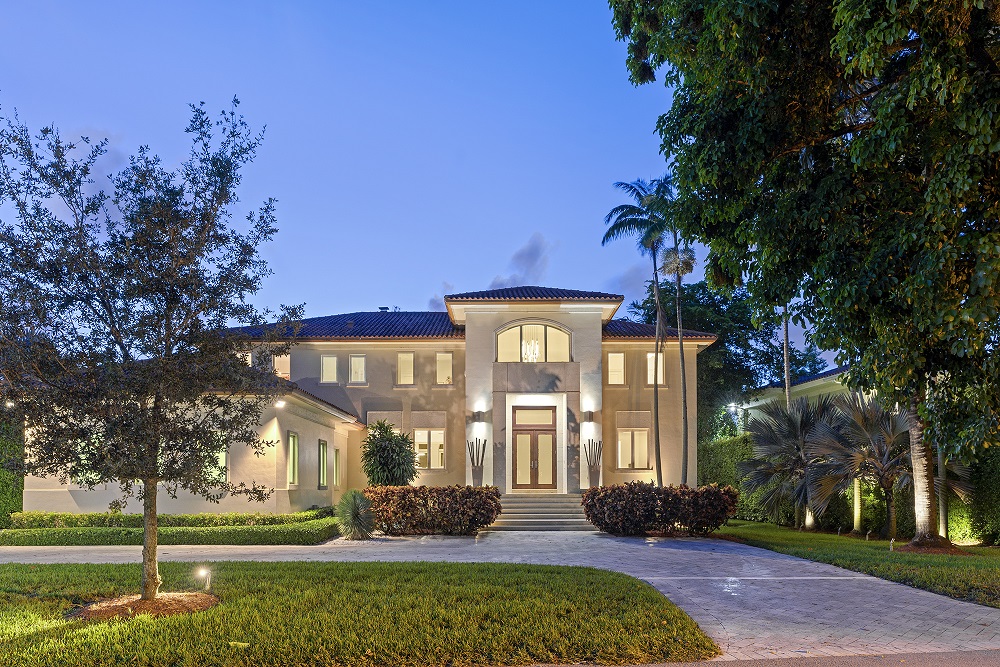
Navigating the vibrant market of homes for sale in Florida is an achievable goal with the right knowledge and approach. From understanding market trends and financing options to strategically evaluating neighborhoods and leveraging professional expertise, this guide has provided a comprehensive overview. By arming yourself with this information, you are well-equipped to make informed decisions and find the perfect Florida residence that aligns with your dreams and financial goals.
FAQs
What are the typical closing costs when buying a home in Florida?
Closing costs in Florida can vary but generally range from 2% to 5% of the loan amount. This typically includes appraisal fees, title insurance, recording fees, attorney fees, and lender fees. It’s advisable to get a detailed estimate from your lender early in the process.
Are there any specific tax advantages for homeowners in Florida?
Florida offers significant tax advantages, most notably the absence of a state income tax. Additionally, homeowners can benefit from homestead exemptions, which can reduce property taxes on their primary residence.
What is the best time of year to buy a home in Florida?
While homes are available year-round, the market often sees more inventory and potentially more motivated sellers during the fall and winter months (late October through February). However, prices can sometimes be higher during peak tourist seasons.
How do property taxes differ across Florida’s regions?
Property tax rates in Florida are set by local governments and can vary significantly. Generally, areas with higher demand and more amenities might have slightly higher rates, but this is not always the case. It’s crucial to research the specific millage rates for the county and city you are considering.