Homes mobile homes take center stage, this opening passage beckons readers into a world crafted with good knowledge, ensuring a reading experience that is both absorbing and distinctly original.
This comprehensive exploration delves into the multifaceted aspects of homes mobile homes, covering everything from their construction and financing to the vibrant communities they foster and the legal frameworks that govern them. We will navigate the evolving landscape of design and innovation, and also touch upon the practicalities of relocation, offering a complete picture for anyone interested in this dynamic housing sector.
Unpacking the Fundamental Distinctions Between Manufactured Homes and Traditional Site-Built Residences
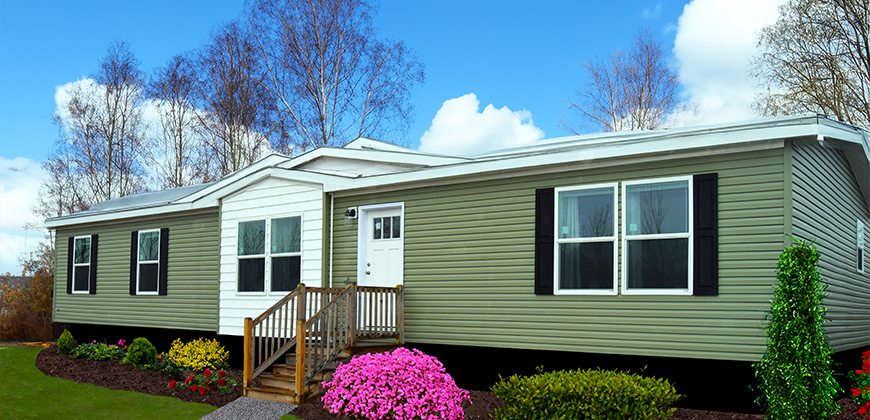
Navigating the housing market often presents a choice between a manufactured home and a traditional site-built residence. While both ultimately serve as dwellings, understanding their fundamental differences is crucial for making an informed decision. These distinctions span the entire lifecycle of a home, from its creation and regulatory framework to its longevity and ongoing care. Recognizing these variances empowers buyers to align their expectations and needs with the most suitable housing solution.The core of the divergence lies in the very essence of their construction.
Manufactured homes, often referred to as mobile homes (though this term is becoming less common and can carry outdated connotations), are built in controlled factory environments. This off-site construction allows for streamlined processes, precise quality control, and protection from adverse weather conditions, which can significantly impact the efficiency and consistency of building. Materials are often standardized and delivered directly to the factory floor, minimizing waste and maximizing economies of scale.
The assembly line approach ensures that each component is fitted with accuracy, leading to a uniform product. This method contrasts sharply with site-built homes, which are constructed piece by piece on their permanent foundation at the final location. Every stage, from framing to finishing, is exposed to the elements and dependent on the availability and skill of local labor. While this on-site flexibility allows for greater customization during the building process, it can also introduce variables in quality and timeline.
Construction Processes, Materials, and Regulatory Oversight
The manufacturing process for a manufactured home is a highly systematized operation conducted within a climate-controlled factory. This controlled environment is a significant advantage, as it eliminates the variables associated with weather delays, material exposure to moisture, and on-site theft or damage. Large sections of the home, including walls, floors, and roofs, are prefabricated and then assembled on a permanent steel chassis.
This chassis is integral to the home’s structure and is designed for transportation to the home’s final site. Materials used are typically of high quality, meeting stringent national standards. For instance, lumber is kiln-dried, reducing the risk of warping or cracking later. Insulation is often installed with greater precision than in many site-built homes, contributing to better energy efficiency. The entire construction adheres to the HUD Code (Manufactured Home Construction and Safety Standards), a federal building code administered by the U.S.
Department of Housing and Urban Development. This code ensures that manufactured homes are built to rigorous safety and durability standards, comparable to or exceeding those of site-built homes in many aspects.In contrast, site-built homes are constructed directly on their permanent foundation at the chosen location. This process involves multiple tradespeople – carpenters, plumbers, electricians, roofers, and more – working sequentially.
While this allows for a high degree of customization during the building phase, it also means that the quality of the finished product can be more dependent on the individual skills and coordination of the various contractors involved. Materials are delivered to the site and are exposed to the elements throughout the construction period, which can sometimes lead to issues with moisture or damage.
Site-built homes are regulated by local building codes, which vary from municipality to municipality. While these codes are designed to ensure safety and structural integrity, the enforcement and interpretation can differ, potentially leading to variations in construction quality across different regions. The flexibility of site-built construction allows for unique architectural designs and on-the-fly adjustments, but it generally comes with a higher price tag and a longer construction timeline due to the complexities of coordinating on-site work.
Typical Lifespan and Maintenance Requirements
The lifespan and maintenance requirements of manufactured homes and traditional site-built residences are often a subject of discussion, and it’s important to dispel some common myths. With proper care and regular maintenance, a manufactured home can last as long as a site-built home, often exceeding 50 years, and in many cases, much longer. The key lies in understanding their unique needs.
Manufactured homes are built on a steel frame, which, while durable, requires periodic inspection for rust or damage, especially in coastal or high-humidity environments. The skirting around the base of the home is crucial for protecting the undercarriage from pests and moisture, and it needs to be kept in good repair. Regular checks of plumbing and electrical systems are also vital, as is maintaining the roof and exterior siding to prevent water intrusion.
Unlike site-built homes, manufactured homes may require specialized services for certain repairs due to their factory-built nature.Site-built homes, when constructed with quality materials and maintained diligently, can also have very long lifespans, easily reaching 100 years or more. Their lifespan is often tied to the quality of the foundation, framing, and roofing. Maintenance typically involves regular inspections of the foundation for cracks, upkeep of the roof and gutters, and periodic painting or sealing of exterior surfaces.
Plumbing and electrical systems in site-built homes are generally more accessible for standard repairs and upgrades by local contractors. However, the lifespan of a site-built home can be significantly impacted by the quality of its initial construction and the ongoing maintenance provided. Factors like foundation settling, pest infestations, and deferred maintenance can shorten the life of even a well-built home.
Ultimately, both types of homes require a commitment to ongoing maintenance to ensure their longevity and structural integrity. Proactive care, addressing minor issues before they become major problems, is the most effective strategy for maximizing the lifespan of any residence.
Common Misconceptions About Manufactured Housing
A significant hurdle for many potential buyers considering manufactured housing is the prevalence of misconceptions. One of the most persistent myths is that manufactured homes are poorly constructed and less durable than site-built homes. This notion often stems from older “mobile homes” that were not built to the stringent HUD Code. Modern manufactured homes are built to exacting federal standards that address safety, energy efficiency, and durability.
They undergo rigorous inspections throughout the manufacturing process, ensuring a high level of quality control that is often more consistent than what can be achieved on a variable construction site. Another common misconception is that manufactured homes are temporary or less valuable. In reality, when properly sited and cared for, a manufactured home can appreciate in value, similar to a traditional home, especially when it is placed on a permanent foundation and considered real property.Furthermore, many people believe that manufactured homes are inherently less energy-efficient.
This is largely untrue for contemporary models. The factory environment allows for precise installation of insulation and sealing of air gaps, often resulting in manufactured homes that are more energy-efficient than many older site-built homes. The HUD Code also mandates specific energy efficiency standards. The idea that financing a manufactured home is difficult is also a misconception. While it might have been a challenge in the past, there are now numerous financing options available, including conventional mortgages for homes placed on permanent foundations, as well as specialized loans for manufactured housing.
Finally, the belief that customization is limited is another myth. While not as infinitely customizable as a fully custom-built home, modern manufactured homes offer a wide range of floor plans, finishes, and upgrade options that allow buyers to personalize their homes to a significant degree.
Advantages and Disadvantages of Purchasing a Manufactured Home Versus a Traditional Home
The decision between a manufactured home and a traditional site-built home hinges on a careful evaluation of their respective advantages and disadvantages. One of the most compelling advantages of manufactured housing is its affordability. Typically, manufactured homes offer a significantly lower cost per square foot compared to site-built homes, making homeownership accessible to a broader range of budgets. This cost-effectiveness extends to the construction process itself, which is streamlined and efficient due to the factory setting.
Customization is another area where manufactured homes offer a distinct advantage for many buyers. While not infinitely customizable, they provide a substantial array of floor plan options, interior finishes, and exterior décors, allowing buyers to create a home that reflects their personal style and needs, often at a lower cost than custom modifications on a site-built home.However, there are also disadvantages to consider.
The resale value of manufactured homes can be more variable than that of site-built homes, particularly if the home is not placed on a permanent foundation and is considered personal property rather than real estate. In some communities, zoning restrictions may limit where manufactured homes can be placed. The perception and stigma associated with older mobile homes can also impact resale value and desirability for some buyers.
Furthermore, while modern manufactured homes are built to high standards, the initial setup and installation process on the buyer’s land require careful attention to ensure proper leveling and utility connections, which can incur additional costs.For traditional site-built homes, the primary advantage lies in their perceived long-term value appreciation and greater customization flexibility during the construction phase. They are generally viewed as more stable investments, and their resale market is typically more robust and predictable.
The ability to make significant architectural changes and select every material and fixture during construction is a major draw for those seeking a highly personalized dwelling. The primary disadvantages of site-built homes are their significantly higher cost, both in terms of initial purchase price and ongoing property taxes, and the longer construction timelines. The process can also be more stressful due to the numerous variables and potential for delays.
Investigating the vibrant communities and lifestyle associated with manufactured home living.
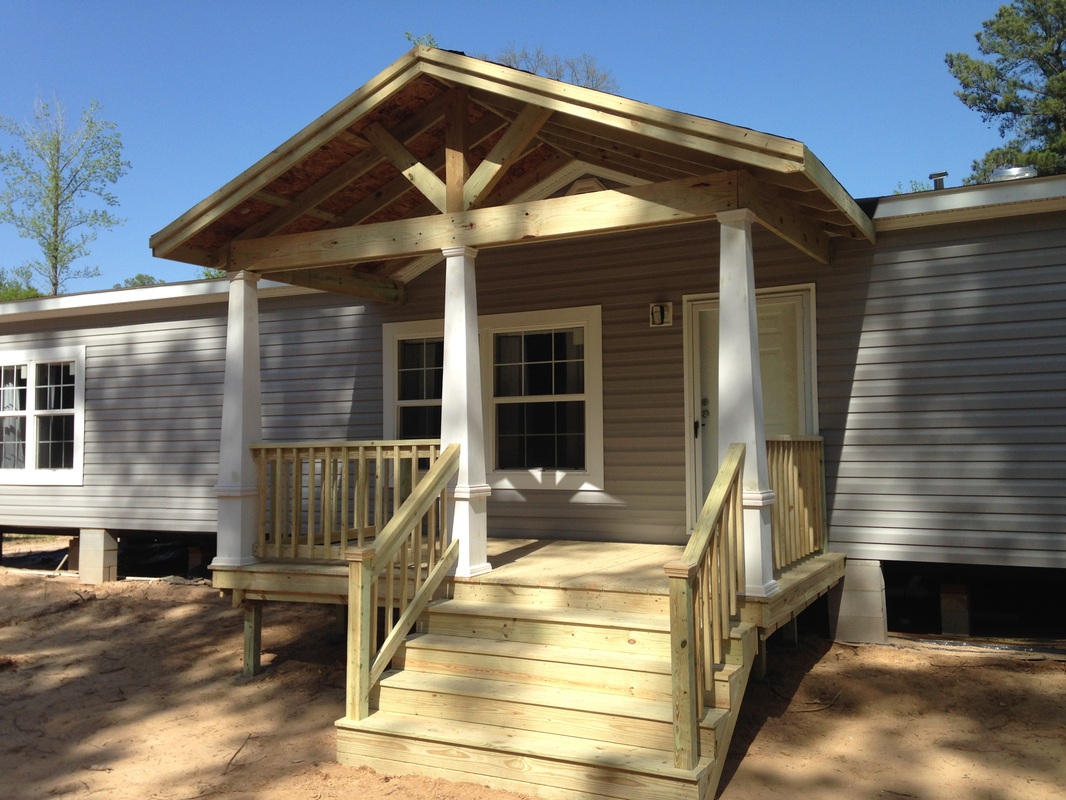
Beyond the tangible structure of a manufactured home lies a rich tapestry of community life and a distinct lifestyle that many residents find incredibly appealing. These aren’t just houses; they are often the focal point of carefully curated neighborhoods designed to foster social connection, provide convenience, and offer an attractive cost of living. Understanding these aspects is crucial for anyone considering this housing option.
The emphasis on shared spaces, organized activities, and a strong sense of belonging is a hallmark of the manufactured home living experience, setting it apart from more isolated forms of homeownership.Manufactured home communities, frequently referred to as mobile home parks, are designed with a focus on resident well-being and social interaction. These communities typically offer a range of amenities that enhance the quality of life and provide convenient access to recreation and services.
The infrastructure within these parks often includes well-maintained common areas, such as clubhouses that serve as central gathering points for social events, meetings, and recreational activities. Many communities boast swimming pools, fitness centers, and even golf courses or putting greens, catering to diverse interests. Outdoor spaces are also a priority, with parks often featuring beautifully landscaped grounds, walking trails, picnic areas, and playgrounds for families.
Security is another common feature, with controlled access gates and on-site management contributing to a safe and peaceful environment. The social fabric is often woven through organized events like potlucks, holiday celebrations, bingo nights, and community yard sales, fostering a friendly and engaging atmosphere where neighbors become friends.The unique sense of community and resident engagement that often characterizes life in these specialized neighborhoods is a significant draw for many.
Unlike the often transient nature of traditional neighborhoods, manufactured home communities tend to cultivate a more stable and interconnected social environment. This is largely due to the shared experience of living in a community where social interaction is not only encouraged but actively facilitated by park management and residents themselves. There’s a palpable sense of mutual support and camaraderie, where neighbors are more likely to look out for one another, share resources, and participate in collective efforts.
This can range from organizing neighborhood watch programs to assisting elderly residents with tasks. Resident engagement is frequently driven by formal or informal resident associations that act as a voice for the community, working with management to address concerns, plan events, and improve the overall living experience. This active participation ensures that the community evolves in ways that reflect the desires and needs of its inhabitants, creating a truly personalized and supportive living environment.The cost structure associated with manufactured home communities presents a significant financial advantage compared to the ongoing expenses of maintaining a traditional property.
In manufactured home communities, residents typically own their homes but lease the land on which the home is situated. This “lot rent” covers the use of the land, access to community amenities, and often basic utilities like water, sewer, and trash collection. While lot rent is a recurring expense, it is generally considerably lower than the mortgage payments, property taxes, and insurance premiums associated with owning a traditional single-family home.
Furthermore, the responsibility for maintaining the land, including landscaping, road upkeep, and common area amenities, falls on the community management, relieving residents of these often substantial costs. In contrast, traditional homeowners bear the full burden of property taxes, which can be a significant annual outlay, along with homeowners insurance, which typically covers a broader range of risks. Maintenance costs for a traditional property can also be unpredictable and extensive, encompassing everything from roof repairs and HVAC system replacements to general upkeep of the yard and exterior.
The predictable nature of lot rent, often with annual caps on increases, offers a level of financial stability that is highly attractive to many, particularly retirees or those on fixed incomes.Illustrative examples of resident-led initiatives and recreational activities abound within manufactured home communities, significantly contributing to the quality of life. Many communities feature resident-organized hobby clubs, such as gardening clubs that maintain communal flower beds or vegetable patches, book clubs that foster intellectual discussion, and craft groups that create items for local charities or community events.
Recreational activities are often a cornerstone of community life. For instance, a community might have a dedicated committee that organizes weekly potlucks in the clubhouse, seasonal barbecues, or themed holiday parties that bring residents together. Active lifestyle enthusiasts might find organized walking groups, water aerobics classes in the community pool, or friendly game tournaments like shuffleboard or horseshoes. Beyond social gatherings, resident-led initiatives often focus on improving the community itself.
This could involve a volunteer group dedicated to beautifying common areas, a committee that liaises with local authorities on behalf of the community, or even residents who offer their skills to help neighbors with minor repairs or technological issues. These initiatives not only enhance the living environment but also strengthen the bonds between residents, creating a vibrant and supportive atmosphere where people feel connected and engaged.
Understanding the Legal Frameworks and Resident Rights Governing Manufactured Home Ownership
Navigating the world of manufactured home living involves understanding a unique set of legal structures designed to protect both residents and community operators. Unlike traditional homeownership where property lines are clearly defined and regulated by general real estate law, manufactured home communities operate under specific landlord-tenant statutes. These laws are crucial for ensuring fair practices, clear expectations, and a secure living environment for those who choose this housing option.
Familiarizing oneself with these regulations empowers residents and fosters a more transparent and equitable community dynamic.The legal landscape governing manufactured home communities is primarily shaped by state and local landlord-tenant laws, which often have specific provisions tailored to this housing sector. These regulations aim to strike a balance, providing community owners with the ability to manage their properties effectively while safeguarding the rights and investments of the homeowners residing within.
Understanding these frameworks is not just about knowing your rights; it’s about fostering a stable and predictable living situation.
Landlord-Tenant Laws and Tenant Protections in Manufactured Home Communities
Manufactured home communities, often referred to as mobile home parks, are subject to a distinct set of landlord-tenant laws that differ significantly from those governing single-family home rentals. These specific regulations are designed to address the unique nature of manufactured home ownership, where residents own their homes but lease the land on which they are situated. A primary focus of these laws is the robust protection of tenants, recognizing that their home is a substantial asset and that relocating it can be extremely costly, if not impossible.Key tenant protections often include limitations on rent increases, specifying how often and by how much rent can be raised, and requiring advance notice for any such changes.
Many jurisdictions also mandate that park owners cannot arbitrarily terminate a residency agreement. Termination typically requires specific, legally defined reasons, such as non-payment of rent, violation of community rules, or the sale of the park under certain conditions. Furthermore, laws often dictate that park owners must maintain common areas and essential services like utilities, ensuring a habitable living environment. There are also provisions related to the sale of a manufactured home within the park, which we will explore further.
The intent is to prevent unfair evictions and to ensure that residents are not subjected to unreasonable demands or arbitrary rule changes that could jeopardize their housing security. For instance, many states have laws that prohibit “buy-out” clauses in leases that would force a resident to sell their home to the park owner at a below-market rate to make way for new tenants.
Instead, residents are generally afforded the right to sell their home to a third party, subject to reasonable approval processes by the park management. These protections are vital for maintaining the stability and affordability of manufactured home living, allowing residents to invest in their homes and communities with confidence.
Common Types of Leases and Residency Agreements in Manufactured Home Parks
Residency in a manufactured home community is typically governed by a formal lease or residency agreement, which Artikels the terms of the land rental and the rules of the community. These agreements are legally binding contracts that define the rights and responsibilities of both the park owner and the resident. Understanding the nuances of these documents is paramount for a smooth and secure living experience.The most common types of agreements include:
- Annual Leases: These are typically one-year contracts that renew automatically unless either party provides notice of termination according to the lease terms and state law. They offer a degree of stability for residents while allowing park owners to adjust terms annually.
- Longer-Term Leases: Some parks offer leases that extend for multiple years, often 3, 5, or even 10 years. These can provide greater rent stability for residents, as rent increases are often fixed or capped for the duration of the lease. For park owners, they can ensure a consistent income stream and reduce resident turnover.
- Month-to-Month Agreements: While less common for initial residency, these may be offered in certain situations or as a renewal option. They provide flexibility but offer less security for the resident due to shorter notice periods for termination.
Regardless of the term, these agreements typically detail the monthly rent, any additional fees (e.g., for utilities, trash removal, amenities), rules regarding pets, noise, home maintenance, and subletting. Residents have the right to occupy the leased land and enjoy the amenities provided by the park, as well as the right to quiet enjoyment of their home. Their responsibilities include paying rent on time, adhering to community rules, and maintaining their home in good condition.
Park owners have the responsibility to maintain common areas, provide essential services, and enforce rules consistently and fairly. It is crucial for residents to read and understand every clause before signing, and to seek legal advice if any aspect is unclear or seems unreasonable.
Processes for Resolving Disputes Between Park Owners and Residents
Disputes between manufactured home park owners and residents are an unfortunate reality in any community living situation. However, a structured framework exists to address these conflicts, aiming for resolution without necessarily resorting to costly and time-consuming litigation. These processes are designed to facilitate communication and find mutually agreeable solutions, upholding the rights of all parties involved.The initial step in dispute resolution often involves direct communication between the resident and park management.
Many communities have established procedures for residents to voice concerns, such as formal complaint forms or designated points of contact. If direct communication does not yield a satisfactory outcome, several avenues for mediation and legal recourse become available.Mediation is a popular and often effective method. In mediation, a neutral third party facilitates a discussion between the resident and the park owner, helping them to identify the core issues and explore potential solutions.
The mediator does not impose a decision but guides the parties toward their own agreement. This process is typically less adversarial and more cost-effective than court proceedings. Many states offer free or low-cost mediation services specifically for manufactured home park disputes.If mediation fails or is not pursued, residents may have recourse through state or local housing authorities. These agencies often have departments dedicated to handling landlord-tenant disputes and can investigate alleged violations of housing codes or residency laws.
They may offer informal resolution services or, in cases of significant violations, initiate formal enforcement actions against park owners.For more serious or complex disputes, legal action may be necessary. This could involve filing a lawsuit in small claims court for monetary damages or seeking injunctive relief in a higher court to compel the park owner to comply with the law or the lease agreement.
Residents may also be able to pursue class-action lawsuits if a park owner has engaged in practices that affect multiple residents. It is highly recommended that residents consult with an attorney specializing in landlord-tenant law or manufactured home community law before initiating legal proceedings. Such legal counsel can advise on the strength of a case, the appropriate legal venue, and the best strategy for achieving a favorable outcome.
The availability and specific procedures for these dispute resolution mechanisms can vary by state, making it essential for residents to be aware of the laws applicable in their jurisdiction.
Regulations Surrounding the Sale and Transfer of Manufactured Homes Within a Community Setting
The sale and transfer of a manufactured home situated within a community park involve a distinct set of regulations that differ from selling a traditional home on owned land. These regulations are in place to ensure that new residents are aware of their obligations and that the park owner maintains a desirable community environment. Understanding these processes is crucial for both sellers and potential buyers to navigate the transaction smoothly and legally.A common regulation involves the park owner’s right to approve prospective buyers.
This is not an arbitrary power; typically, park owners can only deny a buyer for legitimate reasons, such as the buyer’s inability to pay rent, a history of violating community rules, or if the buyer poses a demonstrable risk to the community. The approval process usually requires the prospective buyer to submit an application, which may include financial information and references.
The park owner then has a specified period to review the application and make a decision.Another significant aspect is the transfer of the land lease. When a manufactured home is sold, the buyer typically assumes the existing land lease agreement or enters into a new one with the park owner. This means the buyer must qualify for the lease based on the park’s criteria, which often includes credit checks and income verification.
The seller remains responsible for rent and other obligations until the sale is officially completed and the lease is transferred to the new owner.Some communities may also have rules regarding the age or condition of homes that can be sold and remain in the park. This is often to maintain the aesthetic appeal and value of the community. For instance, a park might have a policy that homes older than a certain age must be removed or replaced if sold.
However, such restrictions must be clearly stated in the residency agreement and comply with state laws, which often limit a park owner’s ability to enforce such rules retroactively or unreasonably.Furthermore, the sale process itself may require specific disclosures from the seller to the buyer, detailing any outstanding rent, fees, or known issues with the home or its systems. The transfer of title for the manufactured home itself, which is considered personal property unless permanently affixed to land owned by the homeowner, is handled separately from the land lease transfer.
The park owner’s involvement is primarily focused on the land tenancy and community rules. It is advisable for both sellers and buyers to consult the community’s rules and regulations, their lease agreement, and potentially seek legal counsel to ensure all legal requirements are met during the sale and transfer process.
Charting the Evolving Landscape of Manufactured Home Design and Construction Innovation
The realm of manufactured housing is undergoing a profound transformation, moving far beyond its historical perceptions. Today’s manufactured homes are at the forefront of design and construction innovation, embracing cutting-edge technologies and sustainable practices to create residences that are not only aesthetically pleasing and highly functional but also environmentally responsible. This evolution is driven by a desire to meet modern consumer demands for energy efficiency, customization, and advanced living experiences, all while maintaining the inherent affordability and accessibility that manufactured homes have always offered.
The industry’s commitment to progress is evident in every facet of design, from the materials used to the integration of smart home features.
Emerging Trends in Energy Efficiency and Sustainable Building Practices
The contemporary manufactured home industry is making significant strides in energy efficiency and sustainable building practices, a crucial development in addressing both environmental concerns and long-term homeowner costs. Manufacturers are increasingly adopting advanced insulation techniques that far surpass older standards. This includes the use of high-performance insulation materials, such as spray foam and rigid foam boards, which create a superior thermal envelope, minimizing heat transfer and reducing the need for excessive heating and cooling.
Furthermore, many modern manufactured homes are now equipped with energy-efficient windows and doors, featuring double or triple-pane glass with low-emissivity coatings that further enhance thermal performance.The integration of high-efficiency HVAC systems is another cornerstone of this sustainable push. Heat pump technology, geothermal systems, and advanced duct sealing are becoming more commonplace, significantly lowering energy consumption. Beyond the core structure, manufacturers are also prioritizing the use of sustainable and recycled materials.
This can include reclaimed wood for interior finishes, recycled steel for framing, and low-VOC (volatile organic compound) paints and adhesives, contributing to healthier indoor air quality and a reduced environmental footprint.Renewable energy sources are also entering the manufactured housing landscape. Many new models are designed to readily accommodate solar panel installations, with pre-wired systems and reinforced roofing structures. This allows homeowners to generate their own clean energy, further reducing their reliance on fossil fuels and lowering utility bills.
Water conservation is also a key focus, with the incorporation of low-flow fixtures, efficient water heaters, and even greywater recycling systems in some high-end models. The commitment to sustainability is not merely an add-on; it’s becoming an integral part of the design and construction philosophy for many leading manufacturers, reflecting a broader industry shift towards responsible building.
Technological Advancements Enhancing Aesthetics, Functionality, and Customization
Technological advancements are revolutionizing the manufactured home experience, significantly enhancing their aesthetic appeal, practical functionality, and the breadth of customization options available to consumers. Gone are the days when manufactured homes were perceived as uniform and basic. Today, manufacturers are leveraging sophisticated design software and advanced manufacturing techniques to offer a diverse range of architectural styles and interior layouts. This includes the ability to incorporate vaulted ceilings, expansive window walls that flood interiors with natural light, and modern open-concept living spaces that rival traditional site-built homes.The integration of smart home technology is a prominent trend.
This encompasses a wide array of features, from programmable thermostats that optimize energy usage and smart lighting systems that can be controlled remotely, to advanced security systems and integrated entertainment hubs. Voice-activated assistants can manage various home functions, creating a more convenient and connected living environment.In terms of functionality, advancements in materials and construction methods allow for greater durability and lower maintenance.
For instance, advanced roofing materials offer enhanced protection against the elements, and innovative siding options provide both aesthetic appeal and long-term resilience. The customization potential has also expanded dramatically. Consumers can now select from a vast array of interior finishes, cabinet styles, countertop materials, flooring options, and color palettes. Many manufacturers offer online design tools that allow potential buyers to visualize their choices in real-time, making the customization process more engaging and personalized.
This level of choice empowers individuals to create a home that truly reflects their unique style and needs, blurring the lines between manufactured and custom-built residences.
Architectural Styles and Interior Design Features: Older vs. Contemporary Models
The divergence in architectural styles and interior design features between older manufactured homes and their contemporary counterparts is stark, illustrating the significant progress and evolving consumer preferences within the industry. Historically, older manufactured homes often featured more rudimentary architectural designs, characterized by simpler rooflines, limited window configurations, and a more utilitarian exterior appearance. Interiors typically presented a more basic aesthetic, with standard-sized rooms, limited built-in features, and a narrower range of material and color choices.
The focus was primarily on providing basic shelter at an affordable price point, with less emphasis on design sophistication or the integration of advanced amenities.In contrast, contemporary manufactured homes showcase a remarkable breadth of architectural diversity. Many models now emulate the aesthetic appeal of traditional site-built homes, featuring complex roof designs, attractive porch and deck options, and a variety of exterior finishes like vinyl siding, fiber cement, and even stone accents.
Large windows, including picture windows and bay windows, are common, enhancing natural light and curb appeal. The interior design of modern manufactured homes has also seen a dramatic uplift. Open-concept floor plans are now standard, creating more spacious and fluid living areas. High ceilings, including vaulted and tray ceilings, add a sense of grandeur.Interior finishes have also become far more sophisticated.
Expect to find granite or quartz countertops, stainless steel appliances, designer cabinetry, and a wide selection of flooring materials such as luxury vinyl plank, engineered hardwood, and ceramic tile. Built-in features like entertainment centers, walk-in closets, and spa-like bathrooms with garden tubs and separate shower stalls are increasingly common. The color palettes and design motifs reflect current interior design trends, offering a level of style and comfort previously unimaginable in manufactured housing.
This evolution signifies a move towards manufactured homes being not just affordable housing, but desirable and stylish residences.
A Vision for the Future of Manufactured Housing
The future of manufactured housing promises an even more integrated, intelligent, and adaptable living experience, largely driven by the continued advancements in smart home technology and the increasing sophistication of modular construction principles. Imagine manufactured homes that are not just energy-efficient but actively manage their energy consumption, learning homeowner habits to optimize power usage and even contributing to the local energy grid through integrated solar systems and advanced battery storage.
Smart home systems will evolve beyond simple automation to become truly predictive and responsive, anticipating needs for lighting, temperature, and security, all managed through intuitive interfaces or even passive environmental sensing.The integration of modular construction principles will allow for greater flexibility and scalability in design and production. This means homes could be designed with components that can be easily added, removed, or reconfigured over time, adapting to changing family needs or lifestyle preferences.
Think of expandable modules for growing families or adaptable spaces that can transform from a home office to a guest room with ease. This modularity, combined with advanced 3D printing techniques for certain components, could further streamline construction, reduce waste, and offer unprecedented levels of customization at competitive price points.Furthermore, the concept of the “smart grid-ready” home will become the norm, with manufactured homes seamlessly interacting with utility infrastructure to manage demand and supply more effectively.
We may also see a greater emphasis on biophilic design, incorporating more natural elements and maximizing the connection between indoor and outdoor spaces, even within a factory-built environment. The future manufactured home is envisioned as a highly personalized, technologically advanced, and sustainable dwelling that offers a premium living experience while remaining accessible, truly redefining the possibilities of modern housing.
Navigating the process of relocating and setting up a manufactured home.
Relocating a manufactured home is a significant undertaking, far more complex than moving a standard vehicle. It involves meticulous planning, specialized equipment, and adherence to strict regulations to ensure the safety and structural integrity of the home. This process demands careful consideration of both the logistical hurdles and the associated financial commitments, from the initial disconnection to the final setup on a new foundation.
Understanding these intricacies is crucial for a smooth and successful transition.The journey of relocating a manufactured home is a multi-faceted operation that begins long before the actual move. It requires a comprehensive assessment of the home’s condition, its dimensions, and the feasibility of transporting it along chosen routes. This initial phase often involves detailed site surveys at both the origin and destination points.
The origin site must be prepared for the home’s removal, which includes disconnecting all utilities – water, sewer, electricity, and gas – in a safe and compliant manner. Simultaneously, the destination site must be thoroughly assessed and prepared to receive the home. This preparation is critical and can involve significant groundwork, including grading, excavation, and the installation of a new, level foundation that meets local building codes and the specific requirements of the manufactured home.
Logistical Challenges and Costs of Moving a Manufactured Home, Homes mobile homes
The logistical challenges and associated costs of moving a manufactured home are substantial and often underestimated. These expenses stem from the specialized nature of the transportation, the required site modifications, and the sheer complexity of handling a large, prefabricated structure. Transportation itself is a primary cost driver. It involves specialized heavy-haul trucks, experienced drivers trained in moving oversized loads, and often pilot cars to escort the home and ensure safe passage through public roadways.
The route must be carefully planned and approved, taking into account bridge clearances, road weight limits, power line heights, and potential traffic disruptions. Obtaining these permits can be time-consuming and costly.Site preparation at the destination is another significant expense. This typically involves clearing the land, grading the site to ensure a level surface, and potentially excavating for the foundation. Depending on the terrain, this could require heavy machinery and extensive labor.
The foundation itself is a major component of the cost. While some manufactured homes can be placed on piers or blocks, many require a more robust foundation, such as a concrete slab or a crawl space foundation, to meet local building codes and provide long-term stability. The cost of materials and labor for foundation construction can vary widely based on size, depth, and local material prices.
Furthermore, utility hookups at the new site – water, sewer, electricity, and gas – require trenching and connection to existing municipal services or the installation of new systems, adding further to the overall expense. Unexpected issues, such as encountering unforeseen underground utilities or challenging soil conditions, can also arise, leading to additional costs and delays. The overall cost of relocation can range from tens of thousands to well over a hundred thousand dollars, depending on the distance, the size and type of home, and the complexity of site preparation.
Essential Steps for Installing and Securing a Manufactured Home
Properly installing and securing a manufactured home on a new foundation is a critical phase that ensures its safety, stability, and compliance with all relevant building codes. This process is highly technical and requires precision to prevent structural damage and ensure long-term habitability. The initial step involves preparing the foundation, which must be perfectly level and designed to support the weight of the home evenly.
This might involve pouring a concrete slab, constructing a perimeter foundation with footings, or setting piers at precise locations as specified by the manufacturer and local regulations. Once the foundation is ready, the home is carefully transported and maneuvered into its final position.This is typically achieved using specialized hydraulic jacks and winches, guided by experienced professionals. The home is then lowered onto the foundation, ensuring it is centered and aligned correctly.
Following placement, the home must be securely anchored to the foundation to withstand wind loads and seismic activity. This involves a system of tie-downs, often using heavy-duty straps, bolts, or anchors that connect the home’s frame to the foundation. The specific anchoring system will depend on the home’s design, the foundation type, and local building codes, which are often based on regional wind zone requirements.
For example, in high-wind areas, more robust anchoring systems are mandated to prevent uplift. Furthermore, all utility connections – water, sewer, electricity, and gas – must be made by licensed professionals, ensuring they are properly sealed, insulated, and compliant with safety standards. The installation also includes sealing any gaps or openings between the home and the foundation to prevent pest intrusion and drafts, and ensuring proper ventilation.
Specialized Services and Professionals for Manufactured Home Relocation
A successful manufactured home relocation hinges on the expertise of specialized services and dedicated professionals who possess the unique skills and equipment required for this complex process. Attempting such a move without this specialized support is not only impractical but also poses significant safety risks and can lead to costly damage to the home. At the forefront are the manufactured home movers themselves.
These are not ordinary trucking companies; they are firms equipped with specialized, heavy-duty trucks designed to tow or transport modular structures, often with expandable trailers to accommodate varying widths. Their drivers are trained in navigating oversized loads, understanding road regulations for such transport, and operating the complex machinery involved in loading and unloading the home.Beyond the movers, site preparation often requires the services of excavation and grading contractors.
These professionals have the heavy machinery, such as bulldozers and excavators, needed to clear land, level the building site, and prepare the ground for the foundation. Foundation contractors are crucial for constructing the new base upon which the home will rest, ensuring it is level, structurally sound, and compliant with building codes. Utility installers, including licensed plumbers, electricians, and gas fitters, are essential for safely disconnecting and reconnecting all essential services at both the old and new locations.
These professionals ensure that all connections are up to code, properly sealed, and functional. Additionally, in some regions, specialized engineers may be required to assess the site, design the foundation, or certify the structural integrity of the relocated home. The coordination between these various professionals is paramount for a seamless transition, and often a general contractor or the moving company will manage this complex orchestration.
Permits and Inspections for Manufactured Home Relocation
Navigating the regulatory landscape of permits and inspections is a non-negotiable aspect of relocating and re-establishing a manufactured home. These requirements are in place to ensure the safety of the occupants, the integrity of the structure, and compliance with local zoning and building codes. Before the move can even commence, a series of permits are typically required. At the origin site, a permit for disconnection of utilities may be necessary, along with permits related to the removal of a structure from a property, especially if it was permanently affixed.
The transportation of the manufactured home itself often necessitates special permits from state and local transportation authorities, particularly for oversized loads. These permits Artikel the approved routes, travel times, and any required escorts.Upon arrival at the destination, a new set of permits becomes paramount. A building permit is almost always required for the installation of the manufactured home, which includes the foundation work and the anchoring system.
This permit ensures that the site preparation and foundation meet the stringent requirements of local building codes, which can vary significantly by region and are often influenced by factors like seismic activity and wind loads. Utility connection permits are also essential, allowing licensed professionals to legally connect the home to water, sewer, electricity, and gas services. After the home is set on its foundation and utility connections are made, a series of inspections will be conducted.
These typically include a foundation inspection to verify its structural integrity and compliance, an installation inspection to ensure the home is properly secured and anchored, and final utility inspections to confirm all connections are safe and functional. Failure to obtain the necessary permits or pass inspections can result in significant delays, fines, and the requirement to correct deficiencies, underscoring the importance of proactive engagement with local authorities throughout the relocation process.
Last Word: Homes Mobile Homes

In conclusion, homes mobile homes represent a compelling and increasingly sophisticated housing option, offering affordability, community, and modern design. From understanding the foundational differences and financial avenues to appreciating the lifestyle and legal protections, this guide has aimed to demystify the world of manufactured housing. As innovation continues to shape the future of these residences, they stand poised to remain a significant and attractive choice for a diverse range of homeowners.
Expert Answers
What is the primary difference in construction between a manufactured home and a traditional site-built home?
Manufactured homes are built in a factory under controlled conditions, allowing for greater precision and efficiency, while traditional homes are constructed on-site, exposed to weather and site-specific challenges.
Are manufactured homes generally considered less durable than traditional houses?
No, modern manufactured homes are built to stringent federal standards (HUD code) and can be just as durable, if not more so, than site-built homes due to their factory construction and quality control measures.
What are the typical financing options for a manufactured home?
Financing can include personal property loans (chattel loans) if the home is on rented land, or traditional mortgages if the home is permanently affixed to owned land. Specialized lenders often cater to this market.
Can I customize a manufactured home like a traditional house?
Yes, many manufacturers offer a wide range of customization options for both the interior and exterior of manufactured homes, allowing for significant personalization.
What is “lot rent” in a manufactured home community?
Lot rent is a monthly fee paid to the community owner for the use of the land your manufactured home is situated on, similar to renting a space in an RV park but for a permanent dwelling.