Houses for Sale in Dominican Republic offers a gateway to paradise, presenting an unparalleled opportunity for those seeking to invest in or relocate to this vibrant Caribbean nation. This comprehensive exploration delves into the most desirable regions, demystifies the legal and financial intricacies, showcases a diverse array of property types, Artikels practical steps for acquisition, and highlights the lucrative potential for rental income.
Prepare to uncover the secrets to finding your dream home or a sound investment in one of the most beautiful places on earth.
From the sun-drenched shores of its renowned coastal towns to the tranquil beauty of its inland havens, the Dominican Republic beckons with a spectrum of real estate opportunities. Whether you envision a luxurious beachfront villa, a secure family home in a gated community, or a charming colonial abode, this guide navigates you through the diverse offerings. We will illuminate the unique characteristics of popular locales, compare regional investment potentials, and provide essential knowledge on due diligence, legal frameworks, and financing options tailored for foreign buyers.
Uncover the Most Sought-After Regions for Purchasing Residential Properties within the Dominican Republic: Houses For Sale In Dominican Republic
The Dominican Republic, a jewel of the Caribbean, offers a diverse tapestry of real estate opportunities, catering to a wide spectrum of buyer preferences. From sun-drenched coastlines to tranquil inland havens, the island nation presents a compelling proposition for those seeking a second home, an investment property, or a permanent relocation. Understanding the unique characteristics of its most desirable regions is key to making an informed decision when looking for houses for sale in the Dominican Republic.
This exploration delves into the allure of popular coastal towns, the quiet charm of inland areas, and the burgeoning potential of emerging neighborhoods, providing a comprehensive overview for prospective homeowners.
Popular Coastal Towns and Their Appeal to International Investors
The Dominican Republic’s coastline is its undeniable crown jewel, drawing international investors with its pristine beaches, vibrant cultures, and a lifestyle synonymous with tropical paradise. These coastal enclaves have become synonymous with luxury living and lucrative real estate investments. Punta Cana, perhaps the most internationally recognized destination, boasts world-class resorts, championship golf courses, and an abundance of high-end villas and condominiums.
Its appeal lies in its established infrastructure, reliable tourism sector, and a steady stream of rental income potential for investors. The pristine white sands and turquoise waters are a significant draw, attracting those who envision a life of leisure or a holiday home that can be easily rented out when not in personal use.Further along the north coast, Cabarete has carved out a niche as a mecca for water sports enthusiasts, particularly windsurfing and kitesurfing.
This vibrant town offers a more laid-back, bohemian atmosphere compared to the polished sheen of Punta Cana. Real estate here ranges from charming beachfront apartments to more secluded villas nestled in the hills overlooking the ocean. The active lifestyle and the strong community of expats and locals create a unique energy that appeals to a different segment of the market.
Samaná Peninsula, particularly areas like Las Terrenas and Las Galeras, offers a more untouched and natural beauty. It attracts buyers seeking tranquility, stunning natural landscapes, and a more authentic Caribbean experience. Properties here often blend seamlessly with the environment, offering breathtaking ocean views and direct access to secluded coves. The growing popularity of ecotourism and whale watching in Samaná further enhances its investment appeal, promising a blend of natural beauty and sustainable living.
The consistent demand for vacation rentals in these prime coastal locations, coupled with the potential for capital appreciation, makes them highly attractive for international investors looking for houses for sale in the Dominican Republic.
Inland Areas Offering Attractive Real Estate Opportunities
While the coast captures much of the attention, the Dominican Republic’s inland regions offer a compelling alternative for those seeking a different pace of life and unique real estate opportunities. These areas often provide a more authentic cultural immersion and a lower cost of living, making them attractive for potential homeowners looking for value and a deeper connection to the Dominican way of life.
Santiago de los Caballeros, the second-largest city, serves as a bustling economic and cultural hub in the Cibao Valley. It offers a wide range of residential properties, from modern apartments in urban centers to spacious homes in the surrounding countryside. The city’s robust economy, driven by agriculture and manufacturing, provides stability and a sense of community. For those who appreciate a vibrant urban environment with access to amenities and a rich cultural scene, Santiago presents an excellent option.Beyond the cities, the rolling hills and fertile valleys of the interior present opportunities for those dreaming of a more rural or agricultural lifestyle.
Areas around Jarabacoa, often referred to as the “Dominican Alps,” offer a cooler climate and stunning mountain scenery. This region is ideal for those seeking adventure activities like hiking, rafting, and horseback riding, and it’s home to charming mountain lodges, rustic cabins, and expansive estates. The natural beauty and the sense of escape from the coastal crowds are significant draws.
For individuals interested in sustainable living or agricultural pursuits, land and property in these regions can be acquired at more accessible price points. The slower pace of life, coupled with the warmth of the local communities and the breathtaking natural landscapes, provides a distinct lifestyle benefit that is increasingly sought after by those looking for houses for sale in the Dominican Republic, offering a peaceful retreat and a genuine experience of island living away from the tourist throngs.
Emerging Neighborhoods Gaining Traction for Investment Potential
As the Dominican Republic’s real estate market matures, several emerging neighborhoods are capturing the attention of savvy investors due to their growing infrastructure, increasing development, and promising investment potential. These areas often represent an opportunity to get in on the ground floor of a developing community, potentially yielding higher returns as they mature. One such area is the region surrounding Puerto Plata, beyond its established tourist zones.
Developments are increasingly focusing on areas like Cofresí and Playa Dorada, which are seeing significant investment in new residential complexes, commercial centers, and improved infrastructure. The proximity to the international airport and the existing tourism appeal make it a strong contender for future growth.Another area of growing interest is the eastern coast, particularly around Bayahibe and Dominicus. While Bayahibe has long been known for its gateway to Saona Island and its marinas, the surrounding areas are experiencing a surge in residential development, offering a mix of modern apartments, townhouses, and villas.
The appeal lies in its beautiful beaches, proximity to national parks, and a more relaxed atmosphere than some of the more developed northern tourist hubs. The ongoing investment in infrastructure, including road improvements and the development of new amenities, is steadily increasing its attractiveness. Furthermore, certain inland areas are also seeing a renaissance, driven by a desire for more affordable living and a connection to local culture.
Towns that are well-connected to major cities and have seen recent improvements in public services and transportation are becoming increasingly desirable. These emerging neighborhoods often benefit from a lower barrier to entry in terms of property prices, making them ideal for first-time buyers or investors looking for diversified portfolios within the Dominican Republic’s real estate market.
Comparison of Top Five Regions for Houses for Sale in the Dominican Republic
To provide a clearer picture for those interested in houses for sale in the Dominican Republic, here’s a comparison of five prominent regions, considering property types, average price points, and lifestyle offerings.
| Region | Property Types | Average Price Points (USD) | Lifestyle Offerings |
|---|---|---|---|
| Punta Cana | Luxury Villas, Condominiums, Beachfront Apartments | $250,000 – $1,500,000+ | Resort living, golf, fine dining, vibrant nightlife, family-friendly amenities, strong rental market. |
| Cabarete | Beachfront Apartments, Villas, Townhouses, Hillside Homes | $150,000 – $750,000 | Active lifestyle, water sports (kitesurfing, windsurfing), bohemian vibe, expat community, casual dining. |
| Samaná Peninsula (Las Terrenas/Las Galeras) | Secluded Villas, Beachfront Bungalows, Eco-lodges, Land | $200,000 – $1,000,000+ | Tranquil, natural beauty, pristine beaches, ecotourism, whale watching, laid-back Caribbean charm. |
| Santiago de los Caballeros | Urban Apartments, Suburban Homes, Country Estates | $100,000 – $500,000 | Cultural hub, bustling city life, local markets, authentic Dominican experience, good for permanent residency. |
| Puerto Plata (Emerging areas like Cofresí) | Apartments, Townhouses, Villas, New Developments | $120,000 – $600,000 | Developing infrastructure, proximity to airport and attractions, mix of tourist and local life, growing investment opportunities. |
Illustrate the diverse range of housing options available to individuals seeking to buy a home in the Dominican Republic.
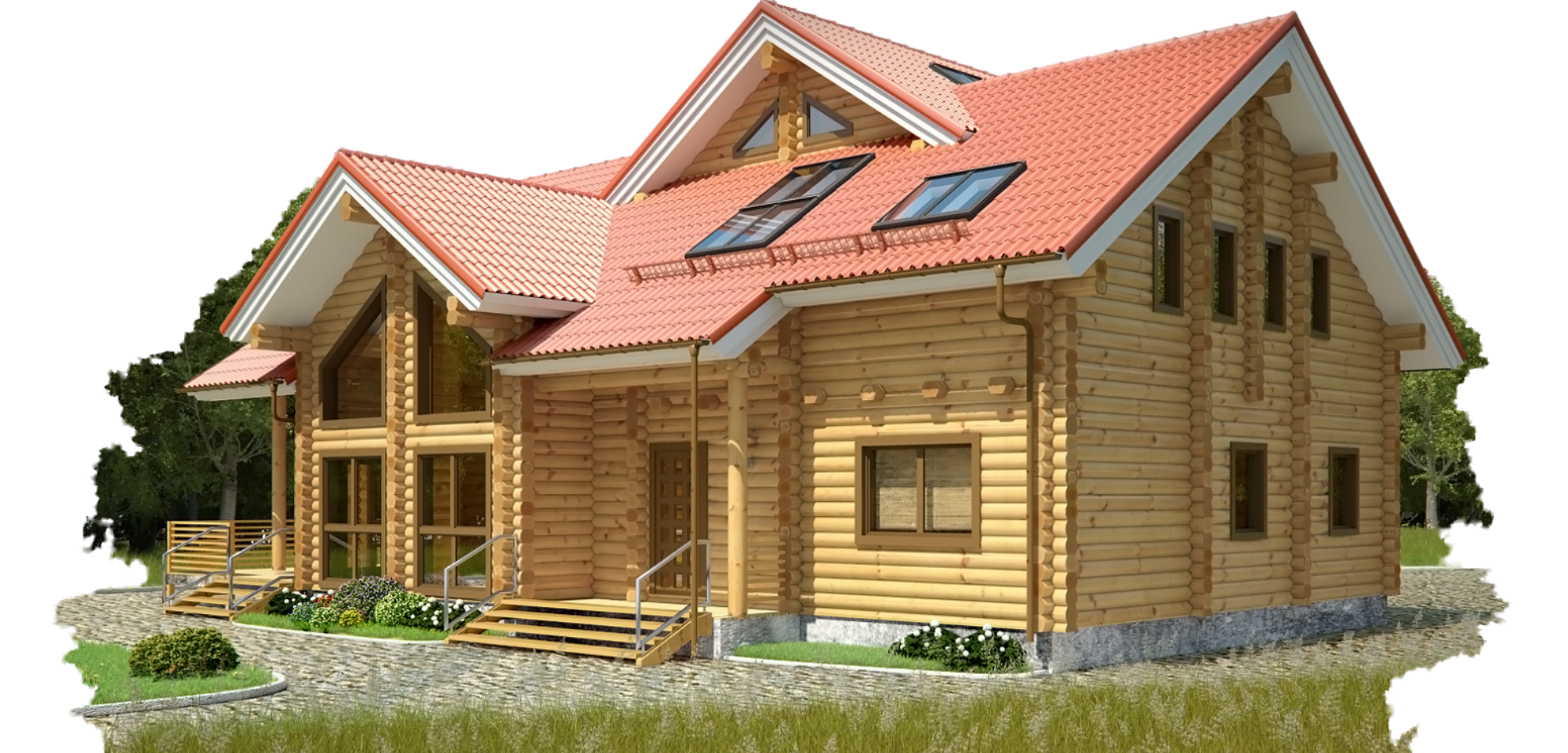
The Dominican Republic offers a remarkable spectrum of residential properties, catering to a wide array of tastes, budgets, and lifestyle aspirations. Whether you envision waking up to the gentle sound of waves, enjoying the security and amenities of a planned community, or seeking a charming, historically rich abode, the island nation presents compelling choices for every potential homeowner. This diversity ensures that the dream of owning a piece of paradise is attainable for many, from seasoned investors to first-time buyers.
Beachfront Villas and Luxury Condominiums
For those who dream of unparalleled ocean views and direct access to pristine sands, beachfront villas and luxury condominiums stand out as prime choices. These properties are often situated in sought-after coastal areas, such as Punta Cana, Cap Cana, and Las Terrenas, where the azure Caribbean Sea is the star attraction. Beachfront villas typically exude an air of exclusivity and spaciousness, featuring multiple bedrooms, private swimming pools, expansive terraces, and meticulously landscaped gardens.
Their architectural styles can range from contemporary chic to traditional Caribbean elegance, often incorporating natural materials like local stone and hardwood. The appeal of these villas lies not only in their luxurious appointments but also in their potential as vacation homes, offering an idyllic escape from the everyday. Furthermore, they represent significant investment opportunities, as the rental market for high-end vacation properties in these desirable locations remains robust.
Owners can enjoy personal use of their villa for a portion of the year and generate substantial rental income during their absence, often facilitated by professional property management services.Luxury condominiums, while sometimes offering less private land, provide a different, yet equally compelling, form of coastal living. These developments are frequently part of master-planned resorts, boasting shared amenities like infinity pools, gourmet restaurants, fitness centers, spas, and private beach clubs.
Condominium units themselves are characterized by high-quality finishes, modern designs, and breathtaking ocean or garden views. They are particularly attractive to individuals or couples seeking a more lock-and-leave lifestyle, where maintenance is handled by the resort management. The security and convenience offered by these developments, combined with their prime locations, make them ideal for both personal enjoyment and as lucrative rental investments.
The consistent demand for upscale vacation rentals in the Dominican Republic ensures that well-appointed condominiums can yield attractive returns, often with the added benefit of on-site services that enhance the guest experience. The lifestyle associated with these properties is one of effortless relaxation and sophisticated indulgence, where the beauty of the Caribbean is always within reach.
Residential Homes in Gated Communities
Gated communities have become a cornerstone of residential living in the Dominican Republic, offering a compelling blend of security, privacy, and community-focused amenities. These enclaves are designed to provide residents with peace of mind and a high quality of life, making them particularly attractive to families and individuals prioritizing safety and a structured living environment. The defining characteristic of a gated community is its controlled access, typically through manned security gates and perimeter fencing, which significantly enhances the feeling of security and limits unsolicited traffic.
This controlled environment allows residents to feel more comfortable allowing children to play outdoors and to leave their homes with greater confidence.Beyond security, these communities often boast an impressive array of amenities designed to foster an active and engaged lifestyle. Common features include well-maintained swimming pools, children’s play areas, sports courts (such as tennis and basketball), fitness centers, and sometimes even golf courses or clubhouses.
These shared facilities encourage social interaction among residents, creating a strong sense of community. For families, the presence of playgrounds, organized activities, and proximity to other families with children makes gated communities an ideal setting for raising a family. The homes within these communities are diverse, ranging from comfortable townhouses and apartments to spacious single-family residences, often built with a focus on modern design and functionality.
The landscaping is typically immaculate, with tree-lined streets and communal green spaces contributing to an aesthetically pleasing and tranquil atmosphere. Property values in well-managed gated communities tend to be stable, reflecting the ongoing investment in infrastructure, security, and shared facilities. The appeal is clear: a secure, amenity-rich, and family-friendly environment that provides a sanctuary from the outside world.
Affordable Housing Solutions
For buyers with more modest budgets, the Dominican Republic presents a variety of accessible housing options that do not compromise on the potential for a fulfilling Caribbean lifestyle. These solutions often involve looking beyond the most exclusive tourist zones and exploring urban centers or smaller, less developed towns. Apartments in cities like Santo Domingo, Santiago, or even smaller provincial capitals offer a practical and cost-effective way to own property.
These apartments can range from modern units in new developments to older, more established buildings, providing options for various preferences and price points. Living in an urban center offers the advantage of proximity to essential services, employment opportunities, cultural attractions, and a more authentic daily life experience. While they may lack private yards, many apartment complexes offer shared amenities such as swimming pools, security, and parking, providing a good balance of convenience and affordability.Moving away from the bustling cities, smaller homes in less tourist-centric areas represent another excellent avenue for budget-conscious buyers.
These could be modest houses in local villages or towns, offering a more immersive cultural experience and a slower pace of life. Such properties often require a willingness to embrace a more rustic or simpler lifestyle, but they come with a significantly lower price tag. The appeal here lies in the authenticity and the opportunity to become part of a local community.
These homes might be ideal for individuals seeking a peaceful retirement spot, a seasonal retreat, or simply a place to live more affordably. They can also be attractive for those looking for a renovation project, where a bit of investment can transform a basic structure into a charming personal haven. The key to finding these affordable gems is often through local real estate agents who are familiar with the less publicized markets, or by exploring areas that are on the cusp of development, offering future appreciation potential.
These options demonstrate that the dream of owning a home in the Dominican Republic is well within reach for a broader range of buyers.
A Day in a Colonial-Style Property in a Historic Town
The morning sun, a gentle caress through the intricately carved wooden shutters, signals the start of a day in a charming colonial-style home nestled within the cobblestone streets of a historic Dominican town. The air, still cool from the night, carries the faint aroma of freshly brewed Dominican coffee and perhaps the distant murmur of the local market preparing for the day.
Stepping onto the cool tile floors of the interior courtyard, a small oasis of tranquility, one might find a vibrant bougainvillea cascading over a weathered stone wall. The sounds of the town are subtle at first – a distant rooster crow, the rhythmic sweep of a broom on stone, the melodic calls of vendors setting up their stalls.Breakfast is a leisurely affair, perhaps enjoyed on a shaded veranda overlooking a small plaza, with the sounds of children playing and neighbors exchanging greetings.
The architecture itself tells a story: thick stone walls that have stood for centuries, high ceilings that invite the breeze, and wrought-iron balconies adorned with blooming flowers. After breakfast, a stroll through the town reveals its timeless beauty. The pastel-colored facades of neighboring buildings, the ornate doorways, and the centuries-old churches create a living museum. The pace of life here is unhurried, allowing for spontaneous conversations with locals, many of whom have lived in the town for generations.
Lunch might be a simple, delicious meal at a local eatery, savoring authentic Dominican flavors.The afternoon offers opportunities for quiet reflection within the cool embrace of the thick stone walls, perhaps reading a book in a sun-dappled corner or tending to a small herb garden in the courtyard. As the heat of the day subsides, the town square comes alive with a gentle buzz.
Families gather, friends meet, and the sounds of laughter and conversation fill the air. The evening might involve a simple dinner prepared at home, enjoyed al fresco under a sky ablaze with stars, or a visit to a local restaurant to enjoy live music. The experience of living in such a property is not just about owning a house; it’s about immersing oneself in history, culture, and a way of life that values connection, simplicity, and the enduring beauty of the past.
The rhythmic ebb and flow of daily life, punctuated by the enduring charm of the colonial architecture, creates a profound sense of belonging and timelessness.
Explore the practical steps and best practices for navigating the Dominican Republic’s real estate market to find desirable houses for sale.
Acquiring a property in a foreign country, such as the Dominican Republic, involves a structured approach to ensure a secure and successful transaction. This section delves into the essential practical steps and best practices that buyers should consider, from initial property search to the finalization of the purchase. Understanding these processes is crucial for making informed decisions and mitigating potential risks.Navigating the Dominican Republic’s real estate landscape requires diligence and a strategic mindset.
By following a systematic approach and leveraging the expertise of local professionals, prospective buyers can significantly enhance their chances of finding a property that perfectly matches their requirements and investment objectives. This guide Artikels the key phases of the property acquisition journey, emphasizing best practices at each stage.
The Role of Reputable Real Estate Agents and Legal Professionals
Engaging with trustworthy real estate agents and experienced legal professionals is paramount for a smooth and secure property acquisition in the Dominican Republic. These professionals act as your guides and advocates throughout the entire process, offering invaluable expertise and ensuring that all legalities are meticulously handled. A reputable real estate agent possesses in-depth knowledge of the local market, including current property values, available inventory, and neighborhood trends.
They can help narrow down your search based on your specific criteria, arrange viewings, and provide insights into the pros and cons of different properties and locations. Their network often includes reliable legal counsel, inspectors, and other service providers, streamlining the entire transaction.On the other hand, a qualified legal professional, typically a Dominican lawyer specializing in real estate law, is indispensable for protecting your interests.
They will conduct thorough due diligence on the property, verifying ownership, checking for any liens or encumbrances, and ensuring that all building permits and titles are in order. This is a critical step to avoid future legal complications. They will also explain the intricacies of Dominican property law, draft or review all necessary contracts and deeds, and guide you through the registration process.
Their role is to ensure that the transaction is legally sound and that you obtain clear and undisputed ownership of the property. Without their expertise, buyers are vulnerable to potential title fraud, undisclosed debts, or other legal challenges that could jeopardize their investment. Therefore, investing in competent legal representation is not merely an expense but a crucial safeguard for your peace of mind and financial security.
It is advisable to seek recommendations for both agents and lawyers from trusted sources or expatriate communities to ensure you are working with individuals of integrity and proven competence.
Effective Strategies for Searching and Identifying Properties
Developing effective search strategies is key to pinpointing houses for sale in the Dominican Republic that align with your unique needs and investment goals. This involves a combination of online research, local exploration, and a clear understanding of your priorities. Begin by defining your search criteria precisely. This includes not only your budget but also the desired location, property type (e.g., villa, apartment, beachfront condo), size, number of bedrooms and bathrooms, and essential amenities such as a pool, garden, or proximity to specific facilities like international airports or schools.
For instance, a retiree looking for a tranquil lifestyle might prioritize a property in a quieter, established community with good healthcare access, perhaps in regions like the North Coast near Puerto Plata. Conversely, an investor seeking rental income might focus on areas with high tourist traffic, such as Punta Cana or the Samaná Peninsula, looking for properties with a proven track record of rental demand and attractive amenities.Utilize online real estate portals that feature listings for the Dominican Republic, but be discerning.
Look for platforms that provide detailed property descriptions, high-quality images, and clear contact information for agents. Beyond online searches, consider visiting the country and exploring different regions firsthand. This allows you to gain a feel for the neighborhoods, assess the local infrastructure, and identify areas that might not be as widely advertised online but offer excellent value. Attending local open houses and connecting with local communities can also reveal off-market opportunities.
When evaluating properties, consider factors beyond the aesthetics. Research the local economy, potential for property appreciation, and the cost of living in the area. For example, if your goal is a vacation home, proximity to beaches, golf courses, or natural attractions will be high on your list. If it’s a permanent residence, access to amenities, safety, and community integration will be more critical.
A structured approach, combining defined criteria with broad exploration, will significantly increase your chances of finding the ideal house for sale.
Negotiation Process and Common Practices When Making an Offer
The negotiation process for houses for sale in the Dominican Republic, like in many markets, is a crucial stage where buyers can secure favorable terms. It typically begins after you have identified a property you wish to purchase and have conducted initial due diligence. The first step is to understand the property’s market value. Your real estate agent will be instrumental here, providing comparable sales data and their expert opinion on a fair offer price.
It is common practice to make an offer below the asking price, with the expectation of reaching a mutually agreeable figure through negotiation. The offer is usually presented in writing, often through the real estate agent, and should include the proposed purchase price, the proposed closing date, and any contingencies you wish to include.Common contingencies might include a satisfactory home inspection, the ability to secure financing, or the sale of your current property.
In the Dominican Republic, it is also wise to include a clause that the property is free from all liens and encumbrances, which your lawyer will thoroughly verify. The seller may accept your offer, reject it, or present a counteroffer. This back-and-forth can continue until an agreement is reached or negotiations break down. Be prepared to justify your offer, especially if it is significantly lower than the asking price, perhaps by referencing the property’s condition or recent market trends.
Patience and a clear understanding of your walk-away price are essential. Once an agreement is reached on the price and terms, a preliminary sales agreement (contrato de promesa de venta) is often signed, accompanied by a deposit, typically 10-20% of the purchase price. This agreement Artikels the final terms and conditions of the sale, and it is legally binding. Your lawyer will ensure this contract accurately reflects the agreed-upon terms and protects your interests before you commit financially.
Understanding these common practices will empower you to negotiate effectively and confidently.
A Scenario of Successful Property Purchase
Consider the case of Sarah and Mark, a couple from Canada seeking a retirement home in the Dominican Republic. They had a clear vision: a comfortable villa with ocean views in a peaceful, established community, offering a balance of tranquility and accessibility to amenities. They began their search online, utilizing reputable real estate portals and focusing on the North Coast, particularly areas around Sosúa and Cabarete, known for their expat communities and beautiful beaches.
They shortlisted several properties and then embarked on a trip to the Dominican Republic to view them in person. During their visit, they engaged with a highly recommended local real estate agent, Maria, who not only showed them their pre-selected properties but also introduced them to a few others that better fit their evolving needs.One property, a charming villa perched on a hillside with breathtaking ocean vistas, immediately captured their attention.
It was listed at $350,000 USD. Maria facilitated a meeting with the seller’s agent and provided them with initial property details. Sarah and Mark, armed with their defined budget and an understanding of market prices from their research, decided to make an offer. They consulted with a trusted Dominican real estate lawyer, Dr. Ramirez, who they had found through an expat forum.
Dr. Ramirez advised them on the typical negotiation range and the importance of a thorough inspection. They submitted a written offer of $320,000 USD, contingent on a professional home inspection and clear title verification. The seller countered at $335,000 USD. After a brief negotiation, they agreed on $330,000 USD.
Dr. Ramirez then initiated the due diligence process. He meticulously examined the property’s title, ensuring there were no outstanding debts or legal disputes. He also arranged for a structural engineer to conduct a comprehensive inspection, which identified a minor issue with the roof that the seller agreed to rectify before closing. The entire process, from offer to closing, took approximately two months.
Maria’s local expertise, Dr. Ramirez’s diligent legal work, and Sarah and Mark’s clear communication and preparedness were instrumental in their successful and stress-free acquisition of their dream retirement home in the Dominican Republic.
Investing in Dominican Republic Real Estate: Rental Income Potential
Investing in houses for sale in the Dominican Republic presents a compelling opportunity for those looking to generate rental income. The island’s allure as a tourist hotspot, coupled with a growing expatriate community, creates a consistent demand for both short-term vacation rentals and long-term residential leases. Understanding the factors that drive this demand and the types of properties that best suit different rental strategies is crucial for maximizing returns.
This section delves into the economic drivers of the rental market, the nuances of property performance for various rental types, the practicalities of managing properties from afar, and a comparative analysis of investment potential across different segments of the Dominican Republic’s real estate landscape.
Factors Contributing to a Strong Rental Market in Popular Tourist Destinations
The Dominican Republic’s robust tourism industry is a primary engine fueling a strong rental market, particularly in its renowned coastal regions. Several interconnected factors contribute to this sustained demand. High occupancy rates are a direct consequence of the country’s appeal as a year-round destination, attracting visitors seeking sun, sand, and vibrant culture. Major tourist hubs like Punta Cana, Puerto Plata, and the Samaná Peninsula consistently experience high seasonal and off-season occupancy for vacation rentals, often exceeding 70-80% during peak periods.
This high demand translates into attractive average rental yields, which can range from 5% to 12% annually, depending on the property’s location, amenities, and management. Factors influencing these yields include the proximity to beaches, golf courses, and other attractions, as well as the quality of the property and its rental management. Furthermore, the increasing popularity of all-inclusive resorts has, in some ways, spurred demand for alternative accommodations like private villas and apartments, catering to travelers seeking a more personalized or family-oriented experience.
The relatively affordable cost of living and property ownership compared to many North American and European destinations also makes the Dominican Republic an attractive option for long-term renters, including retirees and digital nomads, further bolstering the rental market. The development of new infrastructure, such as improved airports and road networks, enhances accessibility and visitor experience, directly contributing to sustained rental demand.
The Dominican government’s efforts to promote tourism and foreign investment also play a significant role in creating a stable and attractive environment for property owners looking to rent out their investments.
Property Types for Short-Term Vacation Rentals vs. Long-Term Residential Leases, Houses for Sale in Dominican Republic
The optimal property type for generating rental income in the Dominican Republic often hinges on whether the strategy is focused on short-term vacation rentals or long-term residential leases. For short-term vacation rentals, properties that offer unique experiences and cater to tourist needs typically perform best. This includes beachfront villas with private pools, spacious condos in resort complexes with amenities like communal pools and direct beach access, and charming bungalows in popular tourist towns.
These properties are often marketed to families, groups of friends, or couples seeking a temporary escape. Key features that enhance their appeal include modern furnishings, well-equipped kitchens, reliable Wi-Fi, air conditioning, and proximity to attractions, restaurants, and entertainment. The ability to accommodate multiple guests comfortably is also a significant advantage. For example, a four-bedroom villa in Punta Cana with a private pool and ocean views can command premium rates during peak season.
On the other hand, properties that excel as long-term residential leases tend to be more practical and geared towards residents or expatriates seeking a more permanent or semi-permanent home. This category often includes apartments in secure residential communities, townhouses, and smaller single-family homes located in or near urban centers, business districts, or areas with good local amenities like schools and shopping.
These rentals typically offer a more stable income stream with less frequent turnover compared to vacation rentals. Properties with reliable utility services, adequate living space, and convenient access to daily necessities are prioritized. For instance, a two-bedroom apartment in Santo Domingo, located near a business hub and public transportation, is well-suited for professionals or students looking for a year-round rental.
The demand for long-term rentals is also influenced by the presence of a local workforce and a growing expatriate population seeking more affordable and stable housing options.
Responsibilities and Potential Challenges of Managing Rental Properties from Abroad
Managing rental properties in the Dominican Republic from abroad comes with a distinct set of responsibilities and potential challenges that prospective investors must carefully consider. The most significant responsibility is ensuring the property is well-maintained and consistently occupied. This involves arranging for regular cleaning, repairs, and general upkeep, which can be difficult to oversee from a distance. Finding reliable local contacts, such as property managers, maintenance crews, and cleaning services, is paramount.
A reputable property management company can handle tenant screening, rent collection, lease agreements, and address any issues that arise, but their fees can impact profitability. Another challenge is navigating local legal and tax regulations. Understanding landlord-tenant laws, property taxes, and any income tax liabilities associated with rental income is essential. This often requires engaging with local legal counsel or accountants to ensure compliance.
For short-term rentals, marketing and booking management can be time-consuming. This includes creating appealing listings on various platforms, responding to inquiries promptly, and managing the booking calendar to avoid double bookings. Currency exchange rate fluctuations can also pose a challenge, potentially affecting the net income received in the investor’s home currency. Furthermore, unexpected maintenance issues, such as plumbing problems or hurricane damage, can arise and require immediate attention, necessitating a trusted local team to manage these situations effectively.
Building a strong network of reliable professionals is therefore a critical step in mitigating these challenges and ensuring a smooth rental operation. The language barrier can also present difficulties, making clear communication with service providers and tenants vital.
Comparative Overview of Investment Potential in Different Property Types and Locations
The investment potential for houses for sale in the Dominican Republic varies significantly based on the type of property and its geographical location, offering distinct advantages and considerations for investors.
- Beachfront Villas and Luxury Condos in Tourist Hotspots (e.g., Punta Cana, Cap Cana, Las Terrenas):
- Investment Potential: High. These properties attract premium rental rates for short-term vacation rentals due to their desirable locations and amenities.
- Rental Income: Can achieve high occupancy rates and strong yields, especially during peak tourist seasons. Average annual yields can range from 8% to 12%.
- Target Market: International tourists, families, and groups seeking luxury vacation experiences.
- Challenges: Higher initial investment cost, potential for seasonal income fluctuations, and higher management fees for comprehensive services.
- Example: A 3-bedroom beachfront villa in Punta Cana could generate upwards of $500-$1000 per night during high season.
- Apartments and Townhouses in Urban Centers (e.g., Santo Domingo, Santiago):
- Investment Potential: Moderate to High. These properties cater to a consistent demand from locals, expatriates, and business travelers for long-term leases.
- Rental Income: Offers more stable, year-round income with lower vacancy rates. Average annual yields typically range from 5% to 8%.
- Target Market: Local professionals, students, expatriate residents, and business travelers.
- Challenges: Lower per-night rental rates compared to tourist destinations, potential for higher property management overhead in dense urban areas.
- Example: A 2-bedroom apartment in a secure residential complex in Santo Domingo could rent for $600-$1000 per month on a long-term lease.
- Inland Properties and Smaller Homes in Developing Areas:
- Investment Potential: Moderate. Can offer lower entry prices and potential for capital appreciation as areas develop.
- Rental Income: Rental yields may be lower, but the cost of acquisition is also reduced. Suitable for long-term rentals to local families or individuals seeking more affordable housing.
- Target Market: Local residents, individuals seeking a more authentic living experience away from major tourist hubs.
- Challenges: May require more investment in property improvements, potentially lower rental demand, and less developed infrastructure.
- Example: A 3-bedroom house in a smaller town could be purchased for under $100,000 and rented out for $300-$500 per month.
- Commercial Properties (e.g., retail spaces, small office units):
- Investment Potential: Variable. Depends heavily on the specific location and the local economy’s strength.
- Rental Income: Can provide consistent income, but requires specialized knowledge of commercial real estate and market trends.
- Target Market: Local businesses, service providers, and entrepreneurs.
- Challenges: Longer vacancy periods are possible, lease negotiations can be complex, and market demand can be more volatile than residential.
Conclusion

Embarking on the journey to purchase houses for sale in the Dominican Republic is an exciting endeavor, rich with possibilities for both personal enjoyment and financial growth. By understanding the nuances of the market, from the most sought-after regions and property types to the essential legal and financial considerations, prospective buyers can navigate the process with confidence. This guide has aimed to equip you with the knowledge to make informed decisions, ultimately leading to a successful acquisition and the realization of your Caribbean dream.
The allure of the Dominican Republic’s real estate market, coupled with careful planning and expert guidance, promises a rewarding experience for every homeowner and investor.
FAQ Insights
What is the typical process for a foreigner to buy property in the Dominican Republic?
Foreigners can generally buy property in the Dominican Republic with relative ease. The process involves identifying a property, conducting due diligence (title searches, verifying ownership), signing a purchase agreement, and then proceeding to the closing, which includes notarization and registration of the deed. It’s highly recommended to work with a reputable local real estate agent and an experienced attorney specializing in real estate transactions for foreigners.
Are there any restrictions on foreign ownership of property in the Dominican Republic?
While there are very few restrictions, foreigners cannot directly own property within a certain proximity to the national border or military installations. However, these areas are generally not where most residential properties are located. For most standard residential purchases, foreign ownership is straightforward.
What are the main ongoing costs associated with owning property in the Dominican Republic?
Ongoing costs typically include annual property taxes (if applicable, based on property value and exemptions), homeowner association fees (for properties in gated communities or condos), utilities (electricity, water, internet), and potentially property management fees if you plan to rent out your property while you are away.
Is it advisable to hire a lawyer when purchasing property as a foreigner?
Absolutely. Hiring an independent lawyer is crucial for foreigners. They will conduct thorough due diligence, review all contracts, ensure clear title, and guide you through the legal complexities of the transaction, protecting your interests throughout the process.
What is the average time frame for completing a property purchase in the Dominican Republic?
The typical timeframe for completing a property purchase can range from 45 to 90 days, depending on the complexity of the transaction, the speed of title searches, and the efficiency of the legal and administrative processes. Sometimes, it can be quicker or take longer if there are specific circumstances.