Luxury home price is a fascinating subject, reflecting a complex interplay of tangible assets and intangible appeal. Understanding what drives the valuation of these prestigious properties requires a deep dive into various influencing elements, from prime locations and exquisite materials to the subtle nuances of market sentiment and buyer psychology.
This exploration delves into the multifaceted nature of luxury real estate pricing. We will examine the fundamental components that contribute to a high-end residence’s worth, the economic forces that shape its market, the psychological factors influencing buyer decisions, the art of strategic marketing, and the long-term investment potential of these opulent dwellings.
Understanding the nuanced impact of market dynamics and economic indicators on the stratospheric pricing of prestigious abodes requires a keen observation of subtle shifts.

The allure of a luxury home is undeniable, but its stratospheric price tag is rarely a product of mere aesthetics or location alone. A complex interplay of market dynamics and economic indicators forms the bedrock upon which these exceptional valuations are built. Understanding these forces is crucial for anyone seeking to navigate or comprehend the high-end real estate landscape.These factors, often subtle in their manifestation, dictate the ebb and flow of demand, supply, and ultimately, the astronomical figures associated with prestigious properties.
From the cost of borrowing to the confidence of global investors, each element contributes to the unique pricing architecture of luxury real estate.
Interest Rates, Inflation, and Luxury Property Affordability, Luxury home price
The relationship between interest rates, inflation, and the affordability of exceptionally expensive properties for potential buyers is multifaceted, often creating a delicate balancing act. When interest rates are low, the cost of borrowing decreases, making larger mortgages more accessible. This can significantly enhance the affordability of high-value homes, as monthly payments become more manageable relative to the overall price. For instance, a substantial reduction in interest rates can effectively lower the perceived cost of a multi-million dollar property, attracting a broader segment of affluent buyers who might have previously found the financing prohibitive.Conversely, rising interest rates have a direct dampening effect on affordability.
As borrowing costs climb, the monthly mortgage payments for a luxury home escalate considerably. This can push some potential buyers out of the market or force them to reconsider their budget, leading to a decrease in demand for the most expensive properties. Inflation also plays a critical role. While moderate inflation can sometimes be associated with rising asset values, including real estate, high or unpredictable inflation can erode purchasing power and create economic uncertainty.
For luxury buyers, particularly those whose wealth is not directly tied to inflation-hedging assets, the erosion of their disposable income or investment returns due to inflation can make acquiring a high-priced home a less attractive proposition.Furthermore, the psychological impact of interest rate hikes and inflationary pressures can influence buyer confidence. In an environment of increasing costs and potential economic slowdown, even wealthy individuals may adopt a more cautious approach to major investments like luxury real estate.
This can lead to a softening of demand, even if outright affordability remains technically within reach for some. The affordability equation for luxury homes is thus not solely about the absolute price, but also about the cost of capital, the stability of wealth, and the overall economic sentiment that influences the decision-making of a discerning buyer.
Local Versus Global Economic Trends in Luxury Real Estate
The influence of local versus global economic trends on the demand and supply of luxury real estate is a critical differentiator, creating distinct market behaviors in various geographical areas. Local economic factors often exert a more immediate and pronounced impact. This includes the health of the local job market, the presence of high-paying industries, and the growth of wealth within the immediate community.
For example, a city experiencing a boom in tech or finance sectors will likely see increased demand for luxury homes as highly paid professionals seek premium residences. Local development projects, such as new cultural institutions or luxury retail districts, can also enhance the desirability and thus the prices of surrounding high-end properties. Supply-side dynamics are also locally driven, with zoning laws, construction costs, and the availability of prime land significantly shaping the inventory of luxury homes.On the other hand, global economic trends provide a broader context and can significantly influence demand and supply, particularly in gateway cities and prime resort destinations.
Foreign capital inflows, driven by global economic stability, currency exchange rates, and international investment opportunities, are a major determinant of luxury real estate prices worldwide. For instance, a strong US dollar might make American luxury properties more attractive to international buyers, while a weakening Euro could spur demand for prime European residences from those holding stronger currencies. Global economic prosperity often fuels a desire for diversification and investment in tangible assets like real estate, leading to increased demand for luxury homes as safe havens or status symbols.
Conversely, global recessions or geopolitical instability can lead to capital flight and a reduction in foreign investment, impacting the demand for luxury properties in previously sought-after markets.The interplay between these two forces is dynamic. A strong local economy can be amplified by positive global trends, leading to unprecedented price growth. Conversely, a robust local market can sometimes weather global downturns better than less economically diverse regions, though sustained global weakness will eventually impact even the most resilient local luxury markets.
Economic Prosperity and Recession Manifestations in Luxury Housing
Periods of economic prosperity and recession manifest distinctly in the luxury housing sector compared to the broader real estate market, often showcasing amplified responses. During economic booms, the luxury housing market tends to experience accelerated growth. Increased disposable incomes, robust stock market performance, and a general sense of optimism lead affluent individuals and investors to channel more capital into high-value real estate.
This often translates into bidding wars, rapid price appreciation, and a surge in new luxury developments. The demand for bespoke finishes, expansive amenities, and prime locations becomes insatiable, pushing prices to new stratospheric levels. For example, during periods of significant economic expansion, the sales velocity of ultra-luxury properties can increase dramatically, with homes selling well above asking price.In contrast, during economic recessions, the luxury housing sector often experiences a more pronounced downturn than the general market.
While essential housing needs continue to drive demand in the broader market, luxury purchases are often discretionary. As wealth is perceived to be at risk, stock portfolios decline, and economic uncertainty prevails, potential luxury buyers tend to become more risk-averse. This can lead to a significant drop in demand, an increase in inventory as sellers become more motivated, and a sharper decline in prices.
Sellers may need to significantly reduce their asking prices to attract buyers, and the time on market for luxury properties can extend considerably. For instance, during the 2008 financial crisis, many prime luxury markets saw price corrections that were steeper and more prolonged than those in mid-tier or entry-level housing segments. However, it’s important to note that the most resilient luxury markets, often those with strong international appeal or backed by substantial underlying wealth, may experience a less severe or shorter-lived downturn compared to other luxury enclaves.
Investor Sentiment and Foreign Capital Inflows in High-Value Homes
Investor sentiment and foreign capital inflows play a pivotal role in shaping the price trajectory of high-value homes, particularly in prime urban and resort destinations. Investor sentiment, a measure of the optimism or pessimism of investors, can significantly influence demand. Positive sentiment, often fueled by economic stability, strong market performance, and a belief in future appreciation, encourages both domestic and international investors to allocate capital towards luxury real estate.
This can create a self-fulfilling prophecy where rising prices and strong demand reinforce each other. For example, if major financial institutions forecast continued growth in a specific luxury market, it can attract a wave of investors eager to capitalize on the perceived opportunity.Foreign capital inflows are a critical component of this dynamic, especially in global cities and desirable vacation spots.
These inflows are often driven by a desire for diversification, wealth preservation, or as a safe haven for capital. When global economic conditions are favorable, or when certain currencies are strong relative to others, foreign buyers are more likely to invest in high-value properties in established luxury markets. Cities like London, New York, and Vancouver have historically seen significant price increases directly correlated with substantial foreign investment.
These buyers are often less sensitive to local interest rate fluctuations or minor economic headwinds, as their investment decisions are based on a broader global financial strategy.Conversely, shifts in investor sentiment or geopolitical events that disrupt foreign capital flows can have a dramatic impact. A sudden increase in political risk or unfavorable currency movements can lead to a rapid withdrawal of foreign capital, causing a sharp decline in demand and prices for luxury homes.
For instance, changes in foreign ownership regulations or increased taxation on overseas buyers in countries like Australia have, in the past, led to noticeable slowdowns in their luxury property markets. The ability of a luxury market to attract and retain foreign capital is therefore a key indicator of its long-term price stability and growth potential.
The psychological and emotional factors that buyers associate with acquiring a mansion or estate play a surprisingly significant role in their willingness to pay a premium.: Luxury Home Price
Beyond the tangible aspects of square footage, architectural grandeur, and prime location, the purchase of a luxury property is deeply intertwined with a buyer’s aspirations, sense of self, and desired social positioning. These emotional and psychological drivers are not merely secondary considerations; they are fundamental to understanding the stratospheric valuations seen in the high-end real estate market. The desire for a home that reflects not just wealth, but a curated lifestyle and a certain status, is a powerful motivator that often eclipses purely rational financial calculations.
Aspirational Buying and the Symbolism of Success
Aspirational buying is a core tenet in the luxury market, particularly for mansions and estates. It describes the phenomenon where individuals purchase goods and services not solely for their functional utility, but for the symbolic meaning they convey and the aspirational lifestyle they represent. For these buyers, a grand property is more than just a dwelling; it is a tangible manifestation of their achievements, a testament to their success, and a powerful statement of social standing.
Owning a prestigious address can provide a profound sense of accomplishment, validating years of hard work and ambition. This is often fueled by media portrayals and societal narratives that equate large, opulent homes with the pinnacle of personal and professional success. The demand for such properties is therefore not just about shelter, but about acquiring an icon of achievement. This psychological need for validation and recognition drives a willingness to pay a premium, as the property itself becomes an integral part of their personal brand and public persona.
The desire to “live the dream” often translates into a willingness to invest significantly in a property that embodies that dream, creating a robust demand that supports elevated price points.
Exclusivity, Rarity, and the Justification of Premium Pricing
The principles of exclusivity and rarity are potent psychological levers in the luxury real estate market. When a property is perceived as unique, scarce, or one-of-a-kind, its desirability and perceived value skyrocket. This is rooted in the economic concept that scarcity increases demand and allows for higher pricing. For luxury buyers, owning something that few others can possess is a significant part of the allure.
It differentiates them and reinforces their sense of having access to the truly exceptional. This rarity can stem from various factors: a limited number of properties in a highly sought-after enclave, a unique architectural design, an unparalleled natural setting, or a specific historical lineage. The knowledge that a particular estate is unlikely to come onto the market again soon, or that its particular combination of features is inimitable, creates a sense of urgency and justifies a premium price.
Buyers are often willing to pay more to secure a property that offers a distinct advantage in terms of prestige and uniqueness, knowing that such opportunities are fleeting.
The Narrative Power of Prestigious Properties
The story or narrative attached to a prestigious property can significantly amplify its allure and market price, transforming it from a mere structure into a coveted artifact. Historical significance, for instance, imbues a property with a sense of legacy and permanence. An estate that once belonged to a renowned historical figure, hosted pivotal events, or boasts centuries of architectural evolution carries an intangible value that resonates deeply with certain buyers.
You also will receive the benefits of visiting houses for sale in florida today.
This narrative creates an emotional connection, allowing buyers to envision themselves as custodians of history, a role that carries its own prestige. Similarly, a connection to notable individuals, whether from the arts, business, or politics, adds a layer of aspirational desirability. Buyers may be drawn to the idea of living in a space that has been touched by greatness, believing that some of that aura might transfer to them.
This narrative element elevates the property beyond its physical attributes, making it a conversation piece and a symbol of refined taste and cultural capital. This emotional resonance often translates directly into a willingness to pay a higher price, as the property offers more than just a home; it offers a piece of history and a connection to a celebrated past.
Perceived Lifestyle Benefits and Investment Decisions
The perceived lifestyle benefits associated with owning a mansion or estate play a crucial role in a buyer’s decision-making process, particularly when considering a substantial investment. These benefits extend far beyond the physical comforts of a large home. Privacy is paramount; expansive grounds and discreet entrances offer a sanctuary from public scrutiny, a highly valued commodity for individuals in the public eye or those who simply cherish their personal space.
Security is another significant factor, with luxury properties often featuring advanced surveillance systems, gated communities, and dedicated security personnel, providing peace of mind. Furthermore, owning such a property can grant access to elite social circles. These homes often serve as venues for exclusive gatherings and events, fostering connections with peers who share similar lifestyles and aspirations. The ability to entertain in a grand setting, to host influential figures, and to participate in a rarefied social ecosystem is a powerful draw.
Notice beach houses for sale in florida for recommendations and other broad suggestions.
These lifestyle advantages, though intangible, are deeply valued and contribute significantly to the buyer’s perceived return on investment, justifying the substantial financial outlay. The decision is not just about acquiring bricks and mortar, but about investing in a lifestyle, a social standing, and a profound sense of personal fulfillment.
The strategic presentation and marketing of a lavish property can dramatically alter its perceived value and attract the right caliber of discerning clientele.
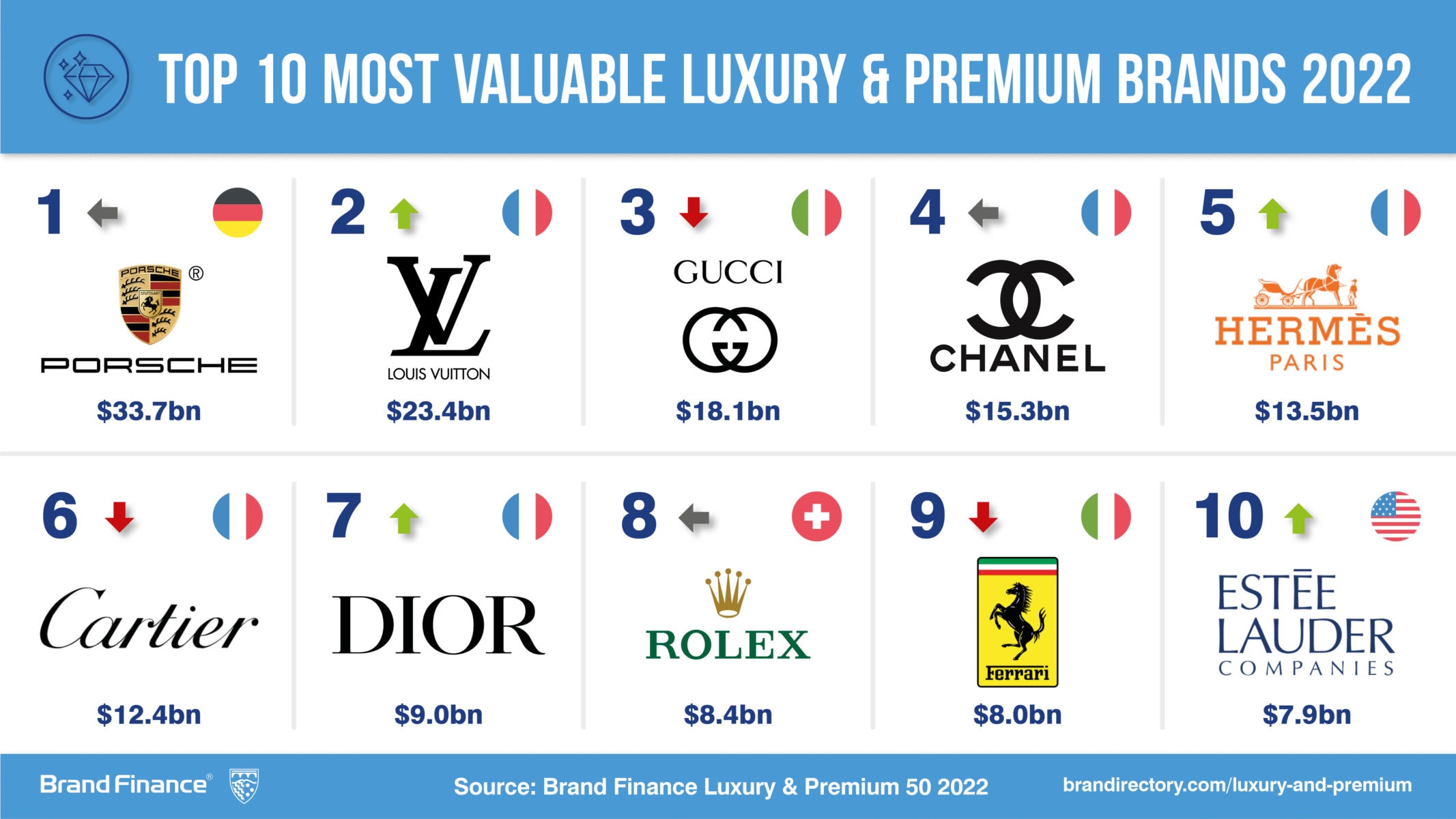
Beyond the intrinsic architectural marvels and prime locations, the way a luxury residence is presented to the world is paramount. A meticulously crafted marketing campaign doesn’t just showcase features; it curates an aspirational narrative, a lifestyle proposition that resonates deeply with ultra-affluent buyers. This strategic approach is not merely about selling a house; it’s about selling a dream, an exclusive experience, and a legacy.
The subtle nuances of visual storytelling, targeted outreach, and personalized engagement are the cornerstones of transforming a magnificent dwelling into an irresistible acquisition.
Essential Components of a High-Impact Marketing Campaign for an Ultra-Luxury Residence
An effective marketing campaign for a prestigious property is a multi-faceted endeavor, demanding precision, artistry, and an intimate understanding of the target demographic. It requires a synergistic blend of visual excellence, compelling narrative, and exclusive access. The objective is to create an aura of desirability and exclusivity that captivates potential buyers from the initial point of contact.The essential components can be broadly categorized as follows:
- Professional Staging: This involves furnishing and decorating the property to highlight its architectural strengths and create an appealing lifestyle ambiance. It’s about transforming empty spaces into inviting, aspirational environments that buyers can envision themselves inhabiting.
- High-Resolution Photography and Videography: Stunning visual assets are non-negotiable. This includes professional, artfully composed photographs that capture the property’s grandeur and key features, as well as cinematic-quality video tours that offer an immersive experience, showcasing the flow, scale, and unique attributes of the estate.
- Compelling Property Descriptions: The written word must be as captivating as the visuals. Descriptions need to be evocative, highlighting unique selling propositions, historical significance, artisanal craftsmanship, and the unparalleled lifestyle the property offers.
- Targeted Digital Marketing: Utilizing sophisticated digital platforms and data analytics to reach affluent individuals through channels they frequent, such as luxury lifestyle publications, exclusive real estate portals, and targeted social media campaigns.
- Exclusive Print Advertising: Placement in high-end magazines and publications that cater to the wealth demographic, ensuring visibility within their preferred reading material.
- Public Relations and Media Outreach: Generating buzz through strategic press releases and media placements in reputable luxury and real estate publications, creating editorial features that build credibility and desire.
- Private Viewings and Bespoke Events: Offering highly personalized and discreet viewing experiences, often by invitation only. For truly exceptional properties, exclusive preview events can be orchestrated for a select group of pre-qualified buyers and their representatives.
- Partnerships with Luxury Brands: Collaborating with complementary luxury brands (e.g., automotive, yachting, fine art) for cross-promotional opportunities, further associating the property with an elite lifestyle.
Hypothetical Scenario: Transforming Appeal Through Professional Presentation
Consider a sprawling Tuscan-inspired villa nestled in the Hollywood Hills, featuring breathtaking ocean views, meticulously manicured gardens, and an expansive wine cellar. Without professional intervention, its inherent beauty might be understated.Let’s imagine the transformation:The villa is first meticulously staged. Warm, luxurious furnishings are introduced, complementing the existing architectural style. Plush velvet sofas, antique rugs, and curated art pieces are strategically placed to create inviting living spaces.
The kitchen is outfitted with gourmet cookware, suggesting a culinary haven, while bedrooms are styled as serene retreats.Next, a team of renowned photographers and videographers capture the property. Sunlight streams through arched windows, highlighting the intricate stonework. Aerial drone footage showcases the panoramic vistas and the seamless integration of the house with its natural surroundings. A cinematic video tour is produced, featuring smooth camera movements that guide viewers through the grand foyer, the opulent master suite, the state-of-the-art home theater, and the expansive outdoor entertaining areas, complete with a serene infinity pool.
The narrative of the video emphasizes tranquility, grandeur, and unparalleled entertainment potential.The result is a property that doesn’t just have features, but a palpable sense of atmosphere and desirability. The staging and high-quality visuals transform the villa from a mere structure into an aspirational lifestyle, making it significantly more appealing to discerning buyers who seek not just a home, but an estate that reflects their status and taste.
Targeting Affluent Buyers Through Exclusive Channels and Private Viewings
Reaching the ultra-affluent demographic requires a departure from mass-market tactics. Discretion, exclusivity, and personalized service are paramount. The approach must be sophisticated and tailored, respecting the privacy and time of potential buyers.Key considerations for targeting affluent buyers include:
- Pre-Qualification and Vetting: Implementing a rigorous process to ensure that potential buyers are genuinely qualified and serious, thereby protecting the seller’s privacy and the property’s exclusivity.
- Exclusive Online Portals: Listing on specialized luxury real estate websites and platforms that cater exclusively to high-net-worth individuals, such as Mansion Global, Luxury Portfolio International, and specific private listing networks.
- Private Broker Networks: Leveraging relationships with top-tier real estate brokers who specialize in the luxury market and have established networks of affluent clientele.
- Invitation-Only Events: Hosting exclusive, by-invitation-only open houses or cocktail receptions for a curated list of potential buyers and their advisors. These events offer an intimate setting to experience the property.
- One-on-One Private Showings: Arranging personalized tours at times convenient for the buyer, allowing for a relaxed and in-depth exploration of the property without the distraction of larger groups. The agent acts as a knowledgeable concierge, anticipating needs and providing detailed information.
- Confidentiality Agreements: Employing Non-Disclosure Agreements (NDAs) for serious inquiries, particularly for off-market or highly sensitive listings, to ensure the utmost discretion.
This targeted approach ensures that marketing efforts are efficient, effective, and align with the expectations of a discerning clientele who value privacy and bespoke experiences.
Crafting Compelling Property Descriptions
The narrative accompanying a luxury property is as crucial as its physical attributes. A well-crafted description goes beyond listing facts; it weaves a story, evoking emotions and painting a vivid picture of the life that awaits the buyer. It must resonate with their aspirations, desires, and sense of belonging.The importance of compelling property descriptions lies in their ability to:
- Highlight Unique Selling Propositions (USPs): Identifying and emphasizing what makes the property truly exceptional. This could be a historical pedigree, an award-winning architectural design, rare materials, unparalleled views, or unique amenities like a private helipad or a championship-sized tennis court. For example, a description might state: “This 18th-century estate, meticulously restored by renowned architect [Architect’s Name], boasts original hand-painted frescoes and a private vineyard producing award-winning vintages.”
- Evoke a Sense of Desire: Using evocative language to stir emotions and create an immediate connection. Instead of “large living room,” a description might read: “The grand salon, bathed in natural light, offers a breathtaking panorama of the coastline, perfect for hosting unforgettable soirées.”
- Convey a Sense of Belonging: Appealing to the buyer’s desire for a lifestyle and a community. Descriptions can hint at the neighborhood’s prestige, its proximity to exclusive clubs, top-tier schools, or cultural attractions. Phrases like “a sanctuary of unparalleled privacy” or “an estate befitting royalty” can foster this feeling.
- Detail Craftsmanship and Quality: Elaborating on the quality of materials, the precision of construction, and the artisanal details that define luxury. Mentioning “bespoke cabinetry crafted from rare mahogany” or “hand-cut marble flooring imported from Italy” adds significant perceived value.
- Emphasize the Lifestyle Proposition: Clearly articulating the experience of living in the property. For instance, “Imagine waking to the gentle sound of waves, enjoying breakfast on your expansive terrace, and spending your afternoons exploring the vibrant local culture, all from the comfort of your private oasis.”
Ultimately, a compelling description acts as a powerful persuasive tool, transforming a property listing into an irresistible invitation to a life of unparalleled luxury and distinction.
The long-term appreciation potential and investment viability of an opulent residence are often tied to a confluence of strategic development and evolving neighborhood desirability.

Beyond the immediate allure and emotional resonance of a luxury property, its enduring value as an investment hinges on a sophisticated interplay of external factors and proactive stewardship. The trajectory of a prestigious home’s worth is not solely dictated by its intrinsic features but is significantly shaped by the evolving landscape of its surroundings and the foresight applied to its development and preservation.
This appreciation is a dynamic process, influenced by both large-scale urban initiatives and meticulous attention to detail.
Infrastructure Development and High-End Amenities
The introduction of robust infrastructure and desirable high-end amenities within a locale acts as a powerful catalyst for the appreciation of existing luxury homes. These developments signal a commitment to enhancing the quality of life and accessibility, thereby attracting a more affluent demographic and bolstering property values across the board. The ripple effect of such improvements can transform a desirable area into an aspirational one.When an area experiences significant infrastructure upgrades, such as the expansion of public transportation networks, improved road systems, or the development of advanced utility services, it directly enhances the convenience and connectivity for residents.
For instance, the addition of a high-speed rail link to a previously less accessible but picturesque region can suddenly place luxury properties within commuting distance of major employment hubs, significantly broadening the buyer pool and driving up demand. Similarly, the development of new, state-of-the-art healthcare facilities, prestigious educational institutions, or world-class retail and dining establishments creates a self-contained ecosystem of convenience and exclusivity.
These amenities not only cater to the discerning tastes of luxury homeowners but also foster a sense of community and desirability that is difficult to replicate. The presence of a renowned art gallery, a championship golf course, or a private marina can transform a neighborhood into a sought-after destination, making the properties within it more attractive and, consequently, more valuable over time.
Consider the transformation of areas like Silicon Valley, where the initial development of tech campuses spurred a cascade of infrastructure and amenity growth, leading to exponential increases in luxury property values. This demonstrates how strategic development creates a positive feedback loop, where enhanced infrastructure and amenities attract affluent residents, who in turn demand and support further development, solidifying the long-term investment viability of opulent residences.
Zoning Regulations and Urban Planning Initiatives
The careful implementation of zoning regulations and thoughtful urban planning initiatives plays a crucial role in preserving the exclusivity and future appeal of affluent residential enclaves. These measures act as guardians of a neighborhood’s character, ensuring that its desirability is not diluted by incompatible development.Zoning laws are instrumental in dictating what types of structures can be built, their height and density, and the permissible uses of land within a specific area.
For affluent enclaves, this often translates into regulations that restrict commercial development, maintain large lot sizes, and mandate architectural guidelines that preserve a consistent aesthetic. For example, in established luxury neighborhoods, zoning might prohibit the construction of high-rise apartment buildings or strip malls, thereby safeguarding the low-density, residential character that attracts and retains high-net-worth individuals. Urban planning initiatives go hand-in-hand with zoning, focusing on the holistic development of an area.
This can include the creation and maintenance of extensive green spaces, parks, and recreational facilities, as well as the strategic placement of public services that cater to the needs of the residents without compromising the tranquility of the area. Initiatives that focus on maintaining low traffic volumes, ensuring high standards of public safety, and promoting a clean and well-maintained environment are all critical components of safeguarding exclusivity.
The preservation of historical districts, often enforced through strict zoning and planning, is another key strategy. By protecting the architectural heritage and character of an area, urban planners ensure that it remains a unique and desirable place to live, thereby protecting the investment value of the homes within it. The success of areas like Beverly Hills or certain districts in London, which have meticulously maintained their exclusive character through stringent planning, serves as a testament to the power of these regulatory frameworks in safeguarding long-term appeal and property values.
Discover how homes mobile homes has transformed methods in this topic.
Historical Preservation and Architectural Integrity
The commitment to historical preservation and the meticulous maintenance of architectural integrity are cornerstones in ensuring the enduring value and timeless appeal of stately homes and their surrounding enclaves. These efforts imbue properties with a sense of heritage and character that is increasingly sought after.Preserving historical architecture means more than just maintaining old buildings; it involves safeguarding the craftsmanship, materials, and design principles that define an era.
For opulent residences, this often means retaining original features such as ornate moldings, intricate woodwork, stained-glass windows, and unique façade elements. When these elements are maintained or expertly restored, they contribute significantly to the property’s character and uniqueness, making it more desirable than a modern, albeit luxurious, construction. The historical context of a property also adds a layer of prestige and narrative, appealing to buyers who value legacy and provenance.
Furthermore, maintaining architectural integrity ensures that renovations and additions are sympathetic to the original design, preventing jarring stylistic inconsistencies that can devalue a property. This adherence to a cohesive architectural vision across an estate or a neighborhood creates a harmonious and aesthetically pleasing environment. For example, the preservation of grand Victorian estates in historic districts, where strict guidelines ensure that renovations respect the original period details, commands a premium.
Buyers are often willing to pay more for a home that offers a tangible connection to the past, combined with modern comforts, as opposed to a completely new build. This dedication to preserving the past not only honors heritage but also creates an irreplaceable asset that appreciates in value due to its authenticity and scarcity.
Emerging Trends in Luxury Living
The luxury real estate market is continuously evolving, with emerging trends in design and technology significantly influencing future property valuations. Savvy developers and homeowners are increasingly integrating these innovations to enhance desirability and long-term investment potential.The integration of sustainable design principles is no longer a niche concern but a significant driver of value in luxury living. Properties that incorporate eco-friendly materials, energy-efficient systems (such as advanced insulation, solar panels, and geothermal heating/cooling), and water conservation technologies appeal to a growing segment of affluent buyers who prioritize environmental responsibility.
This not only reduces operational costs for the homeowner but also enhances the property’s long-term desirability and marketability. Smart home technology continues its rapid advancement, moving beyond basic automation to sophisticated, integrated systems that control lighting, climate, security, entertainment, and even health monitoring. Properties equipped with cutting-edge smart home features offer unparalleled convenience, security, and personalized living experiences, making them highly attractive.
For instance, a home that can proactively adjust its environment based on occupancy or external weather conditions, or provide advanced security alerts and remote access, adds a significant layer of value. Wellness-focused features are also gaining prominence. This includes the incorporation of spaces designed for health and well-being, such as dedicated home gyms, yoga studios, spa-like bathrooms with advanced hydrotherapy features, and even indoor air purification systems.
The increasing emphasis on holistic health means that properties that actively promote a healthy lifestyle are poised for greater appreciation. Consider the rise of luxury developments that include extensive wellness amenities like private spas, meditation gardens, and access to personal trainers. These features cater to a lifestyle where health and well-being are paramount, directly impacting a property’s future valuation. For example, a meticulously designed estate incorporating a state-of-the-art home spa, advanced air and water filtration, and integrated fitness facilities would likely command a premium over a comparable property lacking these modern wellness integrations.
The ability of these emerging trends to enhance comfort, efficiency, and personal well-being makes them critical factors in the future appreciation of opulent residences.
Last Recap
Ultimately, the luxury home price is a sophisticated equation, balancing tangible assets with aspirational desires and market dynamics. By understanding the intricate web of factors—from architectural grandeur and premium finishes to economic indicators and emotional connections—one can gain a comprehensive appreciation for the true value of these exceptional properties. The journey from initial construction to final sale is a testament to careful curation, strategic positioning, and a deep understanding of what makes a house not just a home, but a statement.
Essential FAQs
What is the average time it takes to sell a luxury home?
The selling time for luxury homes can vary significantly based on location, market conditions, and the property’s unique features. However, they generally tend to stay on the market longer than standard residential properties due to a smaller pool of qualified buyers.
How important is professional staging for luxury homes?
Professional staging is critically important for luxury homes. It helps potential buyers visualize themselves living in the space and highlights the property’s best features, enhancing its perceived value and desirability, often leading to a quicker sale at a higher price.
Are there specific financing options for luxury homes?
Yes, luxury homes often require specialized financing. This can include jumbo mortgages with higher loan limits, private banking services, and bespoke loan packages tailored to the financial profiles of affluent buyers.
What role does technology play in the pricing of modern luxury homes?
Cutting-edge technology, such as integrated smart home systems, advanced security features, and energy-efficient solutions, significantly contributes to the pricing of modern luxury homes, appealing to buyers who value convenience, security, and sustainability.